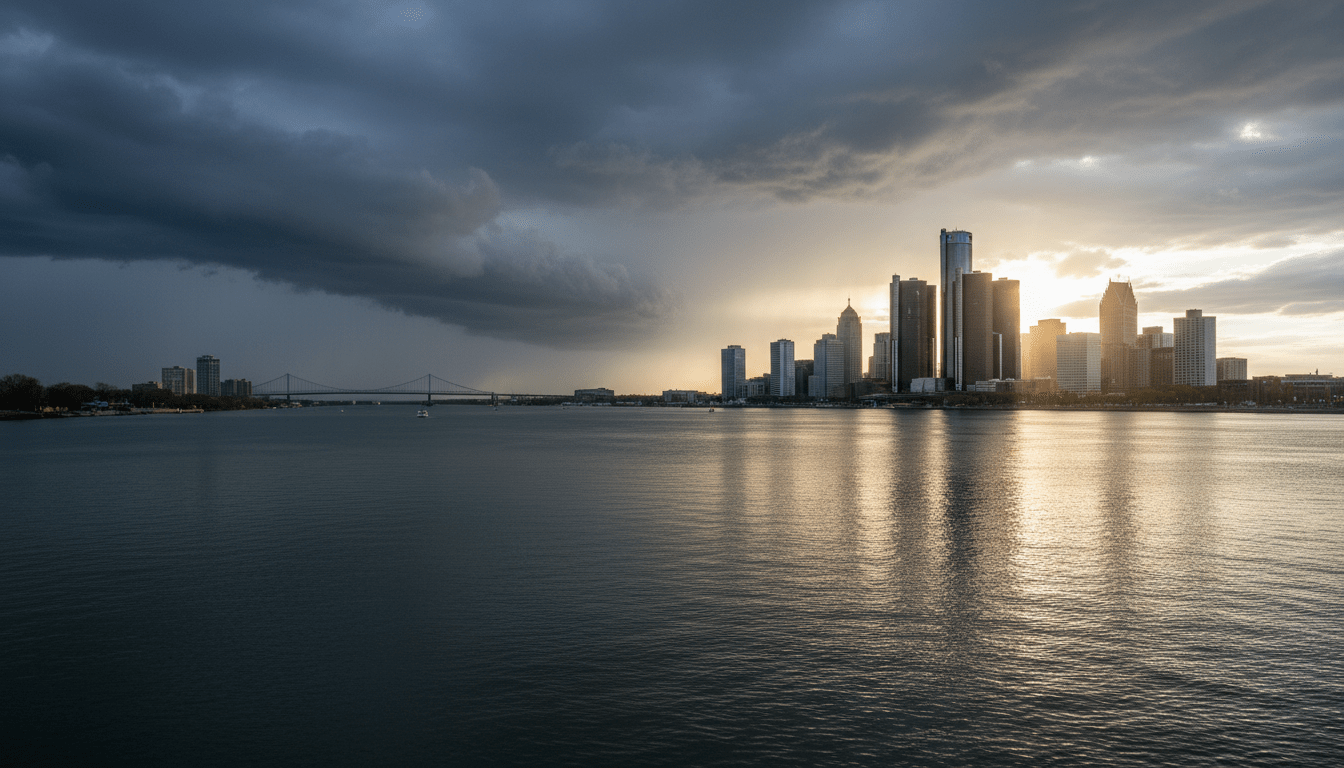
As the calendar turns to March, Detroit residents are bracing for what meteorologists often describe as the most volatile month of the year in the Great Lakes region. The transition from late winter to early spring in Michigan is rarely a smooth progression; instead, it is characterized by dramatic temperature swings, heavy precipitation, and sudden atmospheric shifts. This year, the Detroit weather outlook suggests a particularly complex pattern that could catch many off guard.
The Dynamics of the Michigan Forecast
According to the National Weather Service (NWS) Detroit/Pontiac office, March serves as a meteorological battleground where cold, dry Arctic air masses frequently collide with warm, moist air rising from the Gulf of Mexico. This collision is the primary driver for the unpredictable Michigan forecast that residents experience annually. Local meteorologists note that while February saw unseasonably warm spikes, the coming weeks are expected to fluctuate between late-winter freezes and early-spring thaws.
Data from the Great Lakes Integrated Sciences and Assessments (GLISA), a collaboration between the University of Michigan and Michigan State University, indicates that the frequency of these rapid transitions has been increasing over the last decade. Their research suggests that the Detroit climate is experiencing shorter periods of consistent ice cover on the Great Lakes, which in turn influences local moisture levels and cloud cover during the early spring months.
Impact on Detroit Residents and Infrastructure
The immediate concern for many in the city is the impact of these temperature fluctuations on local infrastructure. The “freeze-thaw cycle” is a significant contributor to the deterioration of city streets. When snow melts during a warm afternoon, water seeps into cracks in the pavement; when temperatures drop overnight, that water freezes and expands, causing the asphalt to break apart. This process is the primary cause of the “pothole season” that plagues the metro area every year.
The Detroit Department of Public Works (DPW) typically ramps up road repair efforts during this time. Residents are encouraged to monitor local Detroit infrastructure updates to stay informed about road closures and emergency repair schedules. Beyond the roads, the unpredictable spring weather also poses challenges for residential maintenance. Rapid melting of accumulated snow, combined with potential March rainstorms, can lead to basement flooding in older Detroit neighborhoods where drainage systems may be strained.
Health and Wellness During the Transition
Health officials also warn that the swinging temperatures can have a direct impact on public health. Sudden drops in temperature can exacerbate respiratory issues, while the early arrival of warmth can trigger premature pollen release. According to the Michigan Department of Health and Human Services, the “see-saw” effect of Detroit weather can lead to an increase in seasonal affective disorder symptoms as residents struggle with fluctuating daylight and gray, overcast skies. Information on local wellness resources can be found in our recent Detroit health advisory report.
A Detailed Look at the Weather Alert Potential
In terms of severe weather alert possibilities, March is a high-risk month for high-wind events. As pressure systems move rapidly across the plains and into the Great Lakes basin, Detroit can experience gusts exceeding 45 or 50 miles per hour. These winds often lead to power outages, as weakened tree limbs from winter ice storms finally give way. DTE Energy frequently monitors these patterns to preposition crews for rapid response.
Historical data from the National Weather Service shows that March is also capable of producing significant snowfall. While many hope for an early spring, some of the city’s largest historical snowstorms have occurred in the first three weeks of March. The lack of predictability means that Detroiters must keep both their snow shovels and their rain gear easily accessible.
What Happens Next: The Long-Range Outlook
Looking further into the month, climate models from the Climate Prediction Center suggest that the Great Lakes region may lean toward slightly above-average precipitation. For Detroiters, this likely means a mix of slushy snow and heavy rain. The “mud season” is expected to be particularly pronounced this year due to the lack of deep soil frost during the relatively mild intervals of January and February.
Urban gardeners and local farmers are also watching the Detroit climate trends closely. A premature warm spell followed by a hard frost—a common occurrence in Michigan—can be devastating for fruit trees and early spring perennials. Experts recommend waiting until at least late April or early May before committing to significant outdoor planting, despite any tempting warm days that March might offer.
Ultimately, the key for Detroit residents this month is flexibility. Staying tuned to real-time updates and being prepared for rapid changes in conditions will be essential for navigating the end of the winter season. Whether it is preparing for a sudden weather alert or adjusting daily commutes for road conditions, vigilance remains the best strategy for handling the Michigan spring.