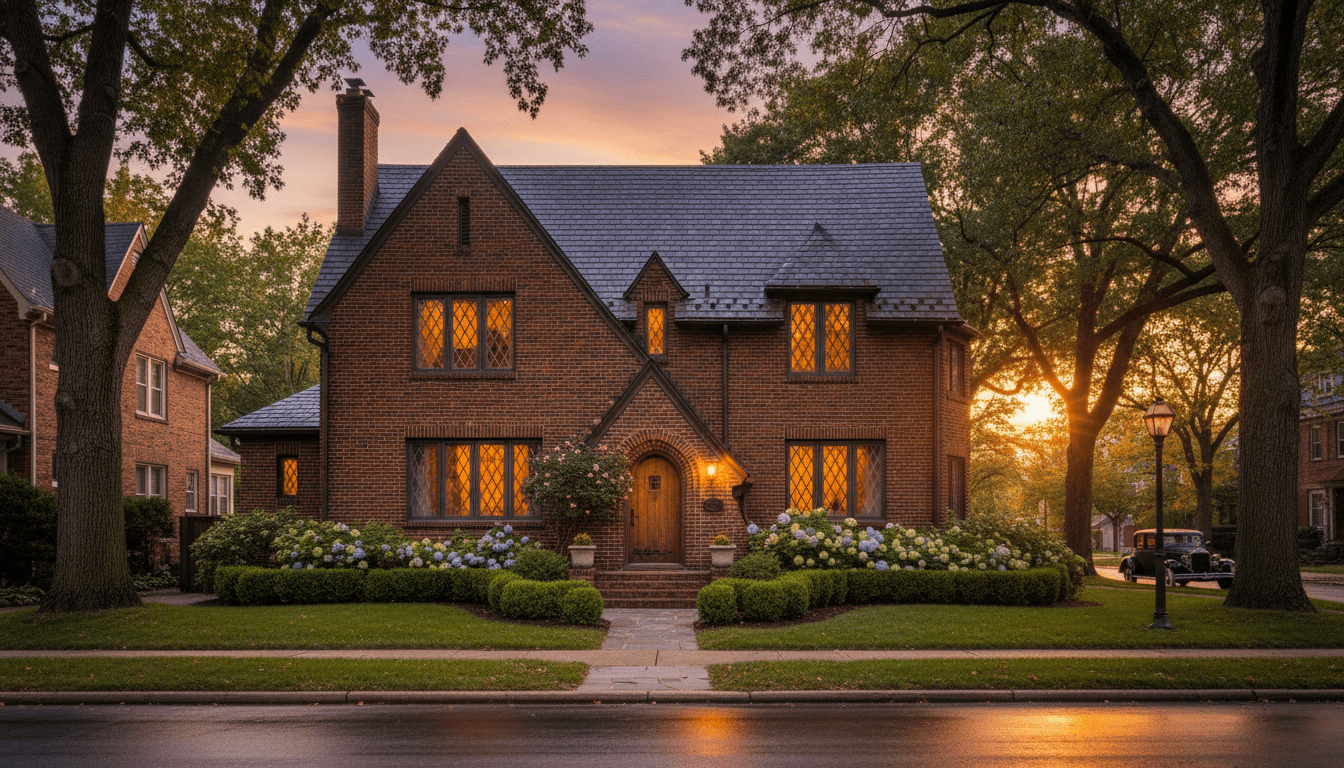
A century-old brick Tudor in one of Detroit’s historic neighborhoods has become the center of a national conversation after a local couple’s painstaking restoration project went viral across social media platforms. The project, which document’s the transformation of a nearly collapsed structure into a pristine example of early 20th-century craftsmanship, has amassed millions of views, bringing renewed attention to the ongoing Detroit renovation movement and the city’s architectural heritage.
The Viral Transformation of a Century-Old Gem
The home, located in a neighborhood historically known for its professional class residents during the 1920s, had sat vacant for over a decade before it was purchased. While many properties of this age are often demolished, this specific restoration project captured the public imagination because of its commitment to historical accuracy. From stripping layers of lead paint to reveal original mahogany woodwork to sourcing period-accurate roof tiles, the couple’s journey has resonated with urban homesteaders across the country.
As documented in their viral story, the renovation was not merely cosmetic. The project involved a complete overhaul of the mechanical systems, structural stabilization, and the delicate repair of leaded glass windows that are characteristic of Michigan homes from that era. According to data from the Detroit Land Bank Authority, properties like this represent a significant portion of the city’s inventory that requires specialized care to return to the tax rolls.
Impact on Detroit Residents and Neighborhood Stability
The visibility of this restoration project is more than just a social media trend; it has tangible implications for local residents. When high-profile renovations occur, they often trigger a ripple effect in property values. Neighborhood associations in the surrounding area have noted a sharp increase in interest from other potential buyers looking to invest in historic preservation rather than new construction.
For long-term Detroit residents, these projects represent a double-edged sword. While the removal of blight and the restoration of neighborhood character are widely welcomed, there are ongoing discussions regarding property tax assessments and the affordability of remaining historic stock. Local community leaders emphasize that while the viral nature of such stories helps attract investment, the city must balance this with protections for legacy residents who have maintained their homes through more difficult economic periods.
Data and Trends in the Detroit Renovation Market
The success of this Detroit renovation is supported by broader economic trends. According to the City of Detroit’s Planning and Development Department, there has been a 15% increase in building permits issued for historic district renovations over the past twenty-four months. This indicates a shift in the local Detroit housing market trends, where buyers are increasingly willing to take on the higher costs of restoration in exchange for the unique character of older structures.
Furthermore, data from the Michigan Realtors Association suggests that the median sale price for restored Michigan homes in historic districts has outpaced the general market growth in the metro area. This financial incentive, combined with the availability of federal and state historic tax credits, has made the prospect of a massive restoration project more viable for middle-class families than it was a decade ago. Potential investors are encouraged to visit the Detroit Land Bank Authority to view available properties and learn about the requirements for purchasing city-owned structures.
Navigating the Challenges of Historic Preservation
Restoring a 100-year-old home in Detroit is not without its hurdles. Because the property is located within a designated historic district, the couple had to work closely with the City of Detroit Historic District Commission (HDC). The HDC ensures that any exterior changes remain faithful to the original design, which can often increase the cost and timeline of a project.
Expert contractors familiar with the Detroit renovation landscape note that finding skilled tradespeople—such as plasterers and traditional masons—is one of the biggest challenges facing the industry today. The viral success of this project has also highlighted the need for vocational training in traditional building arts. Local non-profits are currently working to bridge this gap by offering workshops on historic window repair and masonry, ensuring that the skills needed to maintain 100-year-old homes are passed down to a new generation of Detroiters.
What Happens Next for Detroit’s Historic Neighborhoods
As the couple nears the final phases of their project, the impact of their viral story continues to grow. City officials are looking at ways to streamline the permit process for similar projects while maintaining the integrity of the city’s architectural history. There is also a push to expand the neighborhood development initiatives that provide grants for facade improvements in less-publicized areas of the city.
The story of this 100-year-old home is a testament to the resilience of Detroit’s built environment. It serves as a blueprint for how individual investment, coupled with historical appreciation, can revitalize a community. While the viral photos may provide a fleeting moment of internet fame, the physical restoration provides a permanent foundation for the neighborhood’s future. As more Michigan homes undergo similar transformations, the narrative of Detroit as a city of ruin continues to be replaced by one of meticulous and passionate reconstruction.