In the heart of Detroit’s evolving culinary landscape, a new movement is taking root—one that seeks to plate the city’s complex industrial history alongside modern gastronomic techniques. This week, a prominent Midtown Detroit restaurant unveiled a signature dish specifically designed to narrate the story of the city’s wartime manufacturing era, signaling a deeper trend of food innovation that prioritizes cultural storytelling over simple aesthetics.
The dish, titled the “Arsenal of Democracy Plate,” is more than a menu item; it is a meticulously researched tribute to the men and women who transformed the city during the early 1940s. According to historians at the Detroit Historical Society, this period was characterized by a massive influx of workers from across the country, a migration that fundamentally reshaped Detroit’s demographic and culinary identity. By incorporating ingredients that were staples in the lunchboxes of factory workers—such as slow-cured meats, hearty root vegetables, and fermented grains—the restaurant aims to connect contemporary diners with the grit and resilience of past generations.
The Intersection of Detroit Culture and Culinary Arts
This initiative comes at a time when the Detroit restaurant scene is garnering national attention for its ability to blend tradition with modern flair. Local culinary experts suggest that the success of the city’s food scene relies heavily on its authenticity. For many Detroiters, dining out is increasingly becoming an educational experience where the menu serves as a gateway to local history.
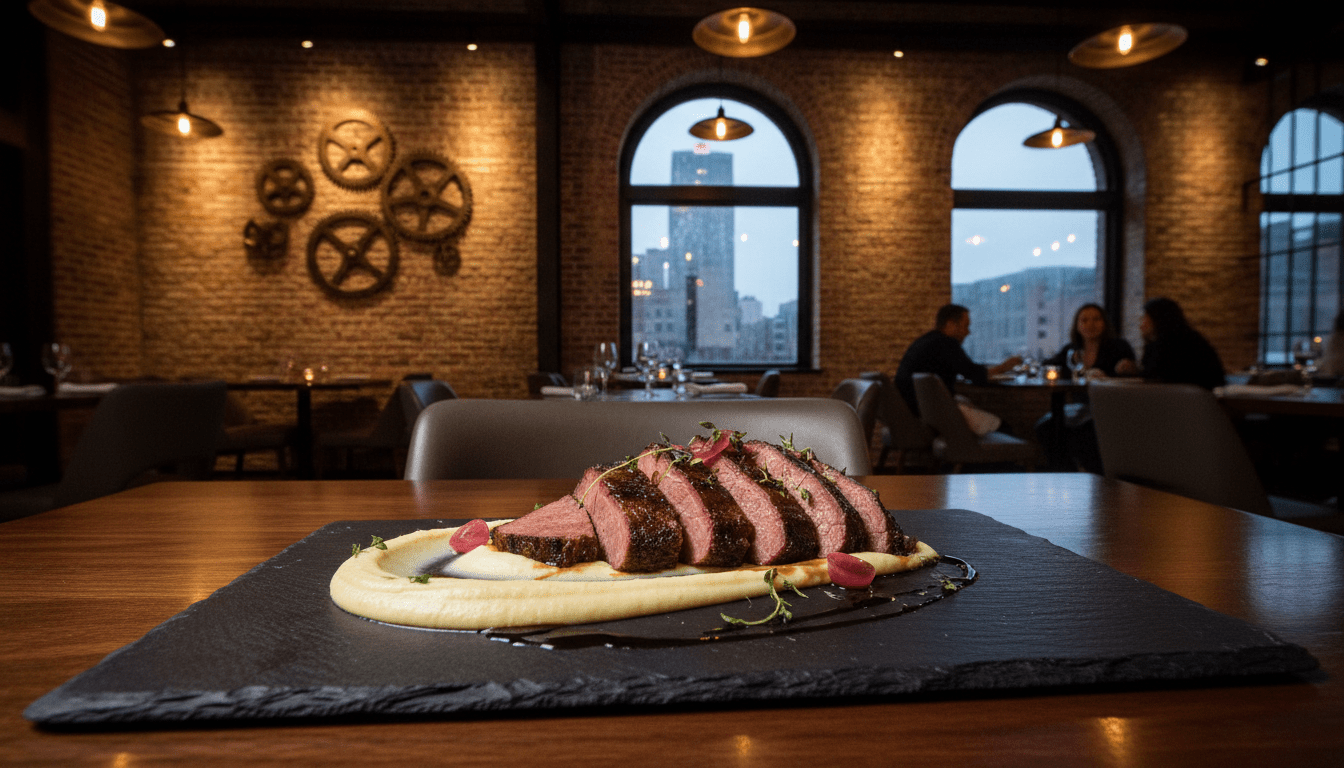
The “Arsenal of Democracy Plate” features a smoked brisket, glazed in a reduction made from local Michigan cherries and dark ale, served over a bed of parsnip puree. The choice of parsnips and cabbage reflects the victory gardens that were prevalent throughout Detroit neighborhoods during the war years. According to reports from the Michigan Economic Development Corporation (MEDC), the resurgence of interest in locally sourced, historically significant ingredients has provided a substantial boost to the regional agricultural supply chain, strengthening the bond between urban eateries and rural producers.
For those interested in how these economic shifts are affecting the city, our previous reporting on Detroit neighborhood development highlights the broader context of this revitalization. The hospitality sector has become a primary driver of foot traffic in areas that were previously overlooked by developers.
Impact on Detroit Residents and the Local Economy
The introduction of history-inspired cuisine has a tangible impact on the local community. Beyond offering a unique dining experience, these projects often involve collaborations with local archives and cultural institutions. This ensures that the narrative remains accurate and respectful of the city’s diverse heritage. For residents, this form of food innovation offers a sense of pride and a tangible connection to the stories of their ancestors.
Data from the U.S. Census Bureau and recent economic impact studies indicate that the hospitality industry in Michigan is seeing a steady recovery, with Detroit leading the way in small business growth. The rise of a specialized Detroit restaurant culture attracts tourism, which in turn generates tax revenue that can be reinvested into city infrastructure and public services. Local business owners in the Midtown area have noted that themed dining experiences tend to attract a more engaged clientele, leading to higher retention rates and stronger word-of-mouth marketing.
Furthermore, the focus on historical narratives encourages residents to explore their own city. By patronizing a Detroit restaurant that emphasizes local culture, diners are participating in a form of soft preservation, keeping the stories of the city’s industrial peak alive in the public consciousness.
Historical Background and Data-Driven Trends
The concept of using food to tell a story is backed by shifts in consumer behavior across the United States. According to the National Restaurant Association, modern consumers—particularly younger demographics—value “experience-based dining” over traditional service models. In Detroit, this translates to a demand for local cuisine that reflects the city’s unique identity.
The Detroit Historical Society notes that during the peak of the “Arsenal of Democracy,” the city’s population surged, bringing with it a variety of European and Southern culinary influences. This melting pot of flavors eventually became the foundation for what we now recognize as Michigan dining. The new dish pays homage to this by utilizing pickling techniques brought over by Eastern European immigrants and smoking methods synonymous with the Great Migration. For more information on historical preservation efforts, visit the official Detroit Historical Society website.
Additionally, the city has seen a rise in specialized support for culinary entrepreneurs. Programs focused on Detroit small business grants have enabled many chefs to take the financial risks necessary to innovate within the kitchen, allowing them to focus on high-quality ingredients and labor-intensive historical recipes.
What Happens Next for Food Innovation in Detroit
As the “Arsenal of Democracy Plate” gains popularity, other establishments are expected to follow suit, exploring different eras of Detroit’s history through their menus. From the fur-trading days of the 1700s to the Motown era of the 1960s, the potential for historical culinary exploration is vast. This trend is likely to solidify Detroit’s reputation as a top-tier food destination, distinct from other major American cities that may lack such a deeply rooted industrial identity.
The future of Michigan dining appears to be one of synthesis—where the old meets the new in a way that respects the past while embracing the future. As long as Detroit restaurant owners continue to prioritize authenticity and community engagement, the city’s food scene will remain a vital part of its cultural and economic fabric. Observers can expect more collaborations between the culinary world and historical organizations, ensuring that every meal served in the city has a story to tell.