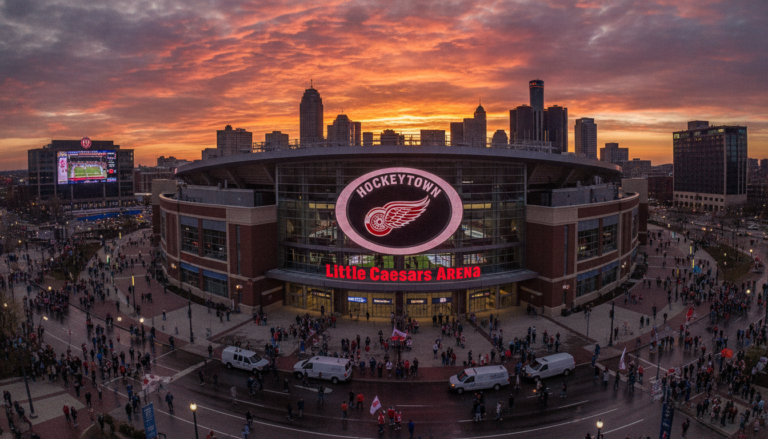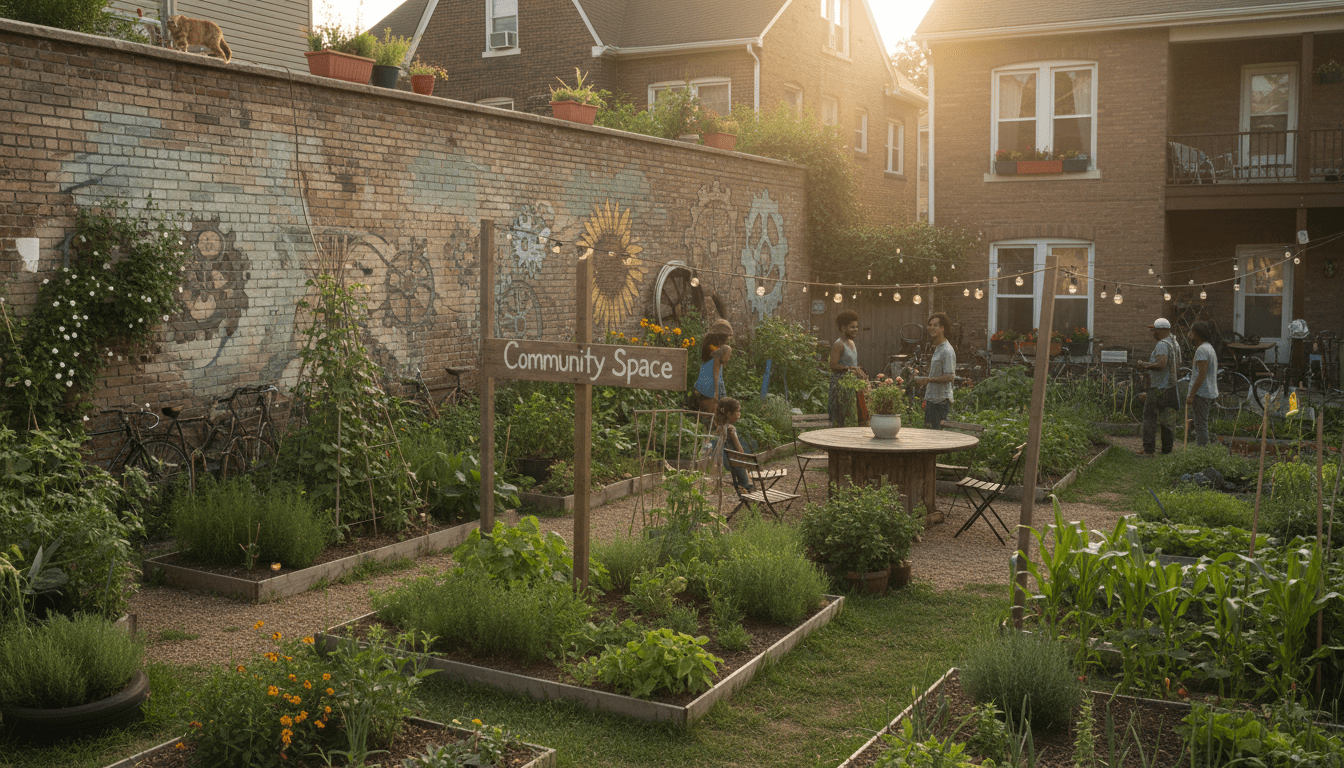
While the neon lights of the Belt and the bustling crowds of Campus Martius often define the city’s public image, a quieter transformation is taking place in the corners of Detroit’s neighborhoods. Detroit secrets—those tucked-away community gardens, unmarked social hubs, and repurposed industrial spaces—are becoming the backbone of a new kind of city exploration. These locations, often known only to long-term residents and local explorers, represent a shift in how the city is perceived both by those who live here and by those visiting from across the state.
For many residents, the value of these hidden places Detroit offers lies in their authenticity. Unlike the polished developments found in the city center, these spots often emerge organically from the needs of the community. From the North End to Jefferson Chalmers, the rise of these local favorites is providing a blueprint for sustainable neighborhood growth that prioritizes heritage over hype. This trend is increasingly catching the eye of urban planners who see these organic social hubs as essential to the city’s long-term social infrastructure.
The Rise of Neighborhood-Centric City Exploration
In recent years, the narrative of Detroit’s “comeback” has frequently focused on the high-rise developments of the central business district. However, a growing movement of residents is highlighting the importance of preserving and celebrating Detroit secrets that exist far beyond the reach of the QLine. These are the spaces where neighbors meet, local artists collaborate, and the history of the city is told through the architecture of former corner stores and converted residential garages.
According to the City of Detroit Planning and Development Department, there has been a concerted effort to integrate these local landmarks into broader neighborhood revitalization strategies. By recognizing the cultural value of these hidden places, the city aims to foster a sense of belonging that can often be lost in large-scale commercial development. This approach to city exploration focuses on the “15-minute neighborhood” concept, where residents can find all their essential social and commercial needs within a short walk or bike ride from their front door.
Impact on Detroit Residents
The impact of these hidden places Detroit locals frequent goes beyond mere aesthetics. They serve as vital economic engines for neighborhood-scale commerce. Small business owners in areas like Bagley and MorningSide have noted that foot traffic generated by local favorites—be it a hidden coffee window or a community-led art alley—often spills over into other nearby establishments. This creates a resilient local business ecosystem that is less dependent on tourism and more focused on community needs.
Furthermore, these spots offer a sense of stability. In a city that has seen rapid change over the last decade, these tucked-away locations provide a link to the past while looking toward the future. Residents have expressed that these spaces feel like “ours,” providing a sanctuary from the rapid gentrification that has impacted other parts of the urban core. This sense of ownership is crucial for long-term residency and community health, as it encourages locals to invest their time and resources back into their own blocks.
Background and Data on Urban Placemaking
Data from the U.S. Census Bureau and local organizations like Data Driven Detroit suggest that while population shifts continue to be a challenge, neighborhoods with strong social “anchors”—even unofficial ones—show higher levels of civic engagement. A report by the Detroit Free Press previously highlighted how informal gathering spaces contribute to lower crime rates and higher property value stability by increasing “eyes on the street” and fostering neighborly communication.
These neighborhood investment strategies are not just about planting trees or painting murals; they are about recognizing the existing social fabric. In Michigan travel circles, there is a growing interest in “sustainable tourism” that encourages visitors to engage with the city respectfully. Rather than just visiting the major stadiums, travelers are seeking out Detroit secrets that offer a more nuanced view of the city’s complex identity. This shift supports the local economy in neighborhoods that have historically been overlooked by the traditional hospitality industry.
The Role of Community Stewards
The survival of these hidden places Detroit residents cherish is often due to the tireless work of community stewards. These are the individuals who maintain pocket parks on vacant lots or run pop-up markets in their own driveways. Local organizations have found that these grassroots efforts are often more effective at creating a sense of place than top-down government mandates. By empowering residents to curate their own environments, the city is seeing a renaissance of unique, hyper-local culture.
Urban researchers point out that these local favorites often serve as “third places”—spaces that are neither work nor home, but are essential for the social well-being of a population. In Detroit, these third places are frequently found in the most unexpected locations, such as a backyard theater in the West Village or a shared tool library in Southwest Detroit. These sites are the physical manifestations of the city’s resilient spirit and its penchant for innovation in the face of adversity.
What Happens Next
Looking forward, the challenge for the city will be to protect these Detroit secrets from being victims of their own success. As more people engage in city exploration and discover these hidden gems, there is a risk that the very qualities that make them special—privacy, affordability, and community focus—could be compromised. Advocates are calling for zoning protections and community land trusts to ensure that these local favorites remain accessible to the people who built them.
The future of Michigan travel and local Detroit life appears to be converging on a shared desire for authenticity. As long as residents continue to champion their own neighborhoods and the city continues to support small-scale development, the hidden map of Detroit will continue to expand. These spots are no longer just secrets; they are the foundation of a more inclusive and vibrant city for everyone.