With the calendar turning toward 2026, the City of Detroit is accelerating its infrastructure and hospitality preparations to accommodate what economists predict will be one of the busiest spring seasons in the city’s modern history. Following the record-breaking success of the 2024 NFL Draft, city officials and development partners are leveraging a new wave of Detroit spring events 2026 to solidify the region’s status as a premier international destination.
The Economic Engine of Detroit Spring Events 2026
Data from Visit Detroit, the city’s official convention and visitors bureau, indicates that hotel bookings for March and April 2026 are already outpacing historical averages. This surge is attributed to a strategic alignment of international sporting events, the opening of major riverfront developments, and a revitalized schedule of spring festivals Detroit has curated to keep visitors in the city longer.
According to the Detroit Economic Growth Corporation (DEGC), the economic spillover from spring tourism is expected to exceed $250 million. “We are seeing a maturation of the investments made over the last decade,” a DEGC representative noted in a recent planning session. “The goal for 2026 is to ensure that the economic benefits of these Detroit March events and April gatherings extend beyond the downtown core and into the surrounding neighborhoods.”
New Infrastructure to Debut for Detroit April Events
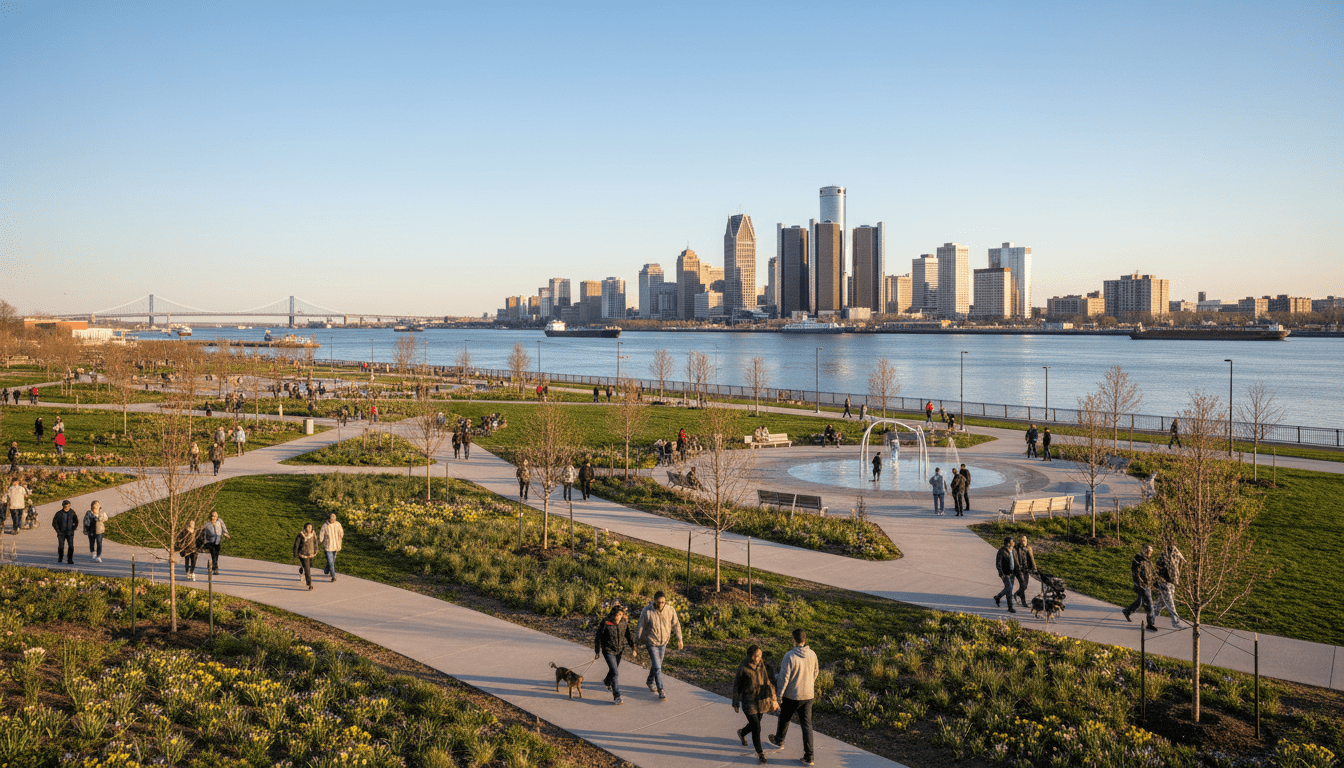
A central pillar of the 2026 spring strategy is the grand opening of the Ralph C. Wilson Jr. Centennial Park on the West Riverfront. Managed by the Detroit Riverfront Conservancy, the 22-acre site is scheduled to host its inaugural public ceremonies in early April 2026. This park is expected to become the primary hub for things to do Detroit spring, featuring a large-scale water playground, a world-class basketball cove, and expansive lawn spaces for outdoor concerts.
City planners are also prioritizing transit connectivity. The Detroit Department of Transportation (DDOT) has announced a pilot program for the 2026 season that will increase the frequency of the “QLine” and city bus routes during peak festival weekends. This initiative aims to reduce congestion as thousands of visitors arrive for Detroit April events, including the opening weeks of the Detroit Tigers season at Comerica Park and the influx of attendees for various tech and automotive conferences scheduled at Huntington Place.
Impact on Detroit Residents and Local Businesses
For long-time Detroit residents, the scaling up of spring activities presents both opportunities and challenges. The surge in Detroit spring events 2026 is projected to create over 2,500 temporary and permanent jobs in the hospitality, security, and maintenance sectors. Small business owners in the District Detroit and Corktown areas are already preparing for increased foot traffic by expanding outdoor seating and diversifying their service hours.
Local neighborhood organizations have been working closely with the city to ensure that the high volume of Detroit March events does not lead to displacement or excessive noise pollution. For more information on how the city is balancing growth with community needs, readers can explore our previous coverage on Detroit neighborhood development and its impact on local housing costs.
“The vitality of the city during the spring is a point of pride,” said a local business owner in the Eastern Market district. “But the infrastructure—specifically parking and public sanitation—must keep pace with the number of tourists we are expecting in April.”
Background and Tourism Trends
Research conducted by the University of Michigan’s economic forecasting team suggests that Detroit’s tourism model is shifting toward “experiential travel.” Visitors are no longer just coming for a single game or show; they are seeking multi-day itineraries that include spring festivals Detroit and historical tours. This trend is visible in the growing demand for short-term rentals and boutique hotels, such as the newly renovated properties in the Brush Park area.
The 2026 projections also reflect a 15% increase in international visitors compared to 2024. Much of this growth is attributed to improved flight connectivity at Detroit Metropolitan Airport (DTW) and a global marketing campaign by the Michigan Economic Development Corporation (MEDC) focusing on the Great Lakes lifestyle. Updates on transportation logistics can be found in our report on Detroit transit infrastructure.
What Happens Next: Planning for the Future
As the city enters the final planning phases for the 2026 season, the focus remains on execution and sustainability. The Mayor’s Office is expected to release a comprehensive “Spring 2026 Action Plan” by late 2025, detailing final street closure schedules, security protocols, and a centralized digital platform for things to do Detroit spring visitors.
Environmental sustainability is also on the agenda. The city plans to implement a “Zero-Waste” initiative for all major spring festivals Detroit hosts in 2026, requiring vendors to use compostable materials and providing mobile recycling stations throughout the downtown area. With the eyes of the region on the Motor City, the 2026 spring season is poised to be a defining moment in Detroit’s ongoing urban renaissance.