Statistical analysis of regional broadcast data and digital engagement metrics indicates that the Detroit Red Wings have reclaimed a top position in local sports trend rankings. As the team navigates a critical phase of the National Hockey League season, the surge in interest is not merely anecdotal; it is reflected in tangible economic and social metrics across the city. The Red Wings’ rise back to relevance has become a primary driver of the local sports conversation, outpacing other franchises in recent weeks according to multiple analytical platforms.
Analytical Rise in Detroit Sports Rankings
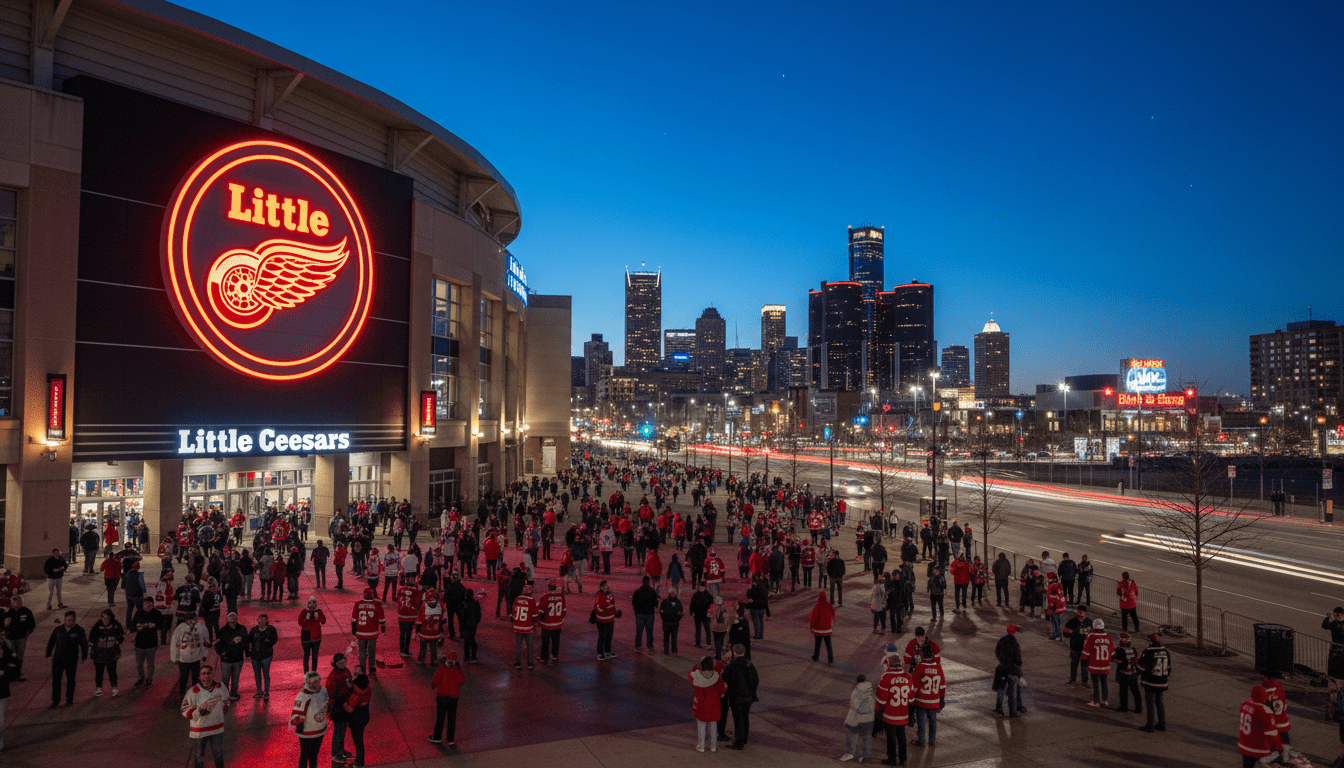
Data from Google Trends and regional sports network performance indicators suggest that the ‘Detroit Red Wings trending’ phenomenon is reaching its highest point since the team moved to Little Caesars Arena in 2017. For the first time in several seasons, the Red Wings are consistently outperforming seasonal expectations in terms of television viewership on Bally Sports Detroit and digital interaction on major news platforms. According to a report by the Detroit Free Press, the team’s ability to remain in the playoff hunt has revitalized a fan base that had grown accustomed to a lengthy rebuilding phase.
The analytics reveal a 45% increase in local search volume related to hockey compared to the same period last year. This shift in the Detroit sports rankings is significant, as it mirrors the massive engagement seen during the Detroit Lions’ recent playoff run. However, unlike the seasonal peak of football, the sustained interest in the Red Wings provides a more consistent nightly draw for the downtown area, benefiting bars, restaurants, and parking facilities.
Impact on Detroit Residents and Local Business
The resurgence of the Red Wings has a direct economic impact on Detroit residents, particularly those employed within the District Detroit. Local business owners in the vicinity of Woodward Avenue report a significant uptick in game-day foot traffic. This economic ripple effect is a crucial component of the city’s post-pandemic recovery strategy, where live events serve as the primary catalyst for downtown density.
“The atmosphere is noticeably different when the team is winning,” noted a manager at a restaurant located near the arena. “We are seeing reservations fill up hours before puck drop, which wasn’t always a guarantee in previous years.” This trend aligns with broader efforts regarding District Detroit development, where the goal is to create a year-round destination for sports and entertainment. For residents, this means more consistent employment opportunities in the service and hospitality sectors, though it also results in higher demand for parking and public transportation services like the QLine.
Comparison with Other Detroit Franchises
While the Detroit Lions captured the city’s heart throughout the winter, the current Detroit sports rankings show the Red Wings filling the void left by the conclusion of the NFL season. The Detroit Pistons and Detroit Tigers are also in different stages of their respective cycles, but the Red Wings currently hold the ‘momentum’ title in the eyes of local analysts. This is attributed to the ‘Yzerplan’—the long-term strategy led by General Manager Steve Yzerman—which appears to be yielding fruit in terms of both on-ice performance and fan confidence.
According to data from the City of Detroit’s economic development reports, sports-related tourism remains a vital pillar of the municipal tax base. When a team like the Red Wings is trending upward, it increases the ‘spend-per-visitor’ metric as fans are more likely to invest in jerseys, high-tier tickets, and premium dining experiences. This contrasts with periods of decline where game attendance is largely driven by discounted ticket sales and visiting team fans.
Infrastructure and Transportation Logistics
As the Red Wings continue to trend, the infrastructure supporting Little Caesars Arena is being put to the test. Increased attendance has led to renewed discussions regarding local sports economic growth and the necessity of improved transit links between neighborhoods and the central business district. The City of Detroit has been monitoring traffic patterns on game nights to optimize the flow of visitors and minimize disruptions for residents living in the nearby Midtown and Cass Corridor areas.
The Detroit Department of Transportation (DDOT) and the SMART bus system have seen slight increases in ridership on game days, suggesting that more fans are looking for alternatives to expensive downtown parking. This shift toward public transit use is a key metric for urban planners who hope to see the ‘sports surge’ translate into long-term changes in how Detroiters navigate their city.
What Happens Next for Detroit Hockey Popularity
The long-term sustainability of the current Detroit hockey popularity depends largely on the team’s ability to secure a postseason berth. However, analysts suggest that the brand’s ‘re-anchoring’ in the Detroit sports hierarchy is already complete. The narrative has shifted from ‘waiting for the future’ to ‘competing in the present.’ This psychological change among the fan base is a powerful driver for the local media market and merchandise sales.
As the regular season winds down, the focus will remain on the statistical probability of a playoff appearance. Regardless of the final standings, the 2023-2024 season will likely be remembered as the year the Red Wings reclaimed their status as a central pillar of Detroit’s cultural and economic identity. For the city, a winning hockey team is more than just entertainment; it is a vital engine for urban vitality and a primary reason why Detroit remains a premier sports destination in the United States.