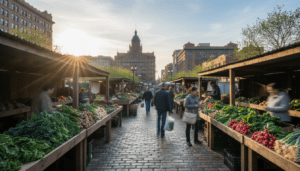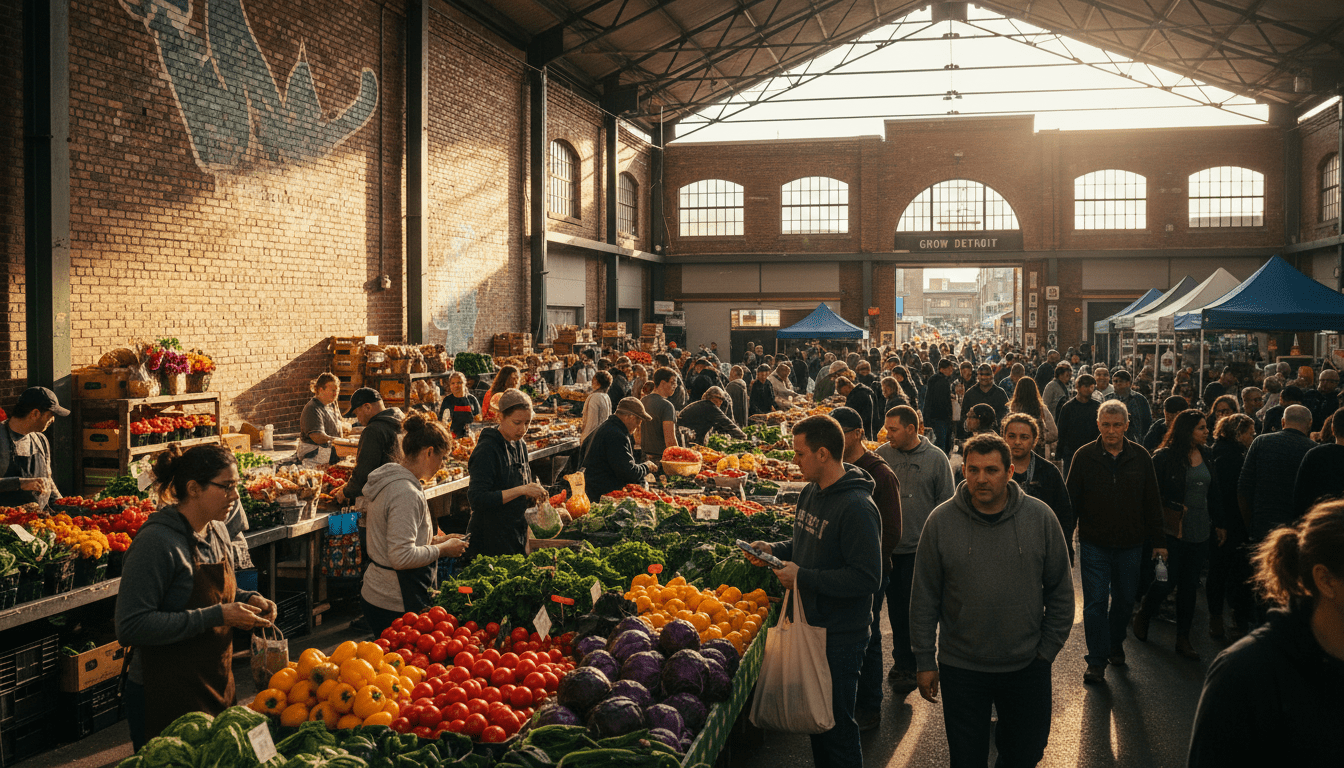
The traditional ringing of the bell at Eastern Market serves as more than just a signal for the start of commerce; it marks the heartbeat of an economic and social ecosystem that has sustained Detroit for over 130 years. As the 2024 season progresses, the network of Detroit farmers markets is undergoing a significant transformation, shifting from simple weekend destinations to essential infrastructure for the city’s food security and neighborhood revitalization efforts.
The Economic Engine of Eastern Market
At the center of this movement is Eastern Market, one of the oldest and largest year-round public markets in the United States. According to the Eastern Market Partnership, the district manages a complex dual role: acting as a massive retail hub for local produce while simultaneously serving as a wholesale regional food distribution center. Recent data from the partnership indicates that the market district supports more than 1,500 jobs and generates an estimated $360 million in annual economic impact for the city.
However, the focus is increasingly shifting toward the “Eastern Market 2025” strategy, a long-term development plan designed to preserve the district’s authentic character while expanding its capacity for food processing and storage. This initiative aims to keep the food industry centered within the city limits, preventing the displacement of small-scale producers to the suburbs. Local business owners in the district have noted that the expansion of cold storage facilities has been vital for maintaining the supply chain for Detroit local produce during the off-season.
Expanding the Reach: Detroit Community Markets
While Eastern Market remains the flagship, a robust network of neighborhood-based Detroit farmers markets is filling critical gaps in food access across the city’s 139 square miles. Organizations like the Detroit Food Policy Council and the Detroit Community Markets (DCM) network facilitate local hubs such as the Northwest Detroit Farmers’ Market and the Hope Village Farmers Market.
These smaller venues are often the primary source of fresh nutrition in areas that lack full-service grocery stores. Reporting from the Detroit Food Policy Council emphasizes that these markets are strategically located to serve high-density residential areas, reducing the transportation barriers that many residents face when trying to purchase healthy food. This localized approach is a key component of Detroit’s neighborhood development strategy, which seeks to create walkable, self-sustaining communities.
Impact on Detroit Residents
The impact of Detroit farmers markets on the local population is most visible through the integration of food assistance programs. Michigan’s “Double Up Food Bucks” program, which matches SNAP (Supplemental Nutrition Assistance Program) spending on locally grown fruits and vegetables, has seen significant participation at city markets. This program effectively doubles the purchasing power of low-income residents while ensuring that those federal dollars stay within the local agricultural economy.
For residents, these markets offer more than just groceries. They serve as public squares where community health screenings, cooking demonstrations, and local entrepreneurship collide. Data from the U.S. Department of Agriculture (USDA) suggests that urban environments with active farmers markets see a measurable improvement in community health outcomes. In Detroit, where heart disease and diabetes rates remain above the national average, the availability of fresh, affordable produce is a matter of public health necessity.
The Role of Local Produce in Urban Agriculture
The surge in Detroit local produce is fueled by the city’s unique urban agriculture landscape. With thousands of vacant lots converted into productive gardens and small farms, Detroit has become a national model for urban farming. According to Keep Growing Detroit, a nonprofit supporting the city’s growers, there are over 1,400 gardens and farms currently operating within the city limits.
Many of these growers rely on Detroit farmers markets to sell their yields directly to consumers, bypassing the hurdles of traditional retail distribution. This direct-to-consumer model allows farmers to retain a higher percentage of their earnings, which is often reinvested back into the neighborhood. This cycle of production and consumption is a cornerstone of the city’s efforts to build a more resilient local food system that is less dependent on national supply chains.
What Happens Next
Looking ahead, the city is exploring ways to further institutionalize the support for Detroit farmers markets. Discussions within the Detroit City Council have touched upon zoning changes that would make it easier for temporary markets to operate in underserved parks and vacant spaces. Furthermore, the Eastern Market Partnership is continuing its fundraising efforts for the expansion of Shed 4, which is expected to provide more year-round space for vendors and community events.
As Detroit continues to navigate its economic recovery, the strength of its food markets will remain a key indicator of the city’s overall health. By bridging the gap between local growers and urban consumers, these markets are doing more than selling food; they are cultivating a more equitable and sustainable future for all Detroiters. For more information on local initiatives, residents are encouraged to view the latest Detroit local business news to see how small vendors are scaling their operations.