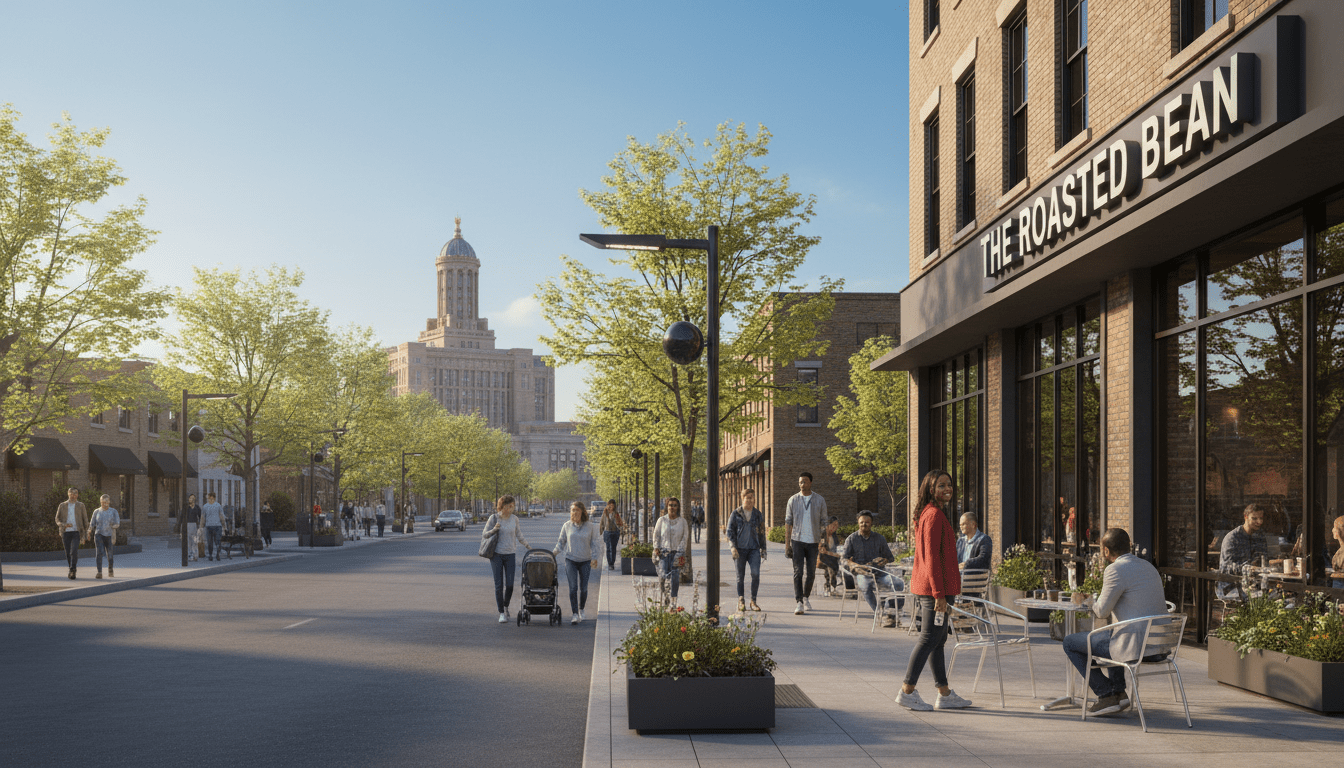
As the city of Detroit prepares for the seasonal transition into spring 2026, a series of long-term urban development initiatives are reaching completion, signaling a transformative era for the city’s residential and commercial corridors. According to the City of Detroit’s Planning and Development Department, the Strategic Neighborhood Fund (SNF) has entered its final phase for several key districts, aiming to enhance walkability, park access, and local entrepreneurship within ten specific neighborhoods. This synchronized revitalization effort represents one of the most significant shifts in the city’s geographical economic landscape since the mid-20th century.
The Evolution of Neighborhood Investment
For decades, Detroit’s economic narrative focused heavily on the revitalization of the Greater Downtown area. However, the current trajectory reflects a broader commitment to the outlying residential zones. Data from the Detroit Economic Growth Corporation (DEGC) indicates that investment in neighborhood-level commercial real estate has seen a 14% increase year-over-year. This growth is largely attributed to the expansion of the Motor City Match program, which has prioritized brick-and-mortar businesses in historically underserved areas.
City officials have identified ten priority zones—including the Livernois-McNichols corridor, Jefferson-Chalmers, and Southwest Detroit—that are expected to see the highest levels of foot traffic and economic activity this spring. These areas have been the beneficiaries of targeted infrastructure improvements, such as the installation of new streetscapes and the renovation of public plazas that serve as community hubs.
Impact on Detroit Residents
The acceleration of Detroit neighborhood development has created a complex environment for long-term residents. On one hand, the arrival of new grocery stores and health clinics provides essential services that were previously scarce. On the other, the rise in property values has sparked a conversation regarding housing affordability and the potential for displacement. The Detroit Housing and Revitalization Department has responded by increasing the number of preserved affordable housing units within these high-growth corridors.
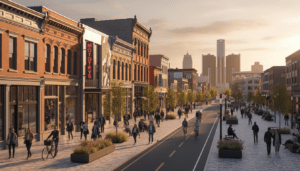
Local business owners in the Live6 district have expressed optimism about the upcoming season. According to several entrepreneurs on the Avenue of Fashion, the increased pedestrian infrastructure has already led to a noticeable uptick in weekend sales. The focus on “neighborhood-scale” development means that rather than massive skyscrapers, the investment is manifesting as renovated storefronts and safer, well-lit sidewalks, which directly benefits the daily lives of residents.
Strategic Development and Connectivity
A major component of the Spring 2026 outlook is the integration of public transportation and non-motorized transit. The Joe Louis Greenway, a planned 27.5-mile loop around the city, has opened several new sections that connect neighborhoods like the North End to the revitalized riverfront. This connectivity is designed to reduce the reliance on personal vehicles while encouraging exploration of the city’s diverse cultural enclaves.
According to research from the University of Michigan’s Detroit Metro Area Communities Study, residents are increasingly valuing access to green spaces and transit connectivity. The study suggests that the neighborhoods seeing the most significant demographic stabilization are those where the city has successfully integrated mixed-use residential developments with existing public parks. For more information on city-wide planning initiatives, residents are encouraged to visit the official City of Detroit Planning Department website.
Economic Resilience and Housing Trends
Recent reports from the U.S. Census Bureau and local real estate analysts indicate that Detroit’s housing market is stabilizing after several years of volatility. While the suburbs once dominated regional growth, the focus has shifted back to the city’s historic neighborhoods. Areas like Bagely and Grandmont Rosedale have seen a steady influx of first-time homebuyers attracted by the architectural integrity of the homes and the strengthened local business districts. The city’s efforts to combat blight through the Land Bank Authority have also played a role in making more properties available for renovation and occupancy.
Internal reports from DetroitCityNews.com have previously detailed how these shifts are part of a broader ten-year plan to revitalize the city’s tax base. By fostering a sense of place in neighborhoods outside the downtown core, city leaders hope to create a more resilient economic foundation that can withstand national market fluctuations.
Looking Ahead: The Road to 2027
As the spring thaw approaches, the City of Detroit is expected to announce the next round of SNF funding. This will likely focus on secondary corridors that have not yet seen the same level of intensive investment as the primary ten zones highlighted this year. The objective remains clear: to ensure that the recovery of Detroit is not localized to a few blocks, but is felt across every ZIP code in the city limits.
Community leaders stress that the success of these developments will be measured not just by the number of new businesses, but by the retention of the families and individuals who have called these neighborhoods home for decades. Ongoing coverage of these urban transitions can be found at DetroitCityNews.com, as we continue to track the socio-economic evolution of our city.