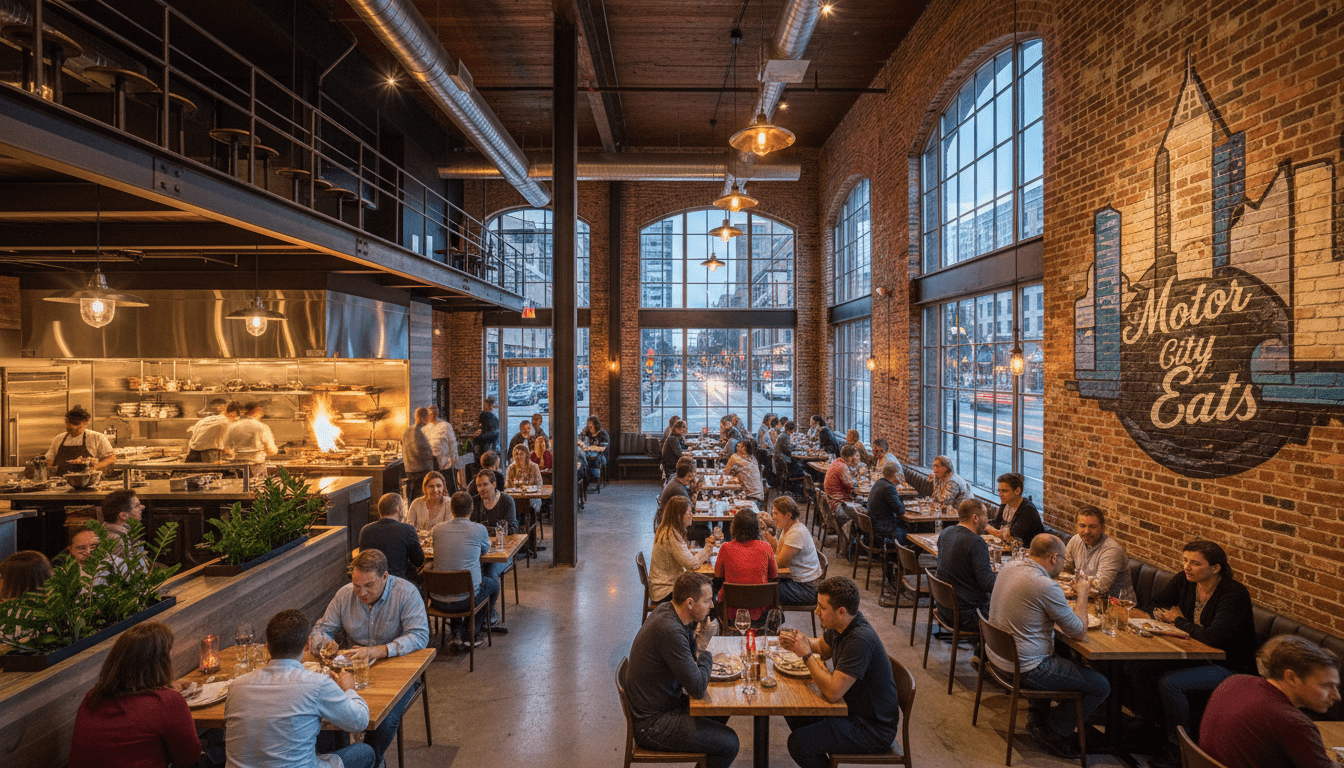
The Detroit food scene has long been characterized by its resilience and its ability to reinvent itself in the face of economic adversity. However, in 2024, the narrative is shifting from one of recovery to one of maturation. As the city enters a new phase of urban development, the current Detroit restaurant trends indicate a move away from the centralized luxury dining of the previous decade and toward a more decentralized, neighborhood-focused model. This evolution is being driven by a combination of rising operational costs, shifting consumer preferences, and a concerted effort by local organizations to foster entrepreneurship in historically underserved areas.
The Rise of Neighborhood-Centric Dining
For several years, the bulk of Detroit’s culinary investment was concentrated in the downtown and Midtown corridors. While these areas remain vital hubs, data from the Detroit Economic Growth Corporation (DEGC) suggests a significant uptick in commercial ribbon developments in outer neighborhoods. Programs such as Motor City Match have been instrumental in this shift, providing the necessary capital for local chefs to open brick-and-mortar locations in areas like the Livernois Avenue of Fashion, the North End, and Southwest Detroit. This decentralization is a key component of modern Detroit restaurant trends, as residents increasingly seek high-quality dining options within walking distance of their homes.
Local business owners note that the neighborhood model offers a different kind of stability compared to the tourist-heavy downtown market. Establishments in residential neighborhoods often benefit from a loyal base of repeat customers, which can buffer against the seasonality of the city’s event-based economy. Furthermore, as Detroit neighborhood development continues to attract new residents, the demand for diverse culinary concepts—ranging from upscale vegan eateries to traditional smokehouses—continues to grow, creating a more robust and varied food ecosystem.
Economic Pressures and the Pivot to Efficiency
Despite the growth, the industry faces significant headwinds. According to reports from the Michigan Restaurant and Lodging Association (MRLA), the industry is currently navigating a complex landscape of labor shortages and inflationary pressures on food costs. This has led to a noticeable shift in how new restaurants are designed and operated. One of the most prominent Detroit restaurant trends in the current economic climate is the rise of the ‘elevated casual’ concept. These establishments offer the quality of fine dining but with reduced service overhead, often utilizing counter service or digital ordering systems to manage labor costs more effectively.
Data from the U.S. Bureau of Labor Statistics indicates that the Consumer Price Index for food away from home has remained elevated, forcing Detroit restaurateurs to be more creative with their menu engineering. Many have turned to hyper-local sourcing, not just as a marketing tool, but as a way to mitigate the volatility of global supply chains. By partnering with urban farms within the city limits, restaurants are able to secure fresh produce while supporting the local agricultural economy, a trend that aligns with the city’s broader sustainability goals.
Impact on Detroit Residents
The evolution of the Detroit food scene has profound implications for local residents. On one hand, the proliferation of new restaurants creates significant employment opportunities. The hospitality sector remains one of the largest employers in the city, providing entry-level positions and pathways to management for thousands of Detroiters. However, the rise of high-end dining also brings concerns regarding gentrification and affordability. As new restaurants open, property values in the surrounding areas often increase, which can lead to rising commercial rents for long-standing legacy businesses.
To address these concerns, the City of Detroit has implemented various initiatives aimed at preserving the cultural heritage of neighborhood dining. According to city officials, the goal is to ensure that local business growth remains inclusive. This includes providing technical assistance to legacy business owners to help them adapt to modern market demands without losing their unique identity. For residents, the benefit of these Detroit restaurant trends is twofold: increased access to diverse food options and the revitalization of commercial corridors that were once vacant, contributing to safer and more vibrant community spaces.
Background and Data: The Statistical Reality
A closer look at the statistics reveals the scale of the transformation. In the last fiscal year, the City of Detroit issued hundreds of new business licenses for food-related establishments, a steady increase from the previous three years. While the failure rate for restaurants remains high nationally, Detroit’s specialized support systems, including incubator kitchens and small business grants, have helped local startups achieve a higher-than-average survival rate during their first two years of operation. Furthermore, the shift toward a more diverse ownership base is evident. Data from regional business surveys indicates that minority-owned and women-owned restaurants are the fastest-growing segment of the Detroit food scene, reflecting the city’s demographic makeup more accurately than in previous decades.
The influence of technology cannot be understated in these Detroit restaurant trends. The adoption of third-party delivery platforms and sophisticated point-of-sale data analytics has allowed even small neighborhood spots to optimize their inventory and marketing. This data-driven approach is helping to bridge the gap between small-scale passion projects and sustainable business models, ensuring that the current culinary boom has lasting power.
What Happens Next
Looking ahead to 2025, the Detroit dining landscape is expected to continue its outward expansion. Observers anticipate that the next wave of development will focus on the ‘middle neighborhoods’—areas that have seen less direct investment but possess strong residential density. Additionally, the integration of mixed-use developments, which combine residential units with ground-floor restaurant space, will likely become the standard for new construction projects across the city. As the city prepares for major national events, such as future sporting championships and conventions, the pressure will be on the hospitality industry to maintain its momentum while navigating a shifting regulatory environment regarding labor and wages.
Ultimately, the success of Detroit restaurant trends will depend on the ability of the city and its business owners to balance innovation with accessibility. As long as the community remains central to the culinary narrative, Detroit is poised to remain one of the most exciting and dynamic food destinations in the Midwest. The transition from a ‘comeback’ city to a mature metropolitan market is well underway, and the kitchen remains at the heart of that progress.