Detroit’s long-standing reputation as the global epicenter of the automotive industry is undergoing a profound transformation as the city pivots toward a high-growth digital economy. Recent developments and strategic investments suggest that the narrative of the ‘Motor City’ is expanding to include a burgeoning identity as a Midwestern technology hub. This evolution, often referred to as the ‘Detroit tech job growth’ trend, is not merely a rebranding effort but a fundamental shift in the city’s economic foundation, aimed at creating sustainable, high-paying employment opportunities for a diverse workforce.
The Catalyst: Michigan Central and Corktown Innovation
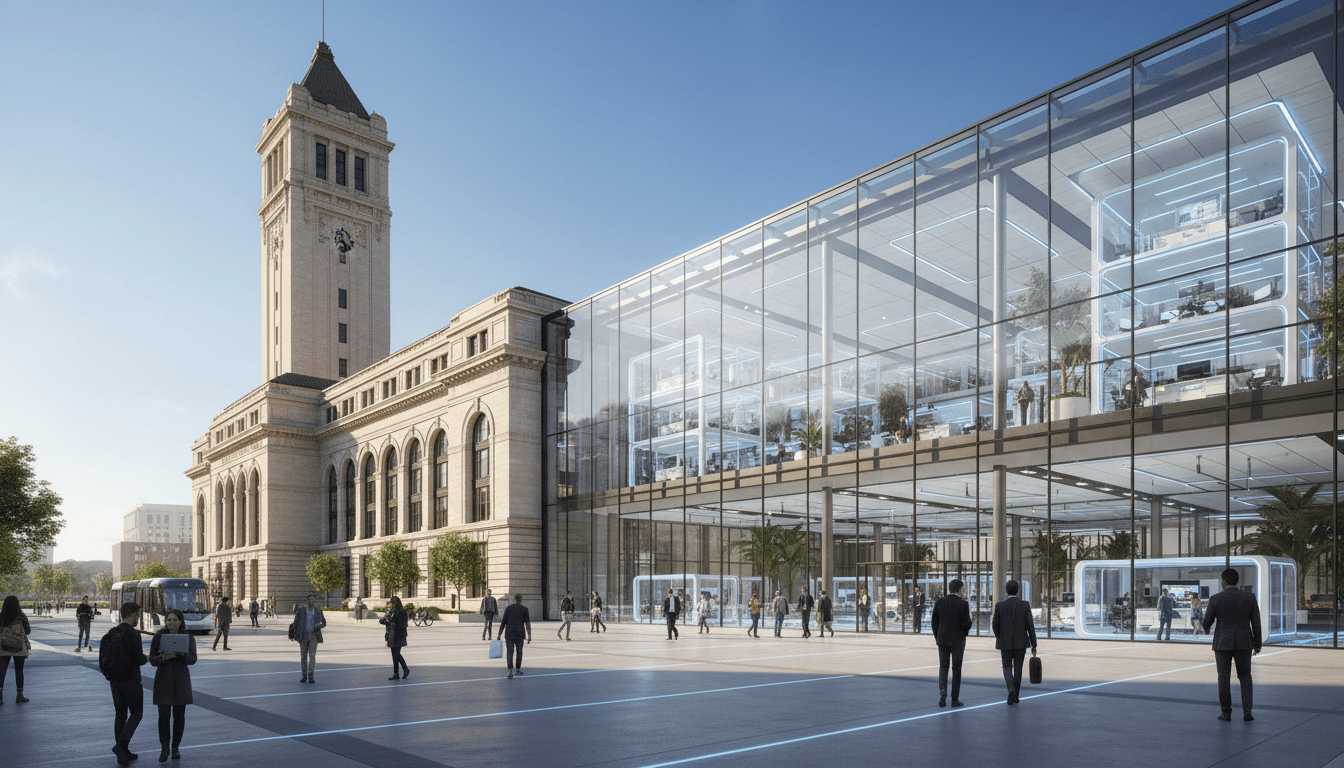
At the heart of this economic shift is the massive $950 million investment by Ford Motor Company into the Michigan Central innovation district in the Corktown neighborhood. The restoration of the iconic train station serves as the centerpiece for a 30-acre campus designed to foster collaboration between startups, venture capitalists, and established tech giants. According to statements from the City of Detroit Mayor’s Office, the district is projected to support thousands of new jobs in the coming years, specifically focusing on mobility, software engineering, and clean energy solutions. This innovation district acts as a physical manifestation of the city’s commitment to tech-driven growth.
The impact of Michigan Central extends beyond physical architecture. It has attracted global partners such as Google and Newlab, the latter of which provides a home for hundreds of entrepreneurs working on hardware and software solutions. Officials from the Michigan Economic Development Corporation (MEDC) have noted that this density of talent is essential for creating a ‘tech ecosystem’ that can compete with traditional hubs like Austin or Raleigh. By concentrating resources in Corktown, the city is creating a magnet for both domestic and international talent, further fueling Detroit tech job growth.
Impact on Detroit Residents and Workforce Development
For many lifelong Detroiters, the rise of a high-tech economy raises questions about accessibility and equity. To address these concerns, the city has integrated the Detroit at Work program with new digital training initiatives. According to data from the City of Detroit, these programs are specifically designed to provide residents with the skills necessary to enter the tech sector without requiring a traditional four-year degree. The focus is on ‘middle-skill’ jobs—roles such as cybersecurity analysts, software testers, and data technicians that offer paths to the middle class.
A significant part of this effort is the Apple Developer Academy, a partnership between Apple and Michigan State University. As the first of its kind in North America, the academy offers a free, intensive program for students to learn app development and entrepreneurial skills. This initiative directly addresses the need for local talent to fill the roles created by the ongoing Detroit tech job growth. As previously discussed in our coverage of local business initiatives, the integration of global tech giants into the local community is a key pillar of the city’s long-term economic strategy.
Economic Data and Market Trends
The statistical evidence for this shift is becoming increasingly clear. Data from the U.S. Bureau of Labor Statistics (BLS) indicates that the Detroit-Warren-Dearborn Metropolitan Statistical Area has seen a consistent uptick in ‘professional, scientific, and technical services’ employment. Since 2021, this category has outpaced many traditional sectors in terms of growth percentage. Furthermore, a recent report from the University of Michigan’s Economic Outlook forecast suggests that while the automotive industry remains the backbone of the region, the diversification into digital services provides a necessary hedge against global supply chain volatility.
Economists point to the ‘multiplier effect’ of tech jobs as a reason for optimism. For every high-tech job created in the city, several additional jobs are typically generated in the local service and retail sectors. This ripple effect is vital for the health of Detroit’s neighborhoods. However, the sustainability of this growth depends on maintaining a competitive business environment. The MEDC continues to offer incentives for tech companies to relocate or expand in Michigan, citing the state’s relatively low cost of operations and its deep pool of engineering talent as primary advantages.
Addressing the Digital Divide and Infrastructure
Despite the positive trajectory of Detroit tech job growth, challenges remain, particularly regarding the digital divide. A significant portion of Detroit’s population still lacks reliable high-speed internet access, which is a prerequisite for participating in the digital economy. Organizations like Connect 313, a collaborative effort involving the city, the Rocket Community Fund, and other partners, are working to bridge this gap. Their mission is to ensure that every Detroiter has access to the internet, a device, and the skills to use them.
Infrastructure improvements are also reaching into the neighborhoods. Current neighborhood revitalization projects are increasingly incorporating smart-city technology, such as improved public Wi-Fi in parks and tech-enabled community centers. City officials argue that economic growth in the downtown and Midtown cores must be mirrored by investments in the surrounding areas to ensure a truly inclusive recovery. The goal is to create a city where a resident in any zip code can realistically pursue a career in technology.
What Happens Next: The Future of the Digital Motor City
The future of Detroit tech job growth looks promising, but it will require sustained coordination between the public and private sectors. Industry analysts suggest that the next five years will be critical as the ‘mobility’ sector—incorporating autonomous vehicles and EV infrastructure—reaches maturity. Detroit is uniquely positioned to lead this space because of its existing manufacturing expertise. By merging the city’s industrial heritage with modern software capabilities, Detroit is carving out a niche that other tech hubs cannot easily replicate.
According to the Michigan Economic Development Corporation (MEDC), the state is committed to ensuring that Detroit remains a top destination for innovation. This involves not only attracting big names like Ford and Google but also supporting the ‘homegrown’ startup scene. As more venture capital flows into the city, the hope is that Detroit will become a self-sustaining ecosystem where new ideas can be conceived, funded, and scaled entirely within city limits. For now, the momentum is undeniable, and the transformation of the Detroit economy is well underway.