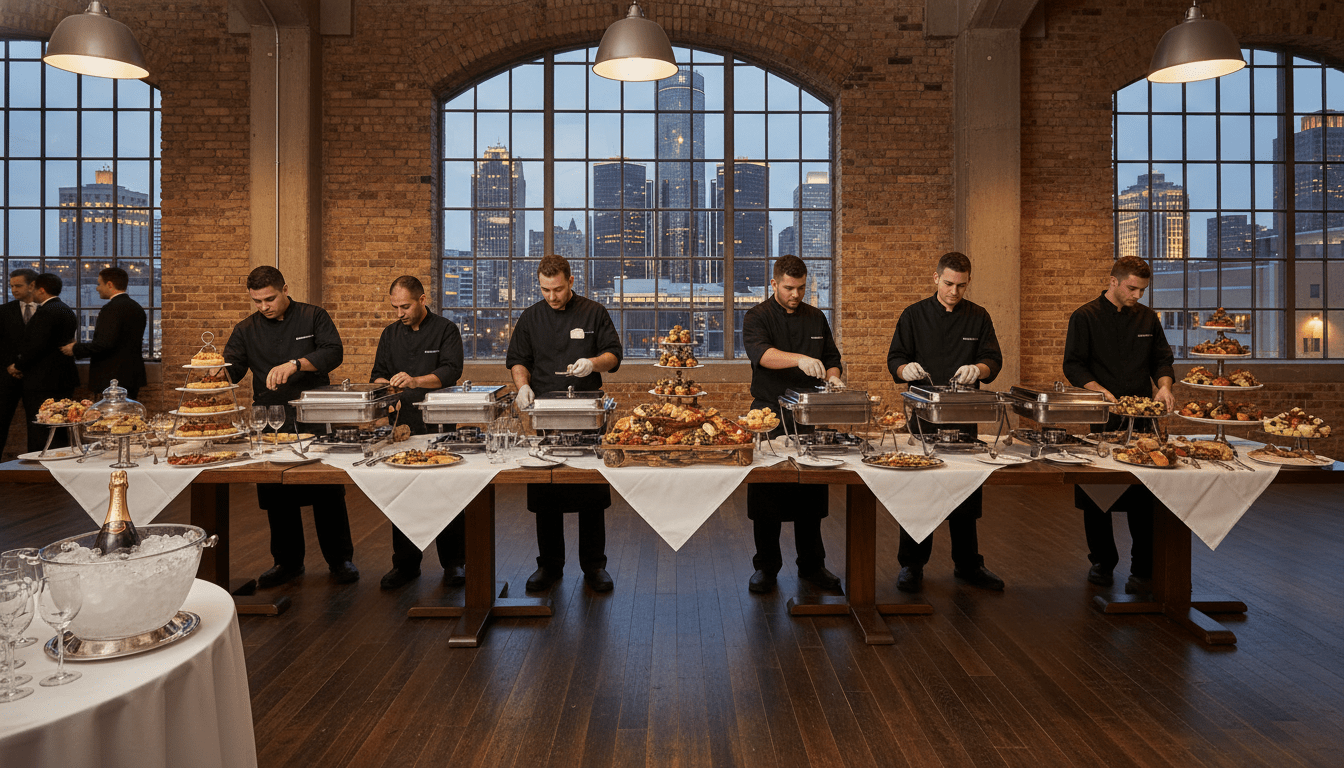
The landscape of the Detroit food scene is undergoing a significant transformation. While high-profile restaurant openings in the downtown core often capture the headlines, a quiet but robust expansion is occurring in the decentralized food service sector. The Detroit catering business market has seen a marked increase in activity over the last 24 months, fueled by a resurgence in corporate gatherings, a revitalized wedding industry, and the ongoing redevelopment of neighborhood event spaces.
The Shifting Landscape of the Detroit Catering Business
Data from the Michigan Restaurant & Lodging Association (MRLA) indicates that while traditional brick-and-mortar establishments face rising commercial rents, many entrepreneurs are turning to catering as a more sustainable entry point into the culinary industry. By operating out of shared-use kitchens or commissary spaces, a Detroit catering business can significantly reduce overhead costs while maintaining high production volumes. This shift has allowed local chefs to scale their operations without the immediate burden of maintaining a public-facing dining room.
According to reports from the Detroit Economic Growth Corporation (DEGC), the city’s investment in small business support programs like Motor City Match has played a pivotal role. Many recipients of these grants are food-based businesses that utilize catering services to diversify their revenue streams. This diversification is seen as a safeguard against the fluctuations of foot traffic in specific neighborhoods, providing a steady income through pre-booked events and municipal contracts.
Regulatory Hurdles and Small Business Support
Starting a catering operation in the city requires navigating a complex web of local and state regulations. Business owners must secure licensing through the Detroit Health Department and the Michigan Department of Agriculture & Rural Development (MDARD). These regulations ensure that food safety standards are met, particularly for businesses that transport hot and cold meals across the metro area.
Local industry experts suggest that the barrier to entry remains high regarding compliance. However, organizations such as FoodLab Detroit have been instrumental in providing resources for entrepreneurs looking to scale. For many, the path involves transitioning from a home-based operation to a licensed commercial kitchen, a move that requires capital and a deep understanding of Detroit’s zoning laws. You can read more about how these changes are affecting local entrepreneurs in our recent coverage of Detroit small business grants.
Impact on Detroit Residents
The growth of the Detroit catering business sector has a direct impact on the local workforce. Unlike traditional restaurants, which may rely heavily on part-time front-of-house staff, catering companies often require a specialized workforce of event coordinators, logistics managers, and prep cooks. This has created a surge in demand for culinary training programs within the city limits.
Furthermore, the rise of localized catering services has improved food access for community events. Instead of relying on national chains, neighborhood organizations and block clubs are increasingly sourcing their food from local vendors. This keeps more capital circulating within the city’s economy. Many caterers in the city prioritize local sourcing, purchasing ingredients from urban farms like those found in the North End or the Eastern Market district, further strengthening the internal supply chain.
Background & Data: The Economics of Food Service
The economic footprint of food service in Detroit is substantial. Recent trends documented by the U.S. Bureau of Labor Statistics show a steady climb in food service employment across the Detroit-Warren-Dearborn metropolitan area. While inflation has increased the cost of raw ingredients—particularly protein and dairy—catering businesses have managed to adjust pricing models more flexibly than fixed-menu restaurants. This adaptability is key to their survival in a volatile economic climate.
A significant portion of the growth is also attributed to the city’s increasing role as a destination for regional conferences. As the Huntington Place convention center and local hotels see higher booking rates, the secondary market for off-site catering has expanded. Businesses that specialize in high-volume, professional delivery have seen the most consistent gains in this environment. This trend is a vital component of the broader neighborhood economic recovery occurring across the city.
What Happens Next
Looking ahead to 2025, the catering industry in Detroit is expected to become more tech-integrated. Many local startups are adopting advanced logistical software to manage delivery routes and inventory in real-time. This technological shift aims to mitigate the rising costs of fuel and labor. There is also a growing movement toward sustainability, with several Detroit-based catering firms committing to zero-waste practices and the use of compostable serving materials.
Industry analysts expect that the next phase of growth will come from the redevelopment of vacant industrial buildings into massive commissary hubs. These facilities will allow multiple Detroit catering business owners to share resources, further lowering the barrier to entry for the city’s aspiring chefs. As Detroit continues to reinvent its economic identity, the food service and catering sector remains a cornerstone of its resilient small business community.