Detroit’s retail landscape is undergoing its most significant transformation in decades. Once defined by sprawling suburban-style malls on the city’s periphery, the focus has shifted toward the revitalization of historic Detroit shopping districts and the emergence of curated downtown corridors. This shift reflects broader trends in the Detroit economy, as the city moves toward a decentralized yet interconnected network of retail hubs that prioritize walkability, local entrepreneurship, and luxury branding.
The Rebirth of the Woodward Avenue Corridor
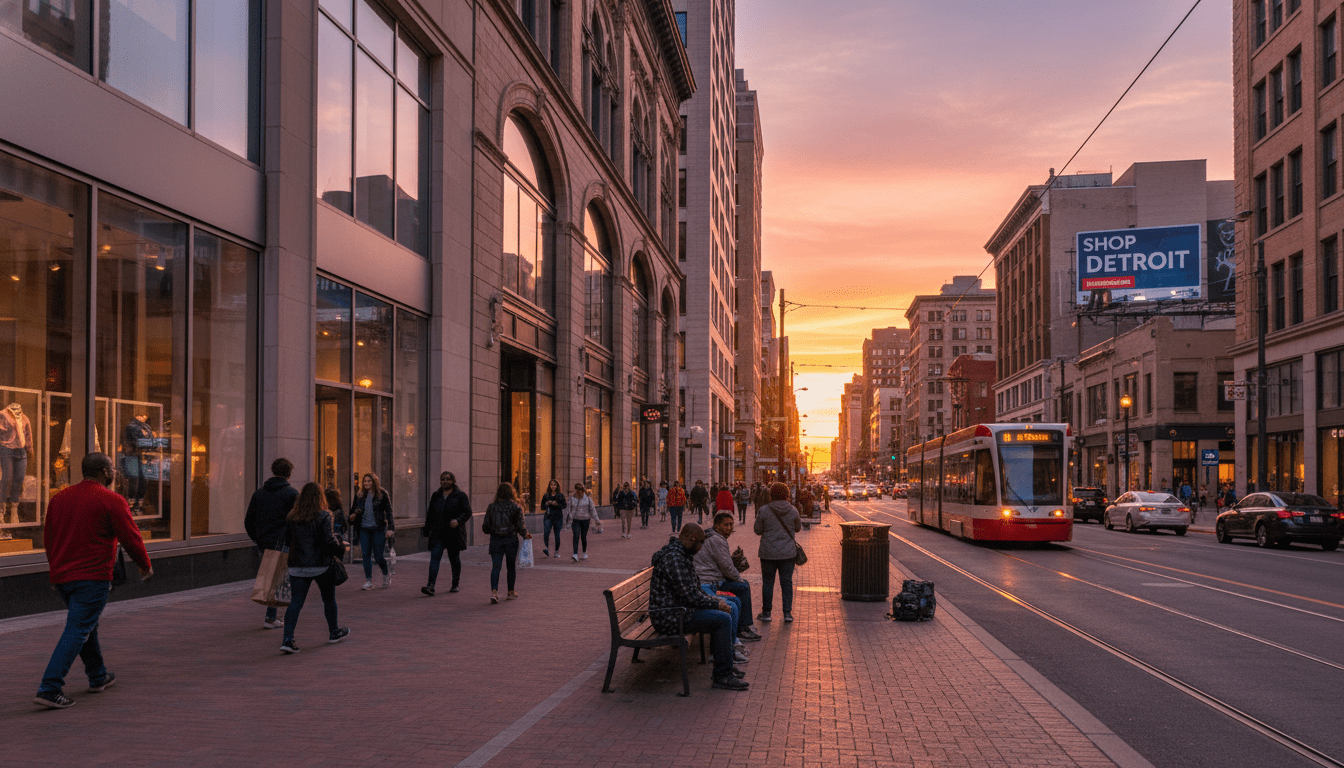
The heart of this retail resurgence is the Woodward Avenue corridor. Over the last decade, high-end national brands and local boutiques have filled storefronts that once sat vacant. According to reports from the Detroit Economic Growth Corporation (DEGC), the density of occupied retail space in the downtown core has reached levels not seen since the mid-20th century. Major players like Bedrock Detroit have been instrumental in this shift, attracting global retailers like Gucci and H&M, while maintaining space for homegrown Detroit brands.
However, the narrative of Detroit shopping districts is no longer confined to the central business district. The growth of downtown has served as a catalyst for investment in peripheral neighborhoods. Areas like Corktown and Midtown are witnessing a surge in mixed-use developments that integrate residential units with ground-floor retail, creating a “20-minute neighborhood” model where residents can access daily needs and luxury items within a short walk or transit ride.
Neighborhood Shopping Corridors and the ‘Avenue of Fashion’
While downtown captures the headlines, Detroit’s historic neighborhood corridors are proving to be the backbone of the city’s small business ecosystem. The Livernois ‘Avenue of Fashion’ remains a premier example of how localized investment can sustain a shopping destination for decades. Known for having one of the highest concentrations of Black-owned businesses in the country, the district recently underwent a multi-million dollar streetscape improvement project aimed at widening sidewalks and enhancing the pedestrian experience.
Data from the U.S. Census Bureau and local economic surveys indicate that these neighborhood-level Detroit shopping districts are critical for wealth retention within the city. By supporting local retailers over national chains, more revenue stays within the community, fueling further job creation. As noted in recent Detroit Free Press business reporting, the city’s focus has turned toward “corridor managers” who help coordinate marketing and maintenance for these specific retail zones, ensuring they can compete with regional shopping centers.
The Decline of Traditional Malls and Rise of Experiential Retail
The rise of these urban corridors stands in stark contrast to the challenges facing traditional Detroit malls. Facilities like the former Eastland Center and Northland Center have transitioned from shopping destinations to massive redevelopment sites, often being converted into light industrial hubs or multi-family housing complexes. This trend highlights a fundamental change in consumer behavior: Detroiters are increasingly favoring experiential retail over the enclosed, big-box format.
Industry analysts suggest that the best shopping Detroit offers today is found in districts that offer more than just transactions. Eastern Market, for instance, thrives because it combines a historic wholesale food hub with art galleries, apparel shops, and a vibrant weekend atmosphere. This “destination retail” model is being replicated in newer developments, where shopping is paired with dining, entertainment, and public art installations.
Impact on Detroit Residents
The revitalization of Detroit shopping districts has a direct impact on the quality of life for local residents. For years, Detroiters faced a “retail leak,” where billions of dollars in spending power left the city for suburban malls due to a lack of local options. The return of grocery stores, clothing boutiques, and specialty shops means residents no longer have to commute long distances for basic or luxury goods.
Furthermore, programs like Motor City Match have provided millions of dollars in grants to help entrepreneurs open physical locations in these districts. This has lowered the barrier to entry for residents looking to start businesses in their own neighborhoods. According to city officials, these investments have led to hundreds of new business openings, creating thousands of jobs for Detroit residents and stabilizing property values in surrounding residential blocks.
Background & Data: Understanding the Retail Shift
The economic data supporting this retail shift is clear. Commercial occupancy rates in key Detroit retail areas have seen a steady climb since 2015. While the COVID-19 pandemic temporarily slowed growth, the recovery has been marked by a “flight to quality,” where retailers are seeking out high-traffic, well-maintained districts over isolated storefronts.
Internal tracking at DetroitCityNews.com regarding Detroit commercial real estate shows that lease rates in the most desirable districts, such as Canfield Street in Midtown, now rival some of the most expensive suburban markets. This parity indicates a growing confidence from both investors and consumers in the city’s long-term commercial viability.
What Happens Next: Future Developments
Looking ahead, several major projects are expected to further redefine Detroit shopping districts. The completion of the Hudson’s site development on Woodward Avenue will introduce significant new square footage for retail and dining, potentially serving as a new anchor for the downtown shopping experience. Additionally, the continued expansion of the Joe Louis Greenway is expected to spur retail development along its path, connecting various neighborhoods through a green-focused commercial artery.
As the city continues to implement its Strategic Neighborhood Fund, more corridors will likely see the same level of investment as Livernois and Grand River. For shoppers, this means the future of Detroit retail is not a single destination, but a diverse collection of vibrant, walkable districts that reflect the unique culture and history of the city’s many neighborhoods.