Detroit’s skyline is no longer defined solely by the heavy industry that built the 20th century. As we look toward the Detroit tech scene in 2026, the city is cementing its reputation as a global hub for mobility, clean energy, and decentralized technology. The transition from the “Motor City” to a diversified innovation capital is the result of nearly a decade of public-private partnerships and massive investment in the city’s downtown and Midtown corridors.
According to reports from the Michigan Economic Development Corporation (MEDC), Detroit has seen a 25% increase in venture capital activity over the last three years, with a specific focus on late-stage startups in the electric vehicle (EV) and logistics sectors. This surge is not just about manufacturing hardware; it is about the software and connectivity systems that will define the next generation of global transit.
The Transformation of the Detroit Tech Scene
At the heart of this transformation is the Michigan Central innovation district in Corktown. What started as the restoration of a historic train station has evolved into a 30-acre ecosystem where global giants like Ford Motor Company collaborate with early-stage startups. By 2026, the district is expected to house more than 5,000 workers, many of whom are focused on autonomous driving protocols and smart city infrastructure.
The current growth of the Detroit tech scene is also bolstered by the Newlab at Michigan Central, which provides specialized equipment and prototyping space for startups that were previously priced out of markets like Silicon Valley or New York. Local business leaders suggest that Detroit’s lower cost of living and existing engineering talent pool have created a “perfect storm” for technical expansion. This evolution is closely tied to broader shifts in the Detroit economic landscape, as the city seeks to insulate itself from the traditional boom-and-bust cycles of the automotive industry.
Mobility and Clean Energy Trends
In 2026, the intersection of technology and sustainability is the primary driver of new company formation. Startups focusing on battery chemistry and EV charging infrastructure have become the new anchors of the local economy. Companies like Our Next Energy (ONE) have paved the way for a cluster of battery-tech firms to settle in Southeast Michigan, leveraging the state’s deep supply chain expertise.
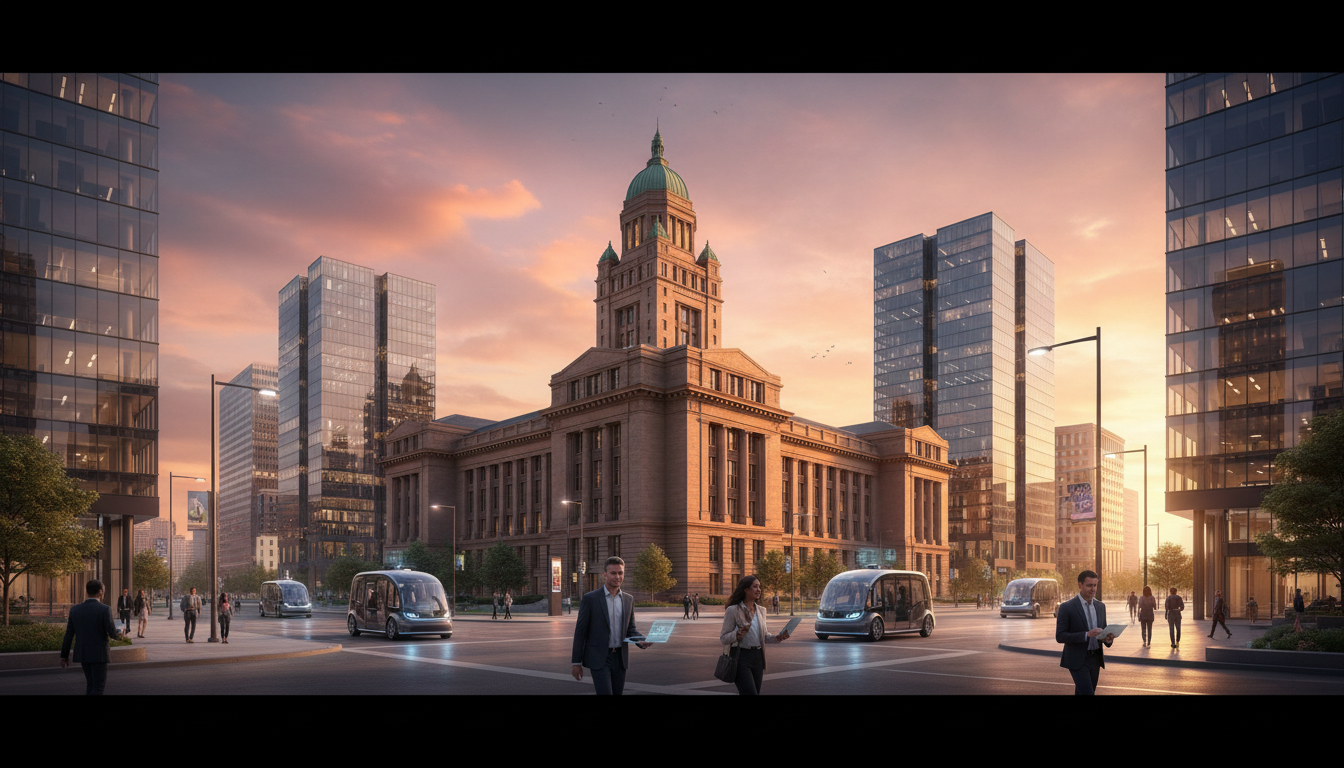
Data from the City of Detroit’s Office of Mobility Innovation indicates that the pilot programs for inductive (wireless) vehicle charging on public streets have now moved into permanent installations. This infrastructure is not just a novelty; it is a critical component for the fleet of autonomous delivery robots and public transit shuttles that are becoming a common sight in the 7.2-square-mile downtown core. These advancements are frequently discussed in tandem with Detroit real estate trends, as developers prioritize tech-integrated commercial spaces to attract these high-growth tenants.
How Innovation Impacts Detroit Residents
The most critical question for many locals is how the Detroit tech scene translates to neighborhood-level benefits. The “Detroit Model” of innovation has placed a heavy emphasis on workforce development. Programs like the University of Michigan Center for Innovation (UMCI), which is now entering its second full year of operation in 2026, are specifically designed to bridge the gap between local high school graduates and high-paying tech roles.
The impact is felt most strongly in local employment figures. According to the Detroit Regional Chamber, the tech sector now accounts for a significantly higher percentage of the city’s median income growth compared to 2020. Residents in neighborhoods surrounding the innovation hubs, such as North Corktown and Woodbridge, have seen increased investment in high-speed fiber internet and improved public transit options—amenities often fast-tracked to support the growing technical workforce.
However, the influx of high-earning tech professionals has also led to discussions regarding housing affordability. To combat this, the city government has worked with developers to ensure that the growth of the technology sector coincides with the preservation of affordable housing units, ensuring that the people who built Detroit are not displaced by its digital future.
Background & Data: The Metrics of Growth
The numbers supporting the Detroit tech scene are robust. A 2025 study by the Brookings Institution highlighted Detroit as one of the top mid-sized “rising star” cities for technical job creation. Key metrics included:
- A 15% year-over-year increase in patent filings related to green technology.
- The successful exit of three Detroit-based software-as-a-service (SaaS) companies, providing local founders with the capital to reinvest in the ecosystem.
- A 40% increase in minority-led tech startups, largely driven by initiatives like Black Tech Saturdays, which has grown from a local meetup into a nationally recognized incubator.
Public funding has played a pivotal role. The Strategic Outreach and Attraction Reserve (SOAR) fund, managed by the state, has been instrumental in securing multi-billion dollar commitments for semiconductor packaging and hydrogen fuel cell development within the city limits.
What Happens Next
Looking ahead to the remainder of 2026 and into 2027, the focus is expected to shift toward the integration of Artificial Intelligence (AI) in manufacturing. Detroit’s “smart factories” are becoming a blueprint for the rest of the nation, combining traditional assembly line expertise with real-time AI diagnostics.
Furthermore, as the Detroit tech scene matures, the city is expected to host more international summits, drawing global attention to its unique blend of heritage and high-tech. While challenges remains—particularly in ensuring the digital divide is fully closed for all residents—the trajectory for Detroit is clear. The city is no longer just chasing the future; it is actively building it. For residents and investors alike, the coming years represent the most significant economic shift since the introduction of the assembly line over a century ago.