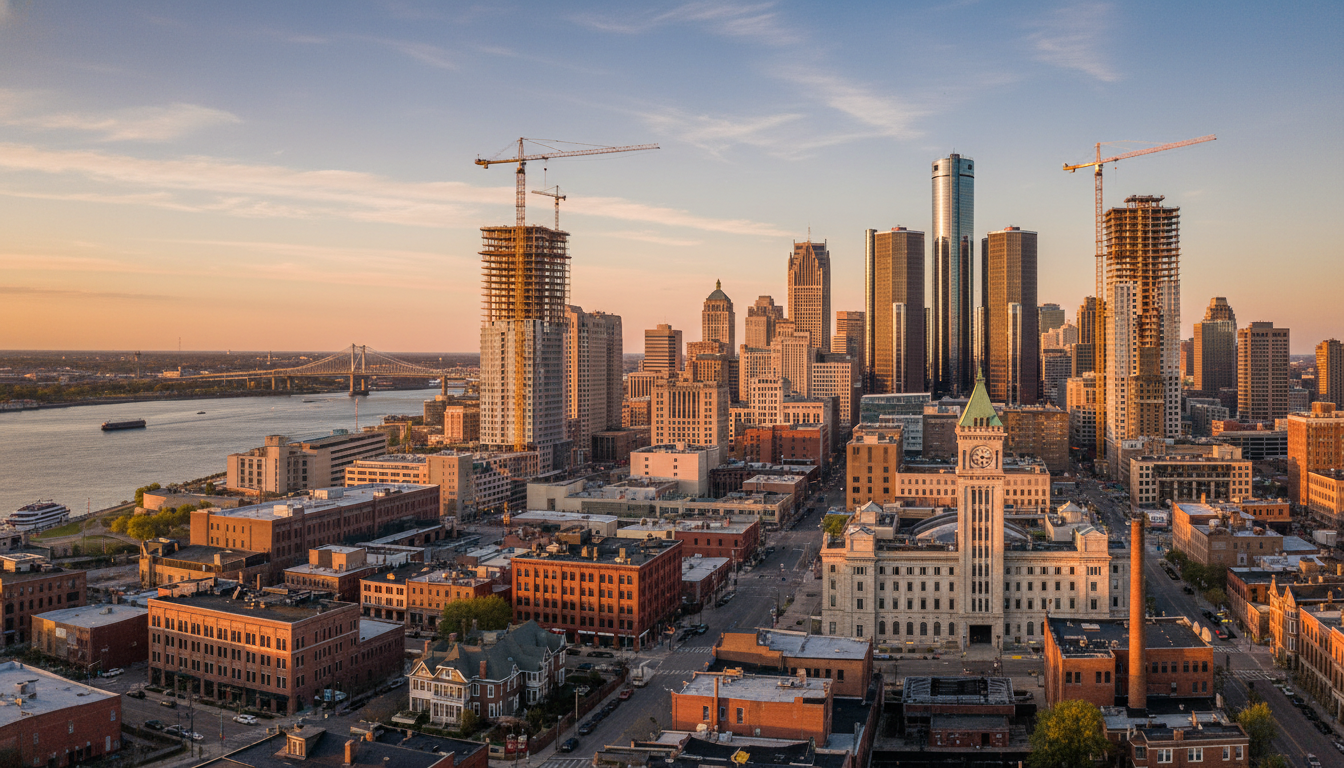
As Detroit continues its multifaceted recovery, the landscape of the city’s housing market is undergoing a fundamental transformation. For decades characterized by some of the lowest housing costs in the United States, Detroit is increasingly becoming a tale of two markets. Looking ahead to 2026, analysts and urban planners are watching closely to see if the city’s residential momentum can balance the influx of high-end developments with the critical need for neighborhood-wide affordability.
The Core Renaissance and Rental Pressure
The trajectory of Detroit rent prices in 2026 is heavily influenced by the concentrated investment in the city’s Greater Downtown area. According to data from the City of Detroit’s Housing and Revitalization Department, the city has seen a consistent uptick in the demand for multi-family units in neighborhoods like Midtown, Corktown, and the East Riverfront. This demand is driven largely by professional migration following significant corporate investments, such as the Michigan Central innovation district and the completion of the Hudson’s Site development.
By 2026, many of the luxury residential projects currently under construction will have reached full occupancy. This supply, while necessary to stabilize the market, often targets a higher income bracket. For residents of 2026, this means that while the average rent across the city might appear moderate, the specific costs in “high-growth” zones could mirror prices found in established tech hubs like Columbus or Pittsburgh. You can read more about recent shifts in our report on Detroit neighborhood development projects.
Impact on Detroit Residents
For the average Detroiter, the forecast for 2026 presents a mixed bag of opportunities and challenges. While the increase in rental values often signals neighborhood revitalization and improved services, it also heightens the risk of displacement for long-term renters. The disparity between market-rate rents and the median household income remains a primary concern for local advocacy groups.
The city has responded with several initiatives. “Our focus remains on ensuring that as Detroit grows, no one is left behind,” a representative from the City of Detroit housing office noted in a recent policy briefing. This sentiment is echoed by the city’s commitment to preserving at least 10,000 units of affordable housing through 2026. However, for those looking for housing in the private market without subsidies, the options are narrowing. Many residents are moving further into the outer neighborhoods, creating a ripple effect that is starting to drive up rents in areas that were once considered significantly undervalued. This economic shift is also affecting Detroit’s local economy as disposable income is increasingly redirected toward housing costs.
Background & Data: Understanding the Shift
Data from the U.S. Census Bureau and recent market surveys indicate that Detroit’s median rent has grown at an annualized rate of approximately 4-6% over the last three years. If these trends hold through 2026, a one-bedroom apartment in a revitalized neighborhood could consistently exceed $1,400 per month, a figure that was rare just a decade ago.
Several factors contribute to these projections:
1. Construction Costs: Inflationary pressures on building materials and a tight labor market in the Midwest are making new developments more expensive to complete.
2. Vacancy Rates: In prime areas, vacancy rates have dropped below 5%, a sign of a very tight market where landlords have the leverage to increase prices.
3. Quality of Stock: Much of Detroit’s rental inventory is aging. As units are renovated to modern standards, they are re-entering the market at significantly higher price points.
According to a report by the Detroit Housing and Revitalization Department, the city is aggressively pursuing “Missing Middle” housing—townhomes and duplexes—to bridge the gap between low-income housing and luxury high-rises. The success of these projects will be a defining factor in the 2026 market stability.
What Happens Next: The 2026 Outlook
As we approach 2026, the primary question for Detroit is whether the supply of new housing can catch up with the renewed interest in urban living. Real estate analysts suggest that the market may see a “soft landing” where price increases begin to level off as the massive surge of new construction from 2023-2024 finally matures. However, this stabilization is contingent on national economic factors, including interest rates and the continued health of the automotive and tech sectors in Southeast Michigan.
Potential renters in 2026 should expect a more competitive application process and should be prepared for higher utility costs, as newer buildings often feature modern amenities but higher overall monthly expenditures. For the city, the challenge of 2026 will be maintaining the unique cultural fabric of its neighborhoods while fostering the growth that ensures long-term economic viability. The coming years will be a test of whether Detroit can achieve growth without sacrificing the inclusivity that has long been its hallmark.