Detroit’s economic landscape is entering a transformative phase as 2026 approaches, marked by a decisive shift from centralized downtown revitalization toward a robust, neighborhood-centric model. For decades, the narrative of the city’s recovery focused on the 7.2-square-mile core, but current data suggests that the next wave of prosperity is being driven by micro-entrepreneurs in the city’s residential corridors. These Detroit small business trends 2026 reflect a maturing ecosystem that prioritizes local ownership, sustainability, and technological integration.
The Rise of the Neighborhood Commercial Corridor
The decentralization of Detroit’s economy is perhaps the most visible trend heading into 2026. According to reports from the Detroit Economic Growth Corporation (DEGC), there has been a 22% increase in commercial lease signings in neighborhoods such as Livernois, Grand River, and Jefferson-Chalmers over the last two years. This movement is supported heavily by the Strategic Neighborhood Fund, a public-private partnership aimed at improving parks, streetscapes, and commercial strips.
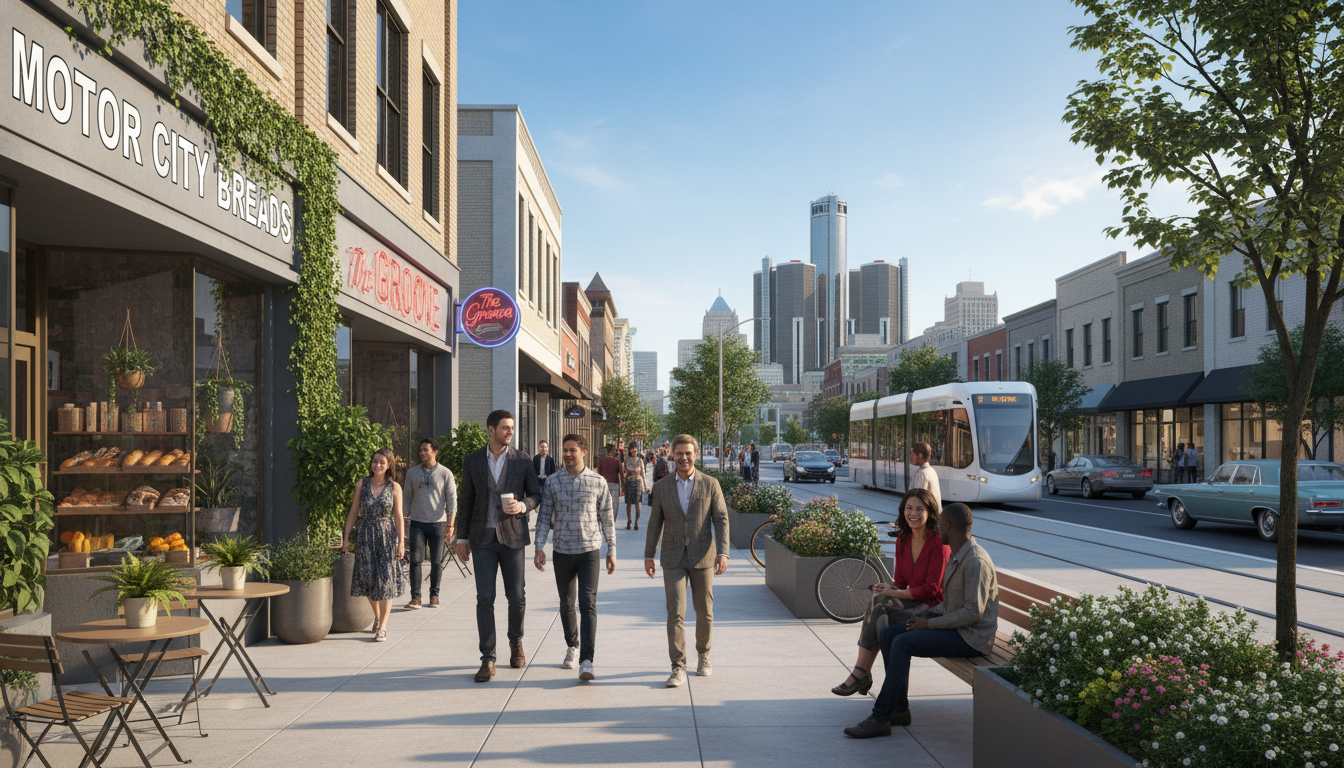
Local analysts suggest that the “15-minute city” concept is finally taking root in Detroit. Residents are increasingly seeking essential services—groceries, fitness, and professional services—within walking distance of their homes. This demand has spurred a surge in small-scale retail and service-based businesses that cater specifically to the demographics of individual zip codes rather than regional tourism. This hyper-local focus is a cornerstone of the Detroit small business trends 2026 that are stabilizing property values in historically underserved areas.
Impact on Detroit Residents
The evolution of the local business sector is directly influencing the quality of life for Detroiters. The growth of small businesses has become a primary driver of the local labor market. Unlike large corporations that may automate roles, small businesses in Detroit are more likely to hire from within the community. For residents, this means shorter commutes and more accessible entry-level positions that offer pathways to management.
Furthermore, the diversification of the business landscape is helping to close the wealth gap. Detroit remains a leader in Black-owned business growth. As reported in recent city economic summits, the success of these enterprises provides a template for generational wealth building. When a resident opens a bakery in Brightmoor or a tech repair shop in East English Village, they are not just providing a service; they are creating an anchor institution that encourages further investment in the surrounding blocks. You can read more about how this correlates with Detroit real estate market projections for the coming years.
Background & Data: Sustainability and Tech Integration
Two major pillars defining Detroit small business trends 2026 are environmental sustainability and the adoption of advanced retail technology. Data from the University of Michigan’s Detroit Economic Outlook indicates that small firms are increasingly pivoting toward “green” operations. This includes everything from zero-waste grocery stores to HVAC companies specializing in electric heat pump installations, fueled by federal incentives and local sustainability grants.
The tech landscape has also shifted. Local businesses are no longer just using social media for marketing; they are integrating AI-driven inventory management and contactless payment systems that were once the exclusive domain of national chains. This “tech-leveling” allows a small boutique in Corktown to compete with major retailers on efficiency while maintaining a unique, local character. This trend is especially prevalent in areas seeing high density, as noted in our previous coverage of Corktown development projects.
The City of Detroit’s Mayor’s Office has also highlighted the role of the Motor City Match program, which has awarded millions in grants to entrepreneurs. As of 2026, the program has evolved to emphasize “resiliency training,” helping businesses prepare for economic fluctuations through diversified revenue streams and digital expansion.
Challenges and the Path Forward
Despite the optimistic growth, challenges remain. Inflation and the cost of credit continue to be hurdles for new entrepreneurs. While the Detroit small business trends 2026 show a high rate of new business starts, the survival rate of these businesses after the three-year mark remains a focus for local advocacy groups. Access to capital is still cited as the number one barrier for minority entrepreneurs in the city.
To combat this, local credit unions and community development financial institutions (CDFIs) are rolling out new micro-loan programs specifically designed for Detroit-based ventures. These financial instruments are often paired with mandatory business coaching, ensuring that the growth we see today is sustainable for the long term.
What Happens Next
Looking toward the remainder of 2026 and into 2027, the trajectory of Detroit’s small business community remains upward. The city is preparing for increased international visibility, and local businesses are positioning themselves to capitalize on the influx of visitors and new residents. The focus will likely remain on maintaining the authenticity of Detroit’s neighborhoods while embracing the modernization required to thrive in a digital-first economy.
For the average Detroiter, these Detroit small business trends 2026 mean a more vibrant, convenient, and economically stable city. The shift from a downtown-only focus to a neighborhood-wide strategy is not just a trend; it is the new blueprint for Detroit’s economic future.