Detroit’s economic landscape is entering a new phase of maturity as the city moves toward 2026. While the previous decade was defined by the rapid revitalization of the Downtown and Midtown cores, the current trajectory is characterized by a significant shift toward neighborhood-level commercial corridors. Small business owners and economic development experts are now looking at a diverse array of factors—ranging from digital transformation to localized supply chains—that are expected to define the Detroit small business trends 2026.
According to the Detroit Economic Growth Corporation (DEGC), the city’s small business ecosystem is no longer just about survival; it is about scaling. The influx of capital into commercial corridors like Livernois, Grand River, and East Warren has created a fertile ground for entrepreneurs who are focusing on service-based and tech-enabled ventures that cater to the evolving needs of Detroit residents.
Key Drivers of Detroit Small Business Trends 2026
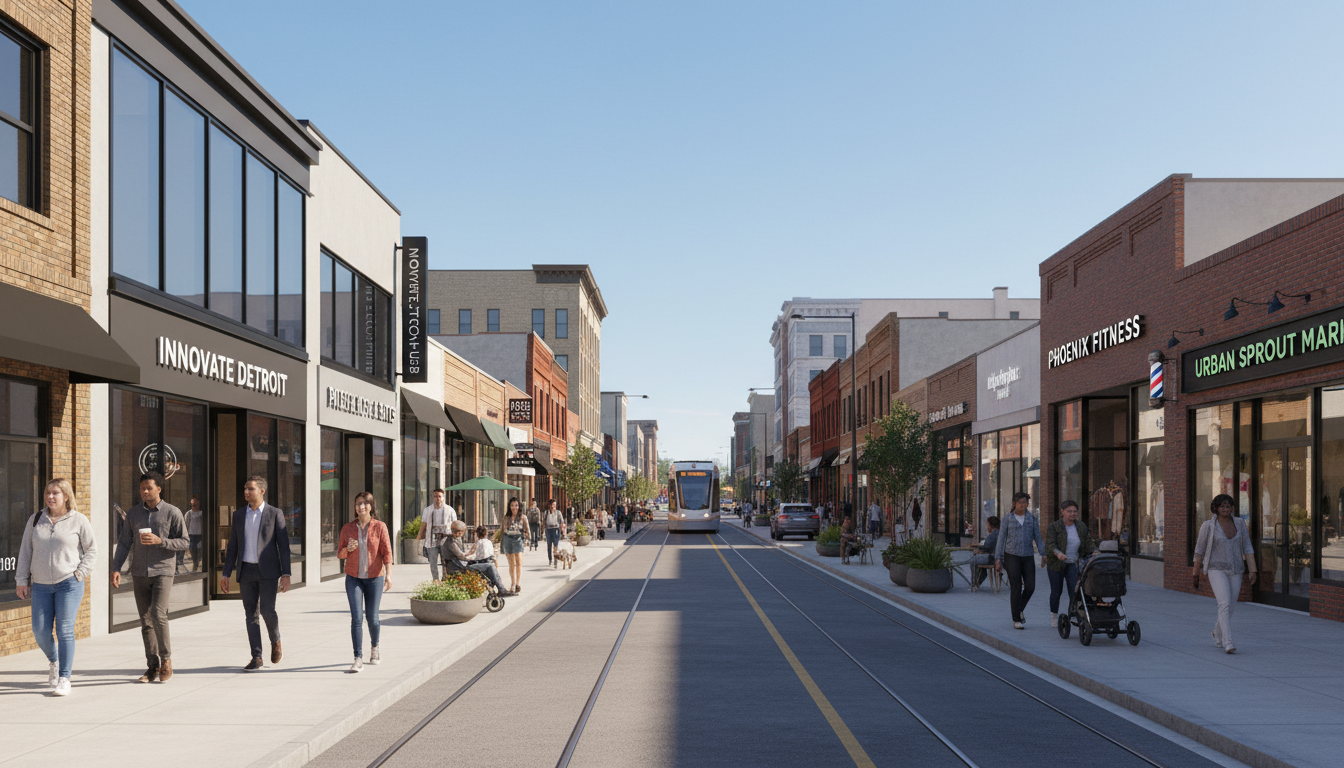
One of the primary drivers of growth is the continued investment in the “15-minute neighborhood” concept. This urban planning strategy aims to ensure that residents have access to essential services within a short walk or bike ride from their homes. As a result, 2026 is expected to see a surge in specialized retail and professional services located outside the central business district. Data from the City of Detroit indicates that the demand for neighborhood-based commercial space remains high, with occupancy rates in revitalized corridors seeing steady year-over-year increases.
Technology adoption is another significant trend. The shift toward hybrid commerce—where businesses maintain both a physical storefront and a robust digital presence—has become a baseline requirement. Local business owners are increasingly utilizing artificial intelligence for inventory management and hyper-local digital marketing to compete with national retailers. This digital shift is often supported by neighborhood development strategies that prioritize digital literacy and technical assistance for legacy business owners.
Impact on Detroit Residents
The growth of small businesses has a direct and measurable impact on the daily lives of Detroiters. Beyond providing essential goods and services, these businesses are the primary engines for local employment. Unlike larger corporations, small businesses tend to hire from within their immediate ZIP codes, which helps circulate wealth within the community. For residents, this means more job opportunities closer to home and a reduction in the transportation barriers that have historically hindered workforce participation.
Furthermore, the diversification of the local economy provides a buffer against broader economic volatility. As more residents start their own ventures, the city sees an increase in the number of “micro-enterprises”—businesses with fewer than ten employees. These entities are becoming the backbone of the Detroit economic outlook, fostering a culture of entrepreneurship that encourages younger generations to remain in the city and contribute to its growth.
Background & Data: The Role of Incentives
The sustained growth predicted for 2026 is largely underpinned by institutional support. Programs like Motor City Match have provided tens of millions of dollars in grants and technical assistance to hundreds of businesses. Reports from the DEGC highlight that a significant percentage of these grant recipients are minority-owned or women-owned businesses, reflecting a concerted effort to ensure that the city’s economic resurgence is inclusive.
Statistics from the U.S. Census Bureau’s Business Formation Statistics show that Michigan has consistently seen high levels of new business applications over the last several years. In Detroit specifically, the focus has shifted from high-volume applications to sustainable business models. Experts note that the survival rate of new businesses in the city has improved as entrepreneurs gain better access to low-interest loans and commercial real estate acquisition programs. Sustainability is also becoming a core component, with more businesses adopting green energy solutions to lower operational costs—a trend incentivized by federal and state environmental grants.
Challenges on the Horizon
Despite the optimistic outlook, challenges remain. Inflation and fluctuating interest rates continue to affect the cost of capital for new startups. Additionally, the rising cost of commercial rent in popular neighborhoods is forcing some businesses to look toward emerging corridors that have not yet seen the same level of infrastructure investment. Workforce development remains a critical bottleneck; while jobs are being created, finding skilled labor for specialized roles in tech-integrated retail and modern manufacturing is a recurring concern voiced by local chambers of commerce.
What Happens Next: Looking Toward 2026
As the city prepares for 2026, the focus will likely turn toward the long-term legacy of major events, such as the 2024 NFL Draft, which served as a massive marketing campaign for Detroit’s business climate. The momentum generated by such events is expected to culminate in 2026 with a more mature, tech-savvy, and neighborhood-focused small business sector.
Observers expect the City of Detroit to continue its aggressive blight removal and streetscape improvement projects, which have proven to be catalysts for private investment. For the small business owner in Detroit, the message for 2026 is clear: success will depend on the ability to integrate into the local community while leveraging modern technology to scale beyond it. The transition from a city in recovery to a city of growth is nearly complete, with small businesses leading the charge into a new era of urban prosperity.