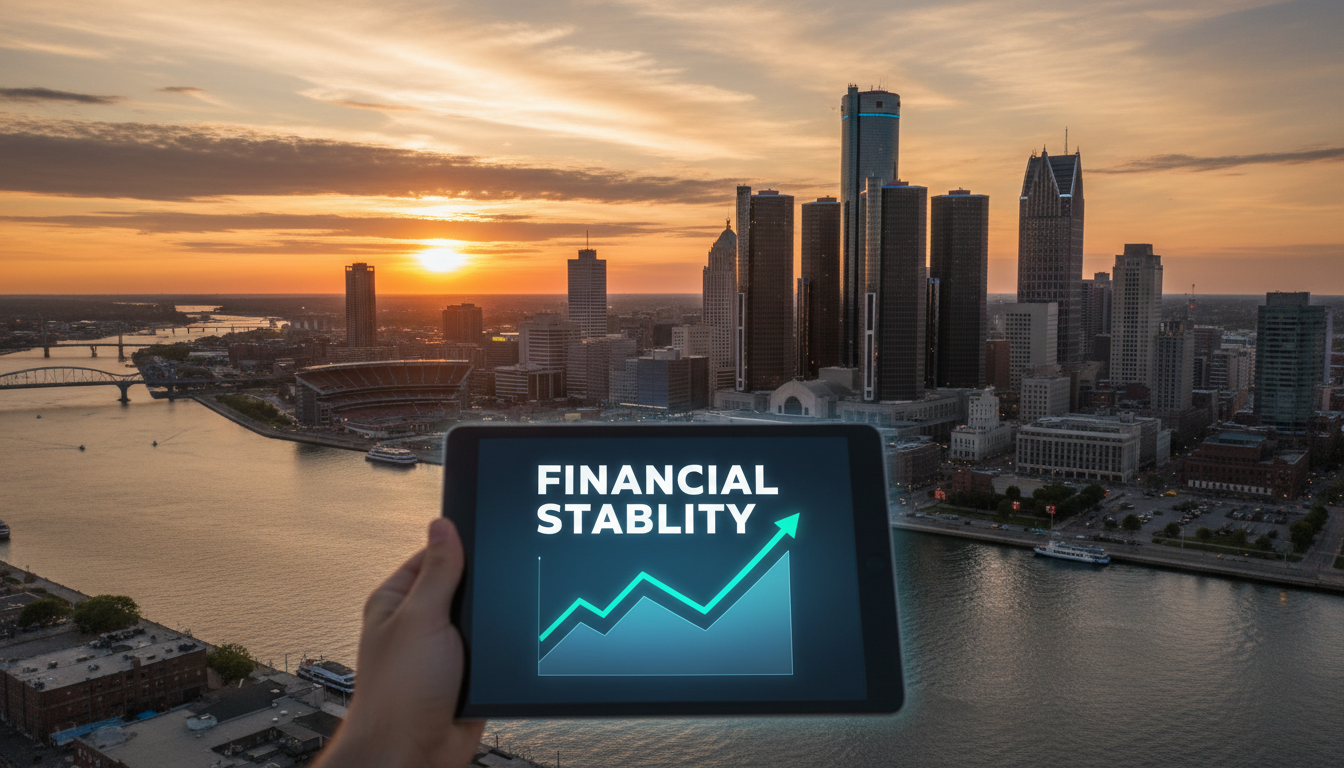
Across the city of Detroit, a significant shift in the financial landscape is becoming visible, not just in the rising skyline of the downtown corridor, but in the personal balance sheets of its residents. New data and local initiatives suggest that efforts to improve the credit score Detroit residents maintain are beginning to yield tangible results, providing a foundation for increased homeownership and economic mobility.
The Push for Financial Empowerment
For decades, many Detroiters have faced systemic barriers to traditional banking and credit markets. However, according to the City of Detroit’s Mayor’s Office, the expansion of the Detroit Financial Empowerment Centers (FEC) has played a pivotal role in reversing this trend. These centers, which offer free, professional one-on-one financial counseling, have helped thousands of residents reduce debt and establish viable credit histories.
Reports from the Cities for Financial Empowerment Fund indicate that residents who engage with these services see a measurable increase in their financial stability. By focusing on specific actions—such as disputing errors on credit reports and establishing secured credit lines—Detroiters are moving away from high-interest predatory lending and toward traditional banking products.
Impact on Detroit Residents and Homeownership
The improvement of a credit score Detroit residents can leverage is more than just a numerical gain; it is a gateway to the city’s housing market. The Detroit Land Bank Authority and various neighborhood revitalization projects rely heavily on residents being mortgage-ready. When a resident’s credit score improves, their ability to secure a low-interest loan for a home in neighborhoods like Fitzgerald or Jefferson-Chalmers increases significantly.
Local housing advocates note that even a 50-point increase in a credit score can save a Detroiter tens of thousands of dollars over the life of a mortgage or an auto loan. In a city where personal transportation is often a necessity for reaching employment hubs, the ability to secure affordable auto loans is a critical component of the local economy. According to data from the Federal Reserve Bank of Chicago, access to credit in urban environments is a primary driver of neighborhood stability and long-term wealth building.
How to Improve Credit Detroit Initiatives
For those looking to improve credit Detroit programs offer several pathways. The Financial Empowerment Centers emphasize a ‘credit-first’ approach. This includes:
- Reviewing credit reports for inaccuracies that may be dragging down scores.
- Utilizing ‘rent reporting’ services where consistent utility or rent payments to Detroit-based landlords are reported to credit bureaus.
- Accessing credit-builder loans through local credit unions that are specifically designed for those with no or thin credit files.
Background and Economic Data
Data from the U.S. Census Bureau and various financial health studies show that Detroit has historically had a higher-than-average percentage of ‘credit invisible’ residents. This lack of credit history often forces individuals into the ‘shadow banking’ sector, where check-cashing stores and payday lenders charge exorbitant fees.
However, the tide is turning. A recent study by the Urban Institute highlighted that mid-sized and large Midwestern cities are seeing a gradual recovery in subprime credit tiers. In Detroit, the synergy between workforce development programs and financial coaching means that as residents find higher-paying jobs in the growing tech and manufacturing sectors, they are simultaneously learning how to protect their earnings through savvy personal finance Detroit strategies.
The Role of Local Lending Institutions
Banks and credit unions are also adjusting their strategies to meet the needs of the Detroit market. Institutions like Invest Detroit and various community development financial institutions (CDFIs) have introduced products that prioritize character-based lending and financial education over strict automated scoring models. This allows for more nuanced loans Detroit entrepreneurs and residents can use to stabilize their living situations or grow small businesses.
For more information on the current state of the city’s growth, readers can explore our previous coverage on the Detroit housing market evolution or read about the latest updates on the local economy. These internal shifts are creating a more resilient consumer base that is less vulnerable to economic downturns.
What Happens Next
Looking ahead, the city plans to further integrate financial counseling into its ‘Skills for Life’ program. By pairing job training with credit building, the goal is to ensure that a paycheck is not just spent, but used as a tool for long-term investment. City officials suggest that as the collective credit score Detroit metrics continue to climb, the city will become even more attractive to developers and retailers, who often use area credit health as a metric for site selection.
Residents interested in these services are encouraged to visit the official City of Detroit website to find their nearest Financial Empowerment Center. As Detroit continues its comeback, the financial health of its people remains the most critical metric of success.