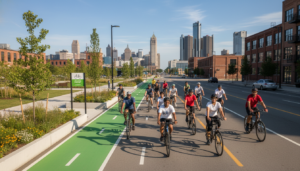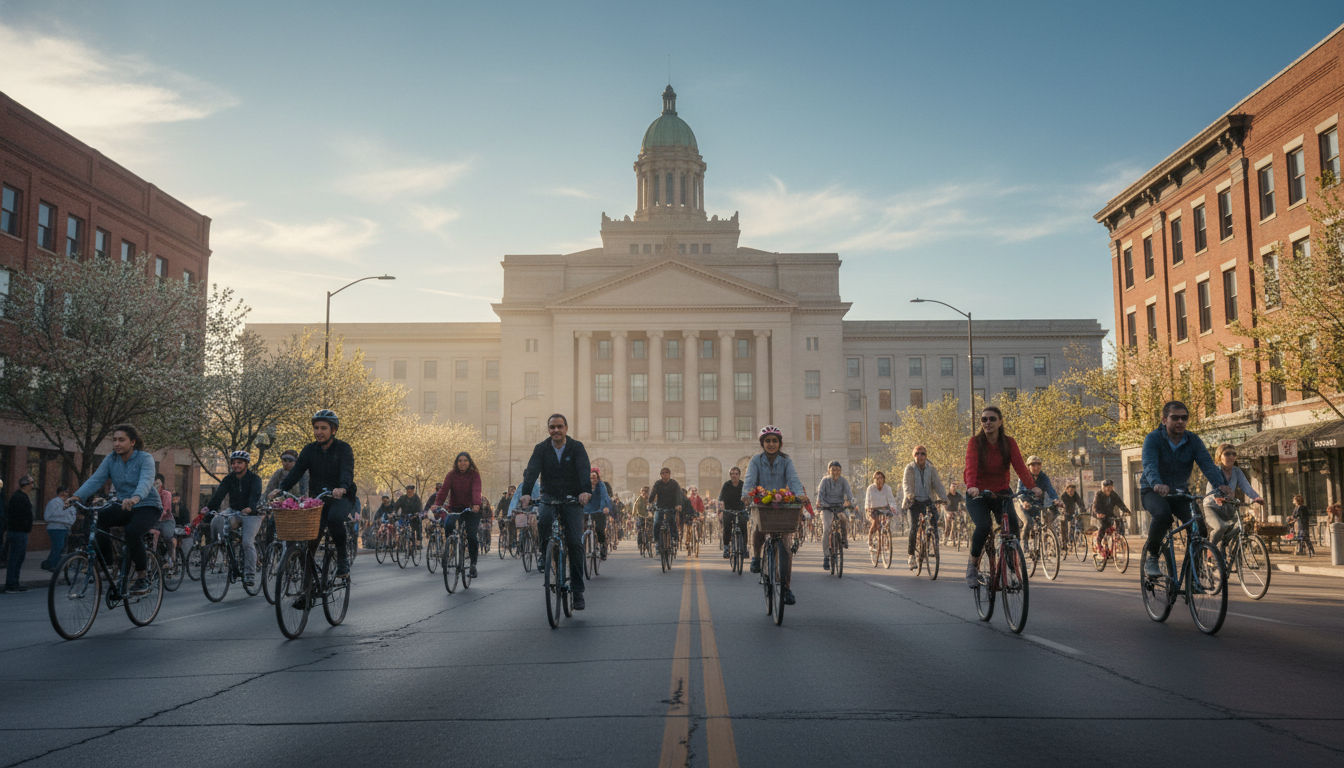
The hum of tires on asphalt and the rhythmic clicking of gear shifters have become the unofficial soundtrack of Detroit’s spring awakening. As April temperatures begin to stabilize, hundreds of cyclists from across the region have converged on the city’s historic neighborhoods for a series of Detroit bike events that signal more than just a change in weather. This annual surge in cycling activity reflects a decade-long transformation of Detroit’s infrastructure and a cultural shift toward non-motorized transit.
From the colorful costumes of the Nain Rouge bike contingent to the more formal season openers hosted by local cycling clubs, the month of April has become a pivotal moment for the city’s outdoor economy. While Detroit was once synonymous almost exclusively with the internal combustion engine, the modern landscape is increasingly defined by the expansion of the Joe Louis Greenway and a growing network of protected bike lanes that have made these mass gatherings possible.
The Growing Popularity of Detroit Bike Events
The recent influx of riders into the downtown core and surrounding neighborhoods like Corktown and Midtown is not a random occurrence. According to data from MoGo, Detroit’s non-profit bike-share system, ridership numbers traditionally see a sharp 40% increase between March and April. This spike coincides with several unique organized rides that draw enthusiasts from as far away as Ann Arbor and Windsor, Ontario.
One of the most significant contributors to this growth is the city’s commitment to the ‘Complete Streets’ philosophy. The City of Detroit’s Department of Public Works has been aggressively implementing a plan to connect residential pockets with commercial hubs via dedicated cycling paths. These Detroit bike events serve as an informal audit of this progress, as riders navigate new segments of the Joe Louis Greenway expansion and the refurbished corridors of Cass Avenue and Jefferson Avenue.
Impact on Detroit Residents and Local Business
For long-time Detroit residents, the sight of hundreds of cyclists is no longer a novelty but an economic engine. Local businesses, particularly coffee shops and independent retailers in the Midtown area, report some of their highest weekend foot traffic during these April kickoff rides. The economic spillover is a critical component of neighborhood stabilization efforts.
“We see a direct correlation between the scheduling of organized bike tours and the weekend revenue of small businesses along the Dequindre Cut,” says a representative from a local economic development non-profit. The synergy between transit and commerce is a cornerstone of the city’s 2024 development goals. Furthermore, the increased presence of cyclists has led to a heightened awareness of road safety. Residents note that as Detroit bike events become more frequent, drivers are becoming more accustomed to sharing the road, though advocacy groups suggest there is still significant work to be done regarding enforcement of bike lane boundaries.
Background and Infrastructure Data
The scale of these April gatherings is supported by a significant increase in infrastructure investment. According to the City of Detroit Department of Public Works, the city has added over 100 miles of protected and conventional bike lanes over the last five years. This is a massive leap from the fragmented network that existed a decade ago.
Data from the U.S. Census Bureau’s American Community Survey indicates that while the majority of Detroiters still rely on personal vehicles, the percentage of residents using bicycles for commuting or supplementary transit has seen a steady upward trend in zip codes adjacent to the Detroit Riverfront transformation. This shift is particularly pronounced among younger professionals and long-standing residents in areas where car insurance premiums remain a significant financial barrier.
Safety remains a primary focus for both the city and the organizers of these events. The Michigan Department of Transportation (MDOT) has collaborated with local cycling advocates to provide education on the proper use of the new two-stage turn boxes and bicycle-specific traffic signals that have been installed at key intersections like Woodward and Warren.
Challenges and Safety Concerns
Despite the celebratory atmosphere of these April rides, the growth of cycling in Detroit faces challenges. A report from the League of American Bicyclists highlights that while infrastructure is improving, the consistency of maintenance—such as clearing debris and glass from protected lanes—remains a concern for daily commuters. During large-scale Detroit bike events, organizers often have to deploy volunteers to scout routes ahead of the group to ensure the safety of participants.
There is also the ongoing discussion regarding the “green gentrification” of neighborhoods. Some community members have voiced concerns that the prioritization of bike lanes in certain areas may signal upcoming property tax increases or a lack of focus on more traditional road repairs. The city has attempted to address this by ensuring that the Joe Louis Greenway project includes extensive community feedback sessions to ensure the path serves existing residents as much as it attracts new visitors.
What Happens Next for Detroit’s Cycling Scene
Looking ahead, the momentum established in April is expected to carry through the summer months, culminating in the major city-wide tours held in the fall. The city’s planners are currently eyeing the completion of several key “gap-filler” projects that will create a seamless loop around the city’s core. This would allow for even larger Detroit bike events without the need for significant road closures.
The integration of the Gordie Howe International Bridge’s future pedestrian and bike path will also provide a first-of-its-kind international connection, potentially making Detroit a premier destination for cycling tourism in the Great Lakes region. For now, the hundreds of riders filling the streets this April represent a community that is literally and figuratively pedaling toward a more connected, sustainable future for the Motor City.