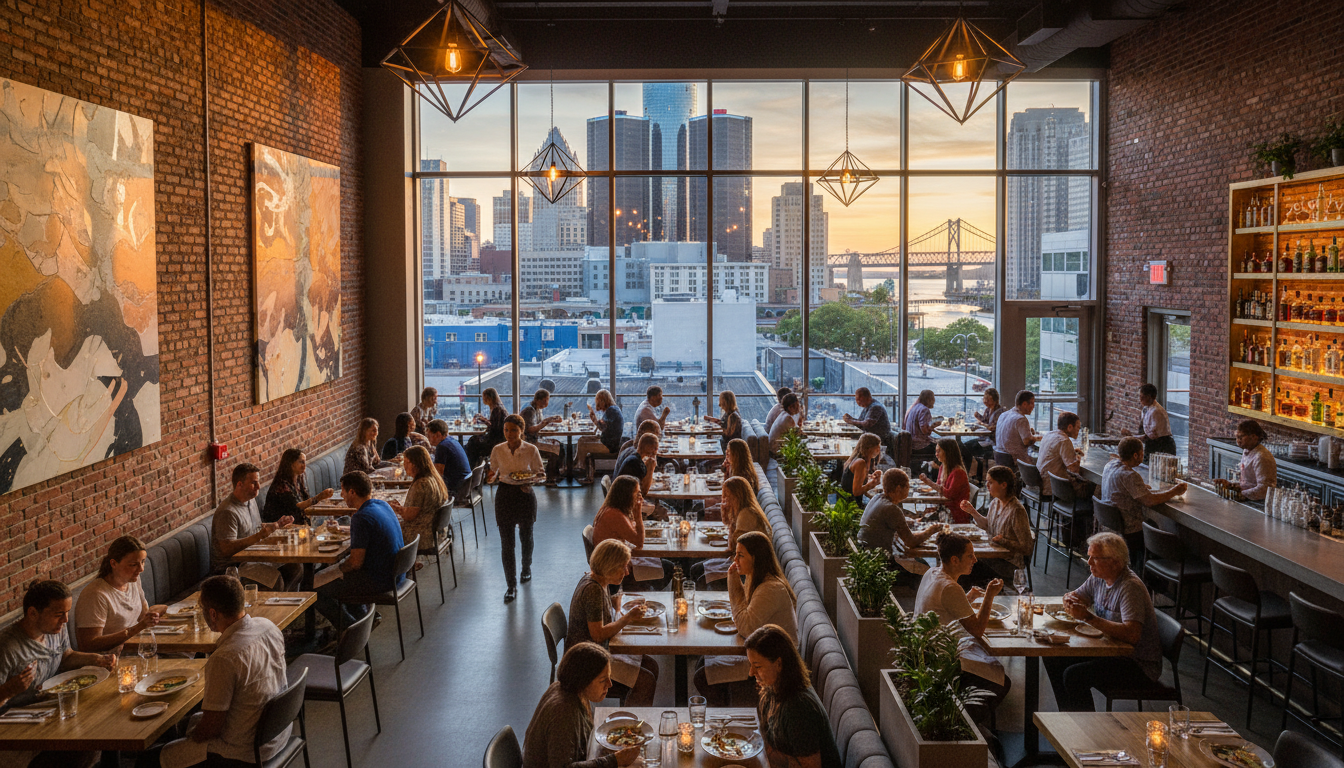
Detroit is currently experiencing a significant expansion in its dining landscape, with dozens of new establishments opening their doors in the first half of 2024. From upscale eateries in the downtown core to community-focused bistros in the outer neighborhoods, the city’s culinary momentum is serving as a primary driver for local economic recovery. This surge in Detroit restaurants is not merely a trend in hospitality but a reflection of broader urban development and investor confidence in the city’s commercial corridors.
A Growing Culinary Footprint
Data from the Michigan Restaurant and Lodging Association (MRLA) indicates that the hospitality sector remains one of the state’s largest employers, and Detroit is seeing a disproportionate share of new business starts within the industry. According to recent reporting from the Michigan Restaurant & Lodging Foundation, the resilience of the local hospitality market has outperformed initial post-pandemic projections, bolstered by a return to office work in the city center and a renewed interest in experiential dining.
The current growth is characterized by a diversification of the food scene. While the city has long been known for its iconic Coney Islands and soul food staples, the new wave of openings includes a heavy emphasis on international flavors, farm-to-table concepts, and high-concept cocktail bars. This variety is attracting a wider demographic of diners, including regional tourists and suburban residents who are returning to the city for dining Detroit experiences that cannot be found elsewhere in the metro area.
Impact on Detroit Residents and Local Jobs
The proliferation of new openings provides more than just a place to eat; it creates a vital economic engine for neighborhood residents. The hospitality industry is a significant source of entry-level employment and management opportunities. Many of these new establishments participate in local hiring initiatives, ensuring that the jobs created by the local food movement stay within the community.
Beyond employment, these restaurants act as “third places”—essential community hubs that encourage foot traffic and improve neighborhood safety. When a new restaurant opens on a previously vacant corner in neighborhoods like Livernois or Jefferson-Chalmers, it often leads to increased investment in adjacent storefronts. This phenomenon, often called the “amenity effect,” has been a cornerstone of the city’s strategy to revitalize commercial districts outside of the immediate downtown area.
Support from City Programs
The City of Detroit has played a direct role in fostering this growth through programs like Motor City Match. According to the Detroit Economic Growth Corporation (DEGC), several of the most anticipated Detroit restaurants opening this year received grants and technical assistance to navigate the complexities of site selection and permitting. This support system has been particularly instrumental for minority-owned businesses, which have historically faced barriers to accessing capital in the hospitality sector.
Background & Data on the Food Scene
The current boom is supported by a steady increase in consumer spending within the city limits. According to reports from the U.S. Bureau of Labor Statistics, spending on food away from home has seen a consistent uptick, even as inflation has impacted other sectors of the economy. In Detroit, this is evidenced by the high occupancy rates of new mixed-use developments that feature ground-floor retail and restaurant space.
Previous reporting on Detroit business growth has highlighted how the city’s infrastructure improvements, such as enhanced streetlighting and sidewalk repairs, have made it easier for restaurateurs to invest in neighborhood locations. This is further complemented by neighborhood development initiatives that prioritize walkable, high-density residential areas that provide a built-in customer base for new eateries.
Navigating Industry Challenges
Despite the optimistic outlook, the Detroit restaurants community faces ongoing challenges. Labor shortages and the rising cost of ingredients continue to put pressure on profit margins. Industry analysts note that while new openings are at a high, the long-term sustainability of these businesses depends on their ability to adapt to a changing economic environment. Many owners are turning to innovative service models, such as hybrid fast-casual setups or expanded outdoor seating, to mitigate overhead costs.
Local business owners have noted that the city’s regulatory environment has become more streamlined in recent years, though some still point to the need for faster processing of liquor licenses and health inspections to keep pace with the demand for dining Detroit options.
What Happens Next for Detroit Dining
As we look toward the remainder of the year, the pipeline for new restaurant projects remains robust. Several high-profile developments, including the redevelopment of the Michigan Central district and the expansion of the District Detroit, are expected to anchor a new wave of culinary investments. The integration of local food into these major projects ensures that Detroit’s identity remains central to its modern growth.
City officials and industry leaders expect that the continued success of the food scene will serve as a bellwether for the overall health of the city’s economy. As long as Detroit continues to attract creative talent and investment capital, its reputation as a premier destination for dining Detroit is likely to grow, further cementing its status as a top-tier American culinary city.