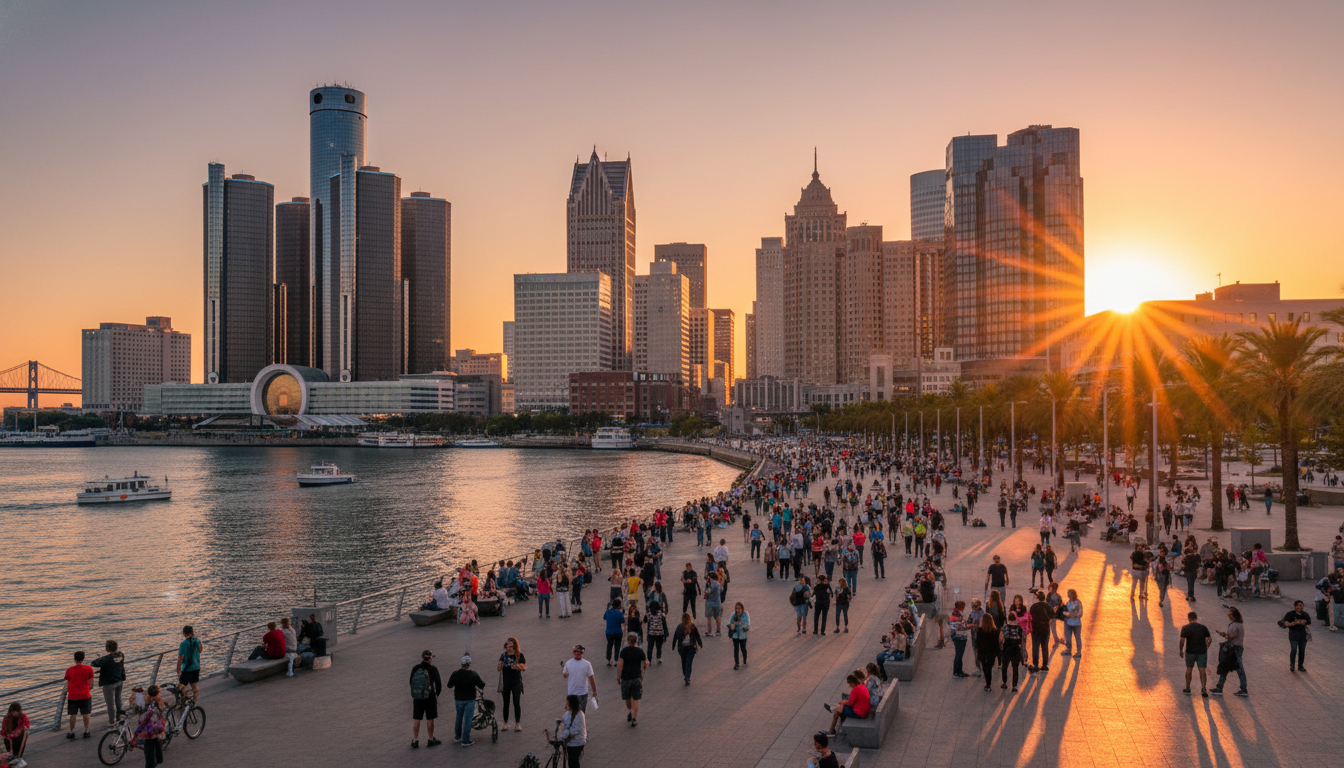
New data released for the first half of 2026 indicates that the Detroit tourism industry has not only recovered to pre-pandemic levels but is now entering a phase of sustained growth. According to the latest reports from Visit Detroit, the city’s official convention and visitors bureau, hotel occupancy rates across the metropolitan area have reached their highest points in over a decade, driven by a robust calendar of conventions, sporting events, and a resurgence in international travel.
A Data-Driven Resurgence
The momentum behind Detroit tourism is backed by significant statistical gains. Data from the Michigan Economic Development Corporation (MEDC) suggests that the hospitality sector in Southeast Michigan saw a 7% increase in year-over-year visitor spending through the second quarter of 2026. This growth is largely attributed to the city’s successful hosting of major national events, which have served as a catalyst for long-term interest in the region.
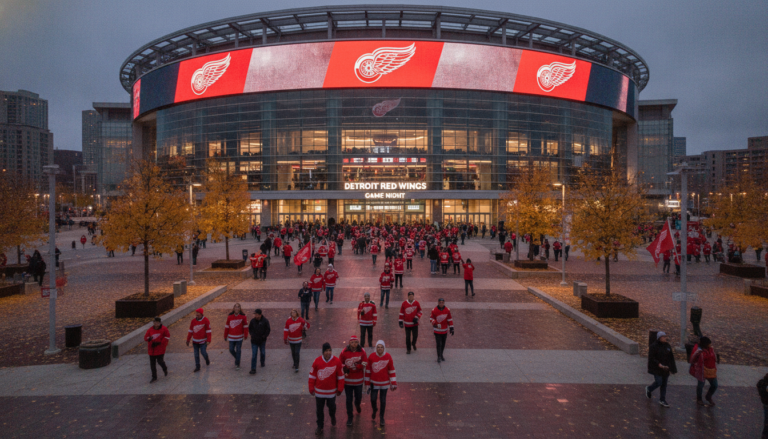
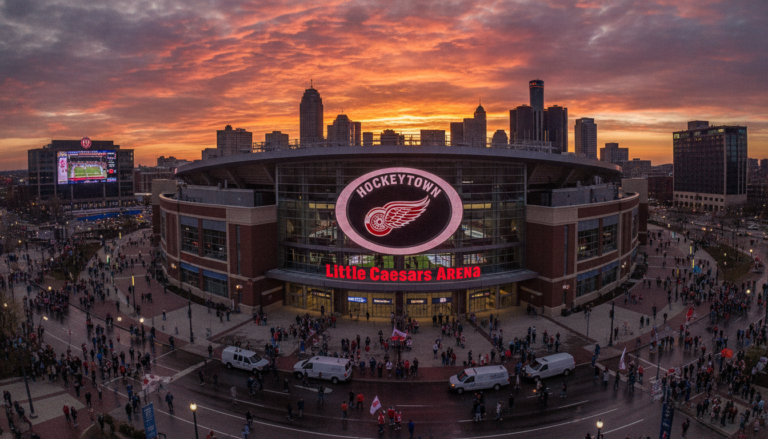
Reflecting on the progress, industry analysts point to the lasting impact of the 2024 NFL Draft and subsequent large-scale gatherings at Huntington Place. “The narrative surrounding Detroit has shifted significantly on the national stage,” a representative from the Detroit Economic Growth Corporation noted during a recent city council briefing. “We are seeing a trend where visitors who first came for a specific event are now returning for leisure trips, exploring our cultural institutions and neighborhood corridors.”
Impact on Detroit Residents and Local Workers
For Detroiters, the flourishing tourism sector translates into more than just crowded sidewalks downtown. The industry is a critical engine for local employment. According to the Bureau of Labor Statistics, hospitality and leisure jobs in the Detroit-Warren-Dearborn MSA have seen a steady 4.5% annual increase, providing thousands of entry-level and management opportunities for residents. Furthermore, the tax revenue generated from hotel stays and visitor spending directly supports the city’s general fund, which finances essential services such as public lighting, road repairs, and park maintenance.
Neighborhoods outside of the central business district are also beginning to feel the ripple effects. Areas like Corktown, Midtown, and the North End have seen an uptick in foot traffic as tourists seek out authentic local experiences. This decentralized growth helps sustain small businesses, from independent boutiques to family-owned restaurants that were previously reliant solely on local clientele.
The Role of New Infrastructure and Hotel Development
The physical landscape of the city is evolving to meet this increased demand. Several high-profile hotel projects that broke ground in 2024 and 2025 have officially opened their doors in 2026. The completion of the luxury hotel at the Hudson’s site and the expansion of boutique offerings in the West Village have added hundreds of rooms to the city’s inventory, allowing Detroit to compete for larger international conventions that were previously out of reach due to capacity constraints.
Transportation improvements have also played a role in the travel recovery. Enhanced connectivity through Detroit Metropolitan Airport (DTW), which recently updated its international terminal facilities, has made the city more accessible to European and Asian markets. Locally, the continued refinement of the QLine and expanded bus routes have made it easier for visitors to navigate between the riverfront and the cultural center without the need for a rental car.
Michigan Tourism Context
Detroit’s success is a centerpiece of a broader trend within Michigan tourism. As more travelers opt for “Great Lakes” vacations over traditional coastal destinations, Michigan has positioned itself as a premier four-season destination. State-level initiatives like the “Pure Michigan” campaign have increasingly highlighted Detroit’s urban renaissance alongside the state’s natural beauty, creating a holistic travel package that appeals to a diverse demographic.
A report from Michigan.org highlights that the synergy between Detroit’s urban core and the state’s outdoor recreation opportunities is a primary driver for extended stays. Visitors are now more likely to spend three days in the city before heading north, boosting the overall economic impact across the state line.
Challenges and the Road Ahead
Despite the positive trajectory, challenges remain for the Detroit tourism sector. Rising operational costs for hotels and the ongoing need for a highly skilled hospitality workforce are top concerns for industry leaders. There is also a concerted effort by the city government to ensure that the benefits of tourism are equitably distributed, preventing the displacement of long-term residents in rapidly developing areas.
Looking toward the remainder of 2026 and into 2027, the focus is expected to shift toward sustainable tourism. According to the City of Detroit’s planning department, upcoming initiatives will focus on greening the hospitality sector and promoting eco-friendly transit options for visitors. For more information on local developments, readers can explore our previous coverage on economic development and neighborhood revitalization.
What Happens Next
As Detroit prepares to host several major international conferences in the coming months, the city’s infrastructure will be put to the test once again. However, the data from the first half of 2026 provides a confident outlook. With a record-breaking summer season in the books and a strong holiday booking forecast, the Detroit tourism industry appears to have moved beyond mere recovery and into a new era of prosperity.