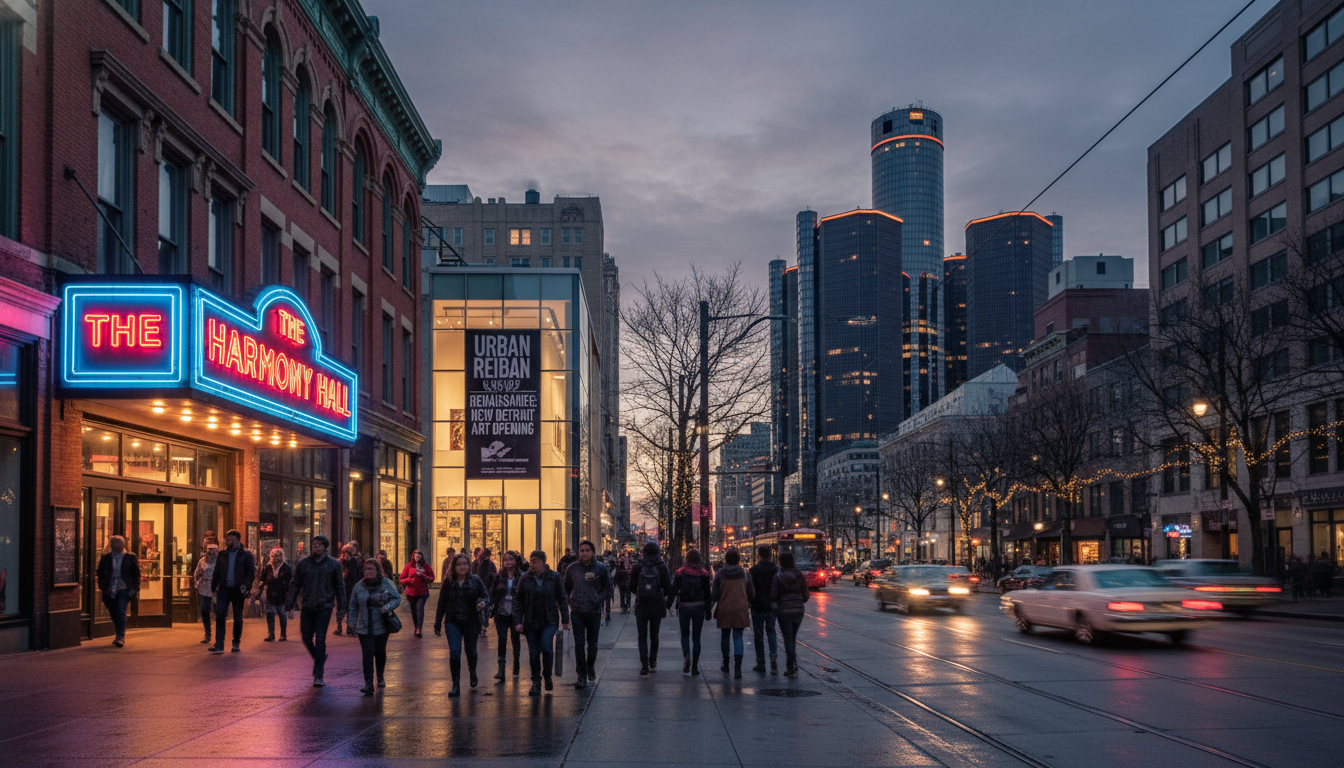
The City of Detroit continues to experience a significant revitalization in its arts and entertainment sectors, with this week’s calendar reflecting a diverse array of Detroit events that bridge the gap between historic preservation and modern innovation. As local organizers prepare for an influx of visitors, the intersection of culture and commerce has become a focal point for city officials and neighborhood advocates alike. From high-profile art exhibitions to the intimate nightlife of the city’s historic districts, the current landscape offers a comprehensive look at the city’s post-pandemic recovery and its commitment to public programming.
The Economic Drivers of Metro Detroit Events
The surge in activities across metro Detroit is not merely a social phenomenon but a critical component of the local economy. According to the Michigan Economic Development Corporation (MEDC), investments in place-based projects and community-focused events have contributed significantly to the region’s foot traffic, benefiting small businesses and service workers in the downtown and Midtown corridors. This week, several large-scale art exhibitions are slated to draw crowds, reinforcing Detroit’s status as a UNESCO City of Design.
A spokesperson for the Detroit Department of Cultural Affairs noted that the coordination of music festivals and gallery openings is part of a broader strategy to stabilize neighborhood economies. By distributing these things to do across various districts, the city aims to ensure that the economic benefits of tourism and local spending reach beyond the immediate downtown core. This strategy is evident in the rise of ‘hidden gems’—smaller, independent venues in areas like the North End and Southwest Detroit that are hosting significant cultural events this week.
Art Exhibitions and Public Installations
Leading the week’s cultural offerings is a series of new art exhibitions that highlight both international talent and local voices. The Detroit Institute of Arts (DIA) continues its commitment to community engagement with specialized tours, but the real story lies in the smaller galleries. The African American 400 Years of History Commission has previously highlighted Detroit as a pivotal site for cultural preservation, and this week’s gallery shows in the Avenue of Fashion district continue that legacy. These exhibitions serve as vital markers of the city’s history, attracting collectors and educators from across the country.
In addition to traditional indoor spaces, public art installations are seeing increased visibility. The City of Detroit’s ‘City Walls’ program has recently expanded, and several new murals are scheduled for unveiling this week. These projects are often cited by urban planners as essential for improving the quality of life for residents while simultaneously creating natural points of interest for visitors exploring the city’s diverse neighborhoods.
Live Music and the Evolution of Detroit Nightlife
The Detroit music scene remains one of the most robust in the nation, with this week featuring a blend of jazz, techno, and indie rock. Historical venues, some of which have undergone recent renovations, are reporting record-breaking ticket sales for midweek performances. This trend aligns with data from the U.S. Bureau of Labor Statistics, which has shown a steady increase in leisure and hospitality employment within the Detroit-Warren-Dearborn Metropolitan Statistical Area over the last quarter.
Nightlife in Detroit is evolving beyond the standard club scene. ‘Hidden gems’—speakeasies and artist-run spaces—are becoming the preferred destinations for those seeking a more authentic experience. Many of these venues are located in repurposed industrial buildings, a testament to the city’s architectural resilience. For residents, these spaces offer more than entertainment; they serve as community hubs that foster social cohesion and provide a platform for emerging local artists to reach a wider audience. This week, several of these venues are hosting multi-genre showcases that reflect the eclectic nature of the city’s creative spirit.
Impact on Detroit Residents
For long-time Detroiters, the proliferation of weekly events brings both opportunities and challenges. On the positive side, the increase in neighborhood-based programming has made high-quality arts and music more accessible to those living outside the city center. Local business owners in areas like Corktown and the Villages report that the uptick in nightlife and cultural activity has led to increased evening security and better-maintained public spaces. You can read more about neighborhood development initiatives to understand how these changes are being managed by community leaders.
However, the rapid growth of the events sector also sparks discussions regarding affordability and gentrification. As certain areas become more popular for their things to do, housing costs in those vicinities often rise. City council members have addressed these concerns by emphasizing the need for inclusive growth, ensuring that new developments and event spaces do not displace the residents who have anchored these neighborhoods for decades. The focus remains on creating a sustainable model where culture and community can thrive in tandem.
Background and Statistical Trends
Historical data from the Southeast Michigan Council of Governments (SEMCOG) indicates that cultural tourism accounts for a substantial portion of non-work-related travel in the region. The synergy between art exhibitions and the local culinary scene is a primary driver of this trend. Many of the Detroit events scheduled for this week are paired with pop-up dining experiences, showcasing the city’s burgeoning reputation as a food destination. According to recent reports on the local economy, the hospitality sector is one of the fastest-growing industries in the city, fueled largely by the weekend and evening event crowds.
Furthermore, the U.S. Census Bureau’s recent surveys on community participation suggest that Detroiters are more likely to engage in local arts activities than the national average. This high level of civic engagement is what makes the Detroit market so attractive to event organizers and artists. The deep-rooted connection between the city’s residents and its cultural output ensures that even the most niche events have a dedicated following.
What Happens Next
Looking ahead, the city is preparing for a transition into the busy fall season. The success of this week’s events will likely serve as a bellwether for the upcoming festivals and major conventions slated for later this year. Officials from the Detroit Metro Convention & Visitors Bureau are optimistic that the current momentum will continue to build, further solidifying the city’s reputation as a premier destination for arts and entertainment.
As Detroit continues to reinvent its public image, the focus will remain on authenticity and inclusion. For more information on official city schedules and safety guidelines for public gatherings, residents and visitors are encouraged to visit the official City of Detroit website. Whether it is through a world-class art exhibition or a local music showcase, the city’s ability to tell its own story through its cultural offerings remains its greatest strength.