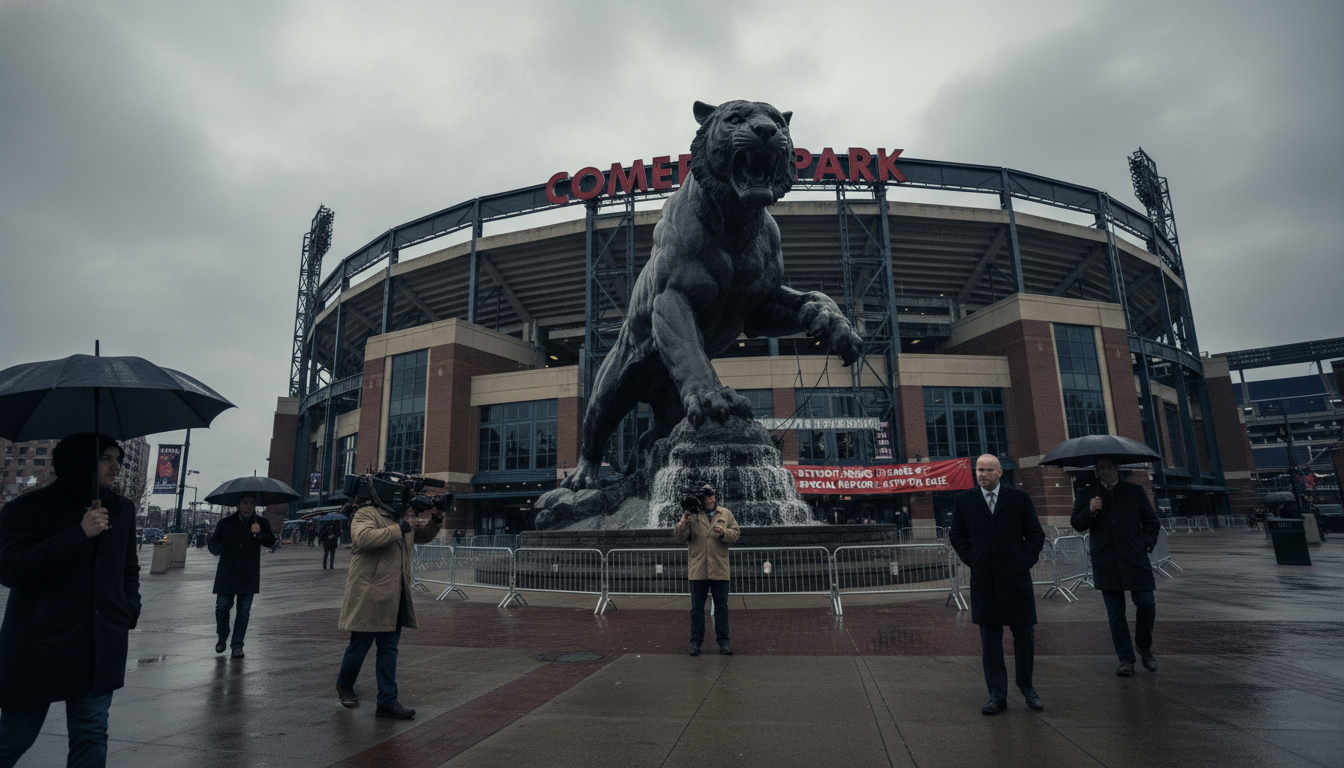
In the wake of one of the most improbable postseason runs in recent Major League Baseball history, the Detroit Tigers organization is facing a different kind of intensity from its fanbase. Following a surge of ‘Gritty Detroit’ pride that saw Comerica Park reach capacity during the American League Division Series, the team’s latest administrative decision regarding 2025 ticket pricing has left many long-term supporters feeling sidelined.
The Details of the Detroit Tigers Ticket Prices Increase
According to reports from season ticket holders and local sports analysts, the Detroit Tigers have implemented significant price increases for the 2025 season. For many in the ‘1901 Society’—the team’s official season ticket membership—the price jumps range from 20% to as high as 40% in certain sections of Comerica Park. This decision comes immediately after the Tigers ended a decade-long playoff drought, a move that critics argue capitalizes on fan loyalty at a sensitive economic time for the city.
Data shared by fans with the Detroit Free Press indicates that seats in the lower bowl and baseline boxes saw some of the steepest climbs. While the organization has pointed toward increased investments in the roster and stadium amenities as justification, the timing has struck a chord with a fanbase that supported the team through multiple 90-loss seasons over the last eight years. Reports from DetroitCityNews.com suggest that the sports economy in downtown Detroit often fluctuates with team performance, but such a sharp year-over-year increase is rare even for playoff contenders.
Impact on Detroit Residents and Families
The decision to raise Detroit Tigers ticket prices has a direct impact on the accessibility of professional sports for local residents. Detroit has long prided itself on being a ‘blue-collar’ sports town where a family could afford a day at the ballpark. However, with the cumulative cost of parking, concessions, and now increased base ticket prices, the cost of attendance is moving out of reach for many middle-income households.
Local business owners near the District Detroit development have expressed mixed feelings. While a successful team brings more foot traffic to bars and restaurants on Woodward Avenue, there is a lingering concern that if the average fan is priced out of the stadium, the overall atmosphere that fueled the 2024 ‘Tiger Mania’ could diminish. For residents living in neighborhoods like Corktown or Midtown, the Tigers have historically been the most affordable professional sports ticket in town compared to the Lions or Red Wings, but that gap is rapidly closing.
Comparative Market Data
When looking at the broader landscape of Major League Baseball, the Tigers have historically landed in the middle of the pack for the ‘Fan Cost Index.’ According to historical data from Team Marketing Report, the cost for a family of four to attend a game in Detroit has remained below the league average for the past five years. However, the projected 2025 Detroit Tigers ticket prices could push the franchise into the upper tier of mid-market teams, a transition that usually requires sustained winning seasons to justify.
Ownership and Organizational Justification
The Ilitch family, which owns the Tigers as well as the Detroit Red Wings, has remained relatively quiet regarding the specifics of the price hikes, though team representatives have cited the need to maintain a competitive payroll. According to Crain’s Detroit Business, the organization is looking to increase its baseball operations budget to retain key talent and potentially pursue high-profile free agents in the off-season. This strategy mirrors other successful franchises that use postseason momentum to bolster their financial flexibility.
Furthermore, the ongoing uncertainty surrounding regional sports networks—specifically the bankruptcy proceedings involving Diamond Sports Group (Bally Sports Detroit)—has put pressure on MLB teams to find more reliable revenue streams. With local television revenue in a state of flux, gate receipts and season ticket memberships have become even more critical to the bottom line of the front office.
The Future of Fan Engagement at Comerica Park
As the 2025 season approaches, the long-term impact of this decision on fan engagement remains to be seen. While the ‘fury’ expressed on social media and local sports talk radio is palpable, the team is banking on the fact that a winning product on the field will ultimately override concerns about the cost of entry. The team’s young core, led by Cy Young candidate Tarik Skubal and emerging stars like Riley Greene, continues to be a massive draw.
However, the organization risks alienating the very fans who stayed through the lean years. Previous reports on Comerica Park upgrades have highlighted the team’s efforts to modernize the stadium, including a new videoboard and revamped social spaces. Whether these physical improvements and a competitive roster are enough to offset the frustration over Detroit Tigers ticket prices will be the primary story of the upcoming spring training season.
What Happens Next
The Tigers are expected to announce their full 2025 promotional schedule and single-game ticket sales dates in the coming months. Fans who are unable to commit to full-season packages are already looking toward multi-game ‘flex’ plans as a potential way to mitigate the rising costs. Meanwhile, local advocacy groups continue to monitor how development in the stadium district affects the broader Detroit community, ensuring that the city’s sports culture remains inclusive of all its residents.
For now, the ball is in the fans’ court. The renewal rate for season tickets in the fourth quarter of 2024 will be the first real indicator of whether the Tigers’ latest decision is a sustainable business move or a significant miscalculation of fan loyalty.