The Detroit Red Wings are currently navigating one of the most complex phases of their decade-long rebuilding effort. While the team has shown flashes of competitive brilliance under General Manager Steve Yzerman, a looming structural hurdle in the Detroit Red Wings 2026 NHL Draft strategy is beginning to draw concern from analysts and local stakeholders alike. As the franchise attempts to transition from a perennial lottery team to a legitimate Stanley Cup contender, the margin for error in asset management has narrowed significantly, creating what some league observers call a ‘prospect cliff’ that could stall the city’s sports-led economic momentum.
The ‘Middle-Ground’ Trap and the 2026 Bottleneck
According to reporting from professional scouting circles and data analyzed by outlets like The Athletic, the Red Wings’ pipeline is currently ranked among the league’s top ten, but the graduation of top-tier prospects into the professional ranks creates a vacuum in the mid-term future. The Detroit Red Wings 2026 NHL Draft is widely viewed by scouts as a generational pivot point, featuring a high concentration of elite talent at the top of the board. However, the Red Wings are currently projected to fall into the NHL’s dreaded purgatory zone—finishing just outside the playoffs but too high in the standings to secure a franchise-altering talent in the lottery. This creates a critical problem for Yzerman, who has historically preferred building through high-value draft capital rather than aggressive free-agent spending that could jeopardize the team’s long-term salary cap health.
Data from the NHL Scouting Bureau indicates that teams that fail to secure a top-five talent within a specific window of their rebuild often face an additional five to seven years of mediocrity. For a franchise that has already missed the postseason for eight consecutive seasons, the 2026 cycle represents a deadline for roster stability. As the current veteran core ages, the lack of a clear ‘superstar’ path in the upcoming draft classes remains a focal point of concern for the front office. The organization must decide whether to weaponize existing assets to move up in the draft or risk entering the 2026 season with a roster that is good enough to compete but lacks the elite ceiling required for a championship run.
Impact on Detroit Residents and the Local Economy
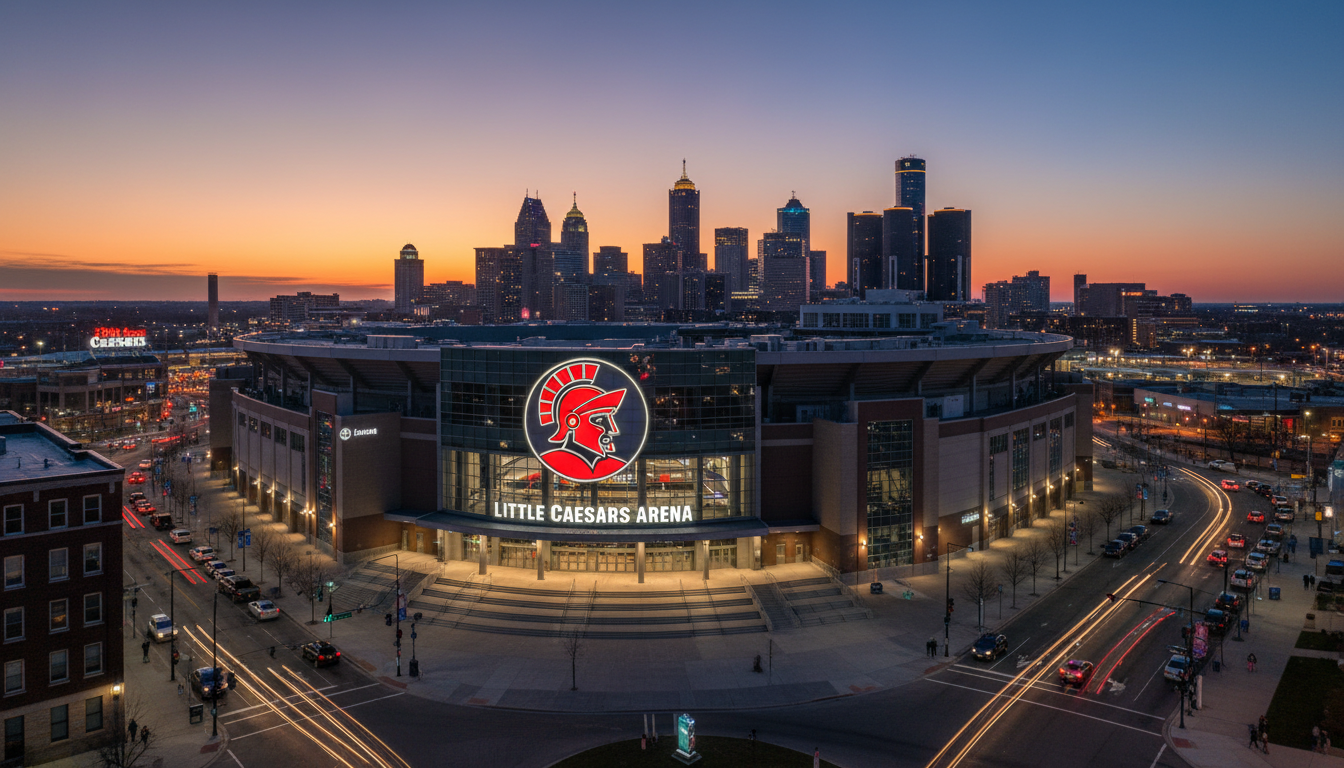
The stakes of the Red Wings’ success extend far beyond the ice at Little Caesars Arena. For Detroit residents and the local economy, the health of the franchise is a primary driver of foot traffic in the Midtown and Downtown areas. Data from the Detroit Economic Growth Corporation suggests that a playoff-bound Red Wings team generates millions in additional quarterly revenue for local businesses, including restaurants, parking structures, and retail outlets. A stalled rebuild, potentially exacerbated by a lack of elite reinforcements in the Detroit Red Wings 2026 NHL Draft cycle, could dampen the revitalization efforts seen in the District Detroit area.
As noted in our previous coverage of the District Detroit development impact, the synergy between sports success and urban renewal is vital for the city’s tax base. When the team underperforms, the surrounding hospitality sector feels the impact. Local business owners in the Woodward corridor have expressed that game-night revenue is essential for maintaining staffing levels throughout the lean winter months. A prolonged period of ‘rebuild fatigue’ could lead to diminished season ticket sales and lower attendance, which directly affects the municipal bonds used to support the arena’s infrastructure. Furthermore, the Detroit sports economic recovery hinges on all four major teams performing at a level that justifies the high cost of stadium-adjacent living for new residents moving into the city’s core.
Historical Context and Scouting Trends
The Detroit Free Press has noted that Steve Yzerman’s ‘Yzer-plan’ has been characterized by extreme patience, a trait that is now being tested by the realities of the NHL’s Atlantic Division arms race. Rival teams like the Florida Panthers and Ottawa Senators have navigated similar draft-dependent crossroads with varying degrees of success. According to the City of Detroit’s recent report on recreational land use and entertainment districts, the Red Wings remain the single largest indoor draw for the city, making their long-term viability a matter of public interest. The concern regarding the 2026 draft is rooted in the quality of the ‘second wave’ of prospects. While the 2023 and 2024 classes provided solid depth, the 2026 class is expected to feature elite offensive talents that the Red Wings currently lack in their system.
Scouting experts from various national publications have highlighted that the 2026 draft class, headlined by phenoms currently in the Canadian junior leagues, will be the most top-heavy in a decade. If the Red Wings finish the 2024-2025 season as a bubble team, they will likely hold a pick in the 14-18 range in 2026, missing the ‘blue-chip’ tier of players. This has led to speculation that Yzerman may need to pursue a ‘bridge’ strategy—trading current draft picks for established players under the age of 25—to ensure the team does not regress when current veterans like Patrick Kane or Dylan Larkin begin to decline. For more in-depth analysis on roster moves, fans often look to the Detroit Free Press sports section for updates on front-office maneuvers.
What Happens Next for the Red Wings
The future outlook for the organization depends on their performance over the next 18 months leading up to the Detroit Red Wings 2026 NHL Draft. The front office is expected to remain conservative during the trade deadline, preserving as much draft capital as possible to keep their options open. However, if the team remains in the middle of the standings by the end of 2025, the pressure from the fanbase and the city’s economic stakeholders may force a change in philosophy. The goal is to avoid the fate of other ‘legacy’ franchises that stayed too competitive to draft high, but not competitive enough to win, leading to decades of stagnation.
Ultimately, the Detroit Red Wings 2026 NHL Draft problem is a symptom of a larger challenge: how to build a champion in the modern salary cap era without a guaranteed top-three pick. As the city of Detroit continues its broader economic comeback, the Red Wings’ ability to solve this puzzle will be a defining chapter in the city’s modern sports history. Residents and fans alike will be watching closely as the team approaches this critical strategic crossroads, hoping that the ‘Yzer-plan’ has one more masterstroke in store to secure the franchise’s fifth decade of dominance.