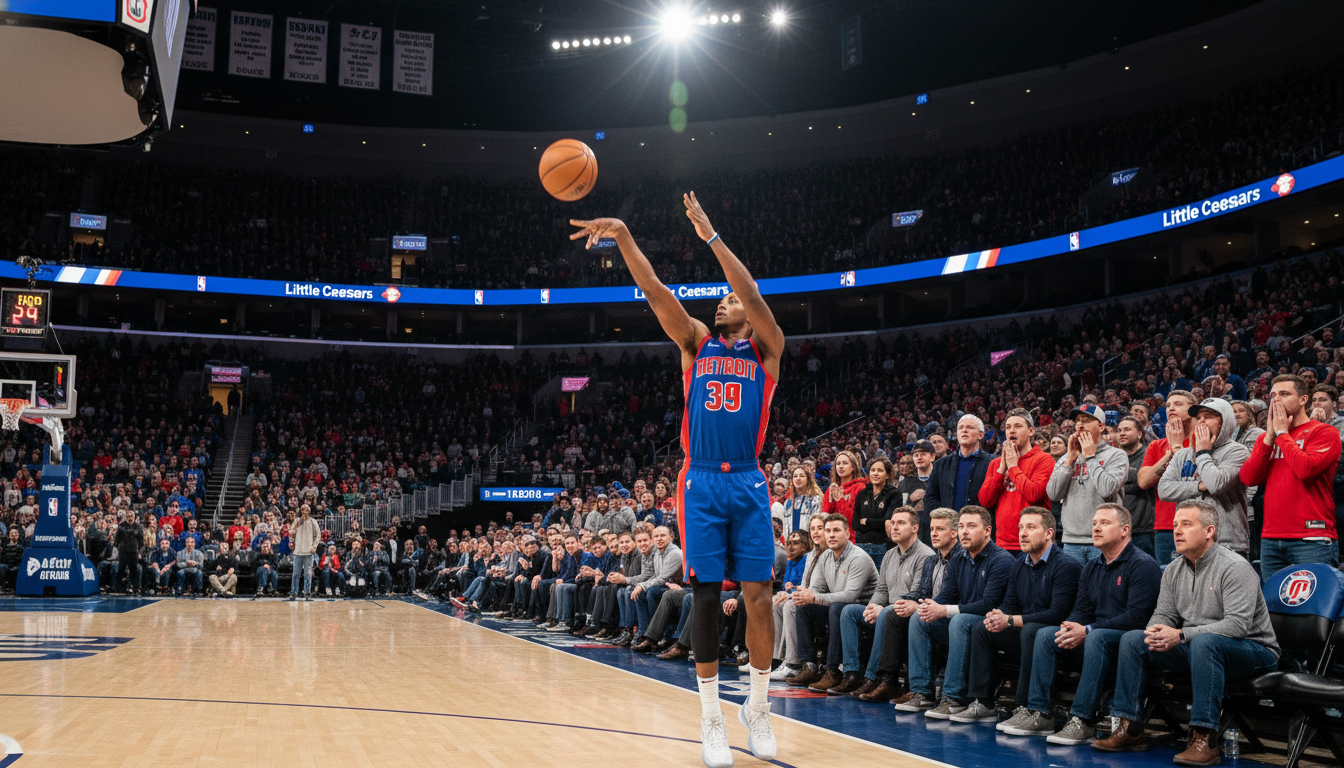
The atmosphere inside Little Caesars Arena has shifted from cautious optimism to a familiar sense of anxiety as the Detroit Pistons grapple with the recent injury status of their primary veteran floor spacers. For a franchise that has spent the better part of the last decade searching for consistent outside shooting, any disruption to the current rotation carries significant weight, not just for the win-loss column but for the overall development of the team’s young core.
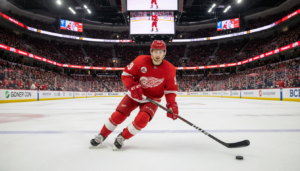
As the NBA season progresses into its most grueling stretch, the Detroit Pistons sharpshooter injury situation has become a central talking point for fans and analysts alike. The team, which has shown flashes of defensive identity under head coach J.B. Bickerstaff, remains precarious in its offensive execution when veteran shooting is removed from the equation. According to official team injury reports, the management of veteran workloads has become a top priority to prevent long-term absences that could derail the progress made during the first half of the season.
The Strategic Importance of Veteran Perimeter Threats
In the modern NBA, floor spacing is not merely a luxury; it is a necessity for survival. For the Detroit Pistons, players like Tim Hardaway Jr. and Malik Beasley were brought in specifically to provide the gravity needed to open up driving lanes for Cade Cunningham and Jaden Ivey. When these veterans are sidelined, the court shrinks, allowing opposing defenses to collapse on Detroit’s young playmakers.
Data from the NBA’s official tracking statistics indicates a noticeable dip in the Pistons’ offensive rating when their primary sharpshooters are off the floor. The gravity provided by a consistent outside threat forces defenders to stay attached to the perimeter, a dynamic that disappears when the team is forced to rely on less experienced shooters. Head Coach J.B. Bickerstaff addressed the media recently, noting that while the team emphasizes a ‘next man up’ mentality, the veteran leadership and poise provided by their seasoned shooters are difficult to replicate through sheer effort alone.
Impact on Detroit Residents and Local Fanbase
The health of the Pistons roster has a direct correlation with fan engagement and the local economy within District Detroit. For many residents, the resurgence of the Pistons represents a broader revitalization of the city’s sports culture. When the team is competitive and healthy, foot traffic in the bars and restaurants surrounding the Woodward Avenue corridor increases significantly on game nights.
Local business owners in the Midtown and Downtown areas have noted that the ‘Cunningham era’ has brought a younger, more energetic demographic to the city center. However, the Detroit Pistons sharpshooter injury concerns often lead to a more somber tone among the faithful who gather at local establishments. For a city that prides itself on ‘Detroit Basketball’—a brand built on toughness and resilience—seeing the team’s momentum stalled by health issues is a recurring frustration. The connectivity between the team’s success and the vibrancy of the surrounding neighborhood development projects remains a key narrative in the city’s ongoing growth.
Analyzing the Depth Chart and Injury Logistics
According to reports from the Detroit Free Press and other local media outlets, the Pistons medical staff has been taking a conservative approach to player recovery. This ‘rest and recovery’ protocol is designed to ensure that minor strains do not evolve into season-ending surgeries. While this is a sound long-term strategy, it leaves the team vulnerable in the short term, especially during high-stakes matchups against Eastern Conference rivals.
The current injury status involves monitoring soft-tissue concerns and joint stability, which are common for players who log high minutes in a high-intensity defensive system. The challenge for the front office is balancing the desire to remain competitive in the play-in race with the biological realities of an 82-game season. In previous years, the Pistons’ rebuild strategy often prioritized high lottery odds, but the 2024-2025 campaign has been focused on establishing a winning culture, making every player’s health status critical to the mission.
Background and Historical Context
The Pistons have historically struggled with shooting depth. Since the departure of franchise icons, the team has cycled through various roster constructions in an attempt to find a balance between interior defense and perimeter scoring. The current roster was constructed with the specific intent of mitigating the spacing issues that plagued the team during the previous three seasons. According to data provided by the U.S. Census Bureau regarding Detroit’s demographic shifts, the city’s population is increasingly looking for high-quality local entertainment options, and a winning basketball team is at the top of that list.
When the Detroit Pistons sharpshooter injury reports surface, they serve as a reminder of how fragile the team’s current success can be. The margin for error in the Eastern Conference is razor-thin, and the loss of even one high-volume shooter can result in a three or four-game losing streak that changes the entire trajectory of the season.
What Happens Next: The Road to Recovery
Looking ahead, the Pistons face a challenging schedule that includes several back-to-back sets and long road trips. The medical staff will likely continue to utilize ‘load management’ strategies for their veteran sharpshooters to ensure they are available for the final push in April. Fans can expect to see more minutes for the team’s developmental players, who will be asked to step up and provide the missing production from the perimeter.
The ultimate goal for the organization remains a return to the postseason, but that goal is entirely dependent on the health of the roster. As the city continues to back its team, the hope is that the current Detroit Pistons sharpshooter injury status is merely a temporary hurdle rather than a permanent setback. The resilience of the team mirrors the resilience of Detroit itself, a city that knows how to bounce back from adversity and emerge stronger on the other side.