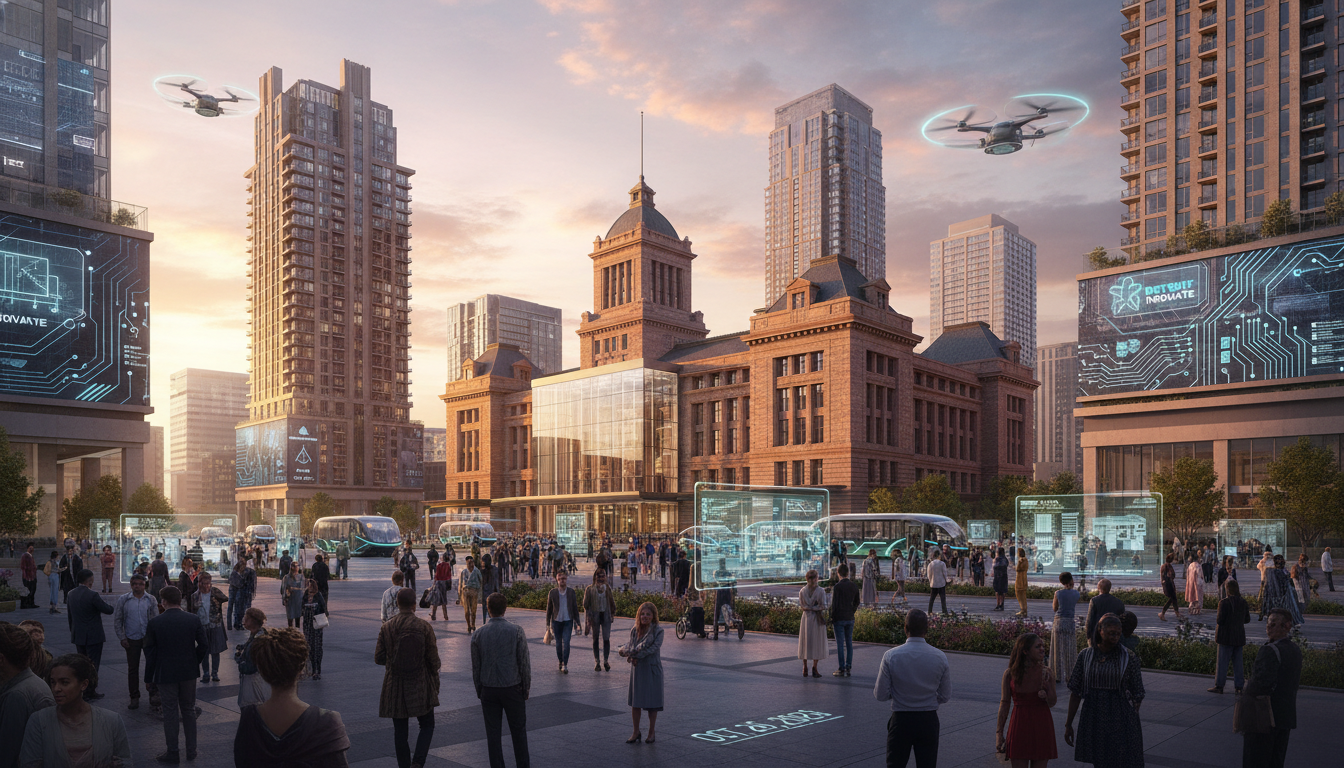
In 2026, the Detroit startup scene is no longer defined solely by its proximity to the traditional automotive industry. Instead, a sprawling ecosystem of mobility-tech, fintech, and sustainable energy ventures has cemented the city’s reputation as a global leader in urban innovation. What started as a revitalization effort a decade ago has matured into a robust economic engine, drawing talent from established tech corridors in Silicon Valley and New York to the more affordable, grit-driven landscape of Southeast Michigan.
The Hub of Innovation Detroit
At the center of this transformation is Michigan Central, the once-abandoned train station in Corktown that has become the definitive pulse of innovation Detroit. By early 2026, the district has expanded beyond its original scope, housing more than 150 startups focused on everything from autonomous delivery drones to advanced battery chemistry. According to recent reporting from the Michigan Economic Development Corporation (MEDC), the state has seen a 22% year-over-year increase in venture capital deployment specifically within the Detroit city limits.
These tech companies Detroit are leveraging the city’s unique infrastructure. For example, the R&D corridors along Michigan Avenue allow startups to test cellular vehicle-to-everything (C-V2X) technology in real-time urban environments. This practical application of technology has made Detroit a preferred destination for international firms looking to pilot smart city solutions before scaling them globally. This trend is visible in the ongoing infrastructure projects across the city, which now integrate digital twin technology into basic road maintenance.
Impact on Detroit Residents
The surge in Detroit startups 2026 is creating a tangible shift in the local job market. While the technical nature of these roles often requires specialized degrees, a significant portion of the ecosystem is dedicated to workforce development. Programs initiated by the City of Detroit’s Office of Mobility Innovation have partnered with community colleges to create certification paths for residents in high-demand fields like EV maintenance and software testing.
Local business owners in neighborhoods like Corktown and Southwest Detroit have noted an increase in foot traffic and consumer spending. “The influx of young professionals working at Newlab and Michigan Central has changed our daily operations,” says one local restaurateur. “We aren’t just a weekend destination anymore; we are serving the people building the future of transportation every single day.” However, this growth also brings challenges, particularly regarding housing affordability. As Detroit’s economy diversifies, the city council has had to implement more aggressive inclusionary zoning policies to ensure that the people who helped build the city are not priced out by the tech boom.
Background & Data: The Growth of New Businesses Detroit
Data from the U.S. Census Bureau and the Bureau of Labor Statistics indicates that Detroit is among the top five midwestern cities for new business applications in 2025 and 2026. This isn’t limited to high-tech software firms; it includes a new wave of “clean manufacturing” facilities that produce the hardware necessary for a green economy. The Detroit Regional Partnership has highlighted that for every one high-tech job created in the startup sector, approximately 3.5 supporting jobs are generated in the surrounding service and logistics sectors.
Furthermore, the diversity of the startup ecosystem remains a point of pride. Detroit currently leads the nation in the percentage of tech companies founded by entrepreneurs of color, a metric bolstered by local incubators like TechTown Detroit and the Strategic Neighborhood Fund. These organizations provide the critical early-stage capital that traditional banks often overlook, ensuring that the new businesses Detroit is known for are as diverse as the city itself.
What Happens Next
Looking toward 2027, the focus is expected to shift toward large-scale commercialization. Many of the Detroit startups 2026 that are currently in the pilot phase are preparing for initial public offerings (IPOs) or major acquisitions by global tech giants. The Michigan Central district is also slated for a northward expansion, with plans to renovate additional historic structures into mixed-use tech incubators.
As the city continues to integrate tech into its DNA, the success of the startup scene will be measured not just by valuations, but by its ability to solve local problems. From improving public transit reliability through AI to reducing the carbon footprint of the city’s aging housing stock, the innovation Detroit is producing today is aimed directly at building a more resilient city for tomorrow. For more information on the state’s economic initiatives, residents can visit the official Michigan Economic Development Corporation website.