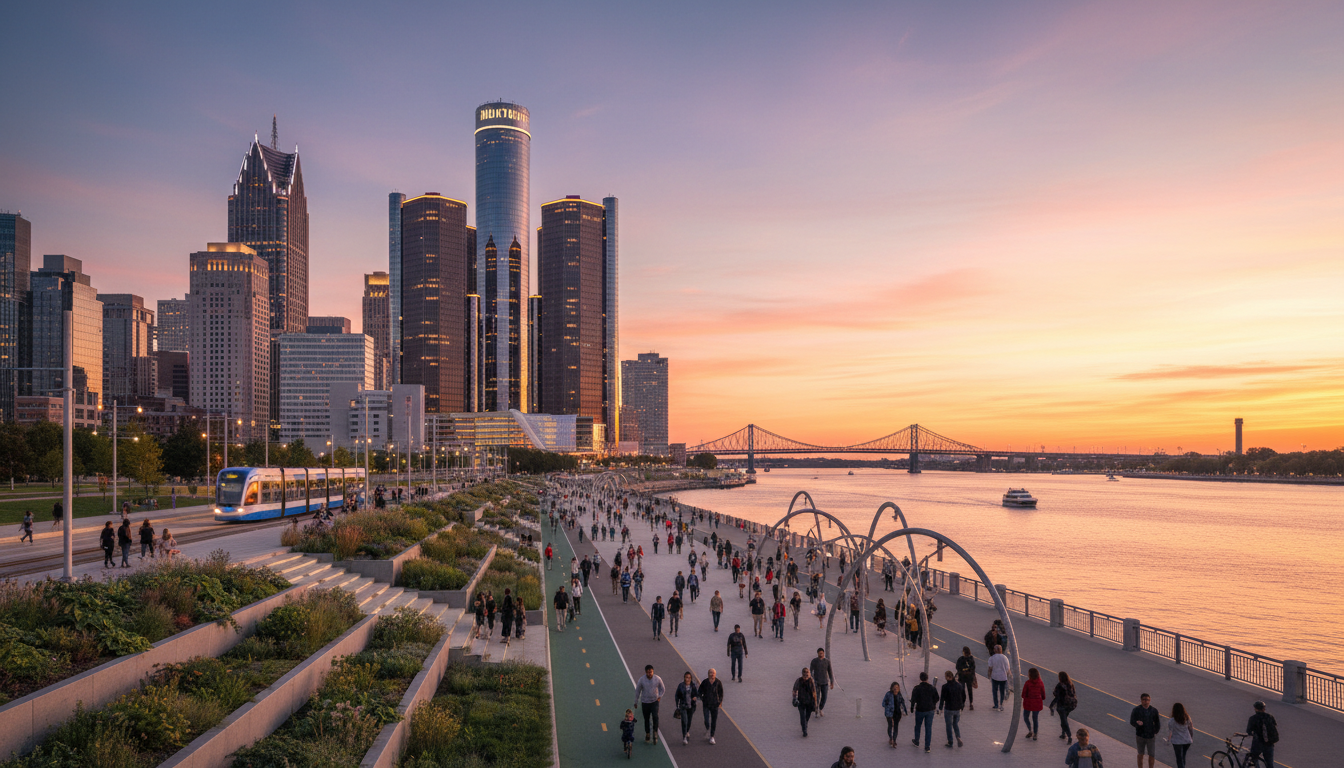
As the city of Detroit continues its trajectory of urban revitalization, city officials and economic development agencies are looking toward 2026 as a pivotal year for the region’s growth. Following the unprecedented success of major sporting events and large-scale infrastructure projects, the city is preparing for a surge in international visitors and the completion of several landmark developments. The focus is no longer just on recovery, but on a sustained economic boom that integrates neighborhood investment with high-profile tourism hubs.
The Evolution of Detroit Attractions and Infrastructure
Central to the 2026 outlook is the completion of major architectural projects that have been in the works for years. The Hudson’s Site development, led by Bedrock, is expected to be fully operational by then, offering a mix of luxury hospitality, high-end retail, and public spaces that are poised to redefine the downtown skyline. According to the City of Detroit Planning and Development Department, these projects are designed to create a 24-hour city environment that caters to both international tourists and local residents.
Furthermore, the Michigan Central Innovation District in Corktown is projected to reach its full capacity by 2026. This hub, centered around the restored Michigan Central Station, is not merely a tech center but a growing cultural destination. Local planners emphasize that the integration of green spaces, such as the Southwest Greenway and the expansion of the Joe Louis Greenway, will provide seamless connectivity for those seeking things to do in Detroit 2026 without relying solely on automotive transportation.
Impact on Detroit Residents and Local Businesses
For the residents of Detroit, the expansion of the tourism sector brings both opportunities and challenges. Data from the Detroit Economic Growth Corporation (DEGC) suggests that the influx of visitors expected for 2026 could generate thousands of seasonal and permanent jobs in the hospitality and service sectors. The city has initiated several programs aimed at ensuring that small business owners in neighborhoods outside the downtown core can also benefit from the tourism surge.
\”We are working to ensure that the economic benefits of our growing tourism industry reach the neighborhood level,\” a representative from the City of Detroit stated in a recent planning session. This includes grant programs for local restaurateurs and retail startups in areas like the Avenue of Fashion and the North End. However, some community advocates express concerns regarding the rising costs of living in areas adjacent to new developments, urging the city to maintain its commitment to affordable housing alongside its tourism goals.
Background and Data: The Shift in Detroit Tourism
The shift in how Detroit is perceived as a travel destination is backed by significant data. According to reports from Visit Detroit, the metropolitan area has seen a steady increase in hotel occupancy rates and visitor spending since 2022. The 2024 NFL Draft served as a successful proof-of-concept for the city’s ability to handle massive crowds, and the lessons learned from that event are being applied to the 2026 calendar.
The anticipated Detroit activities in 2026 are not limited to large-scale events. There is a growing trend of \”heritage tourism,\” where visitors seek authentic experiences at the Motown Museum—which will have completed its multi-million dollar expansion by then—and the Detroit Institute of Arts. This focus on cultural preservation is a key part of the city’s strategy to distinguish itself from other Midwestern markets. Internal reports at DetroitCityNews.com have previously highlighted the ongoing neighborhood development trends that are paving the way for these cultural shifts.
Transportation and Accessibility Improvements
A major component of making Detroit a premier destination in 2026 involves infrastructure. The Regional Transit Authority (RTA) and the Detroit Department of Transportation (DDOT) are currently evaluating several proposals to enhance transit frequency between the Detroit Metropolitan Airport and the downtown core. For many visitors, the ease of navigating Detroit attractions will depend on the reliability of these systems.
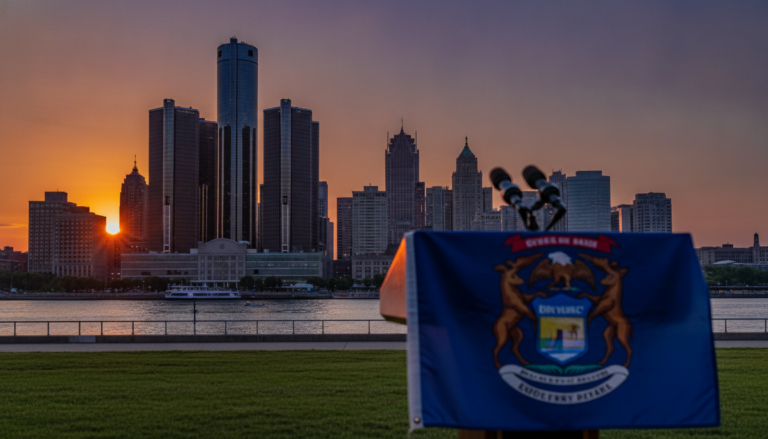
In addition to public transit, the city is continuing its investment in bike-friendly streets and pedestrian walkways. The Detroit Riverfront, consistently ranked as one of the best in the nation, will see further connectivity to the Ralph C. Wilson, Jr. Centennial Park. These physical links are essential for visitors looking for places to visit in Detroit that offer a mix of natural beauty and urban excitement.
What Happens Next: Preparing for the 2026 Rush
As 2026 approaches, the city administration remains focused on balancing the needs of a global audience with the requirements of its local population. Security planning, traffic management, and hospitality training are all on the agenda for the upcoming fiscal year. The goal is to create a sustainable tourism model that does not deplete city resources but rather reinvests them into community services.
While many look forward to the high-profile things to do in Detroit 2026, the long-term success of the city will be measured by how well these attractions integrate into the daily lives of Detroiters. Future reports will likely focus on the metrics of this growth, including retail sales tax revenue and the long-term viability of the new commercial spaces being constructed today. For more on the city’s economic trajectory, readers can explore our recent coverage on Detroit real estate forecasts.