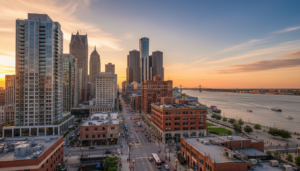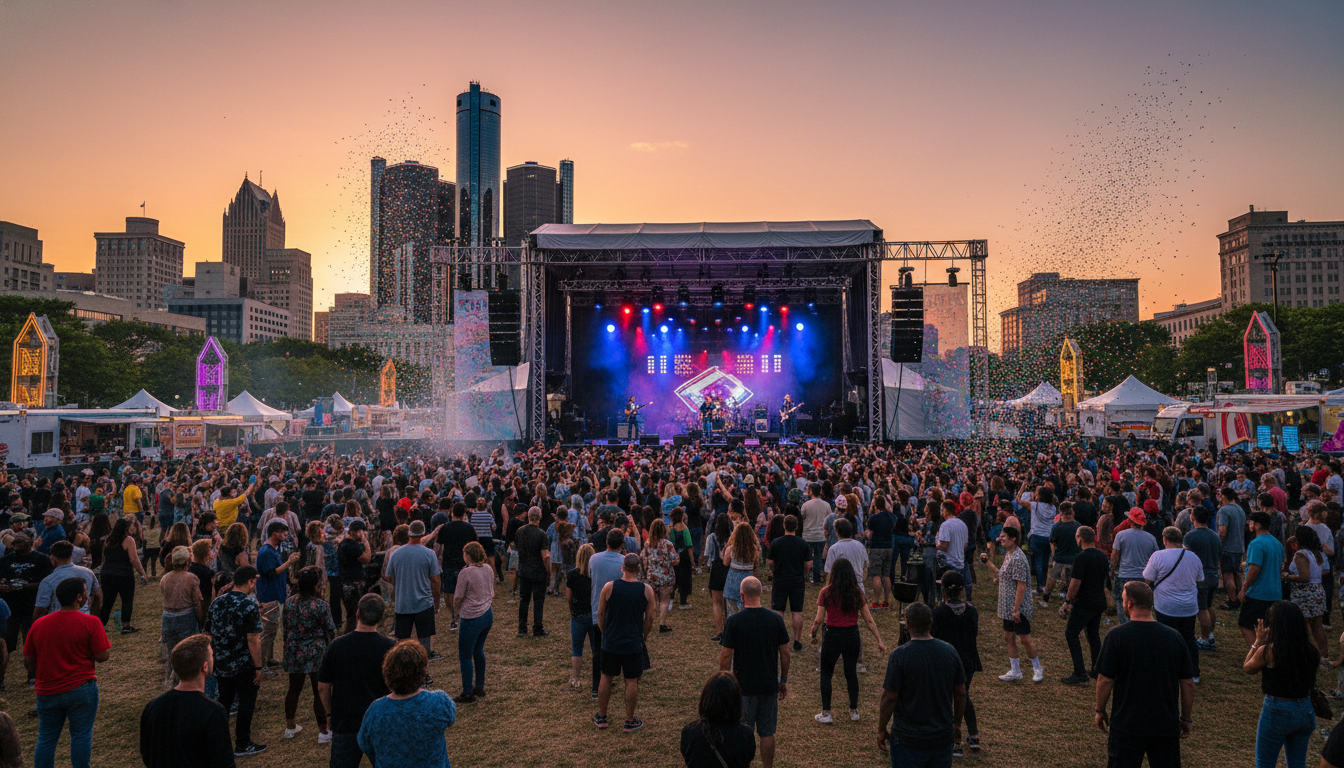
As 2026 approaches, the Detroit music scene is entering a pivotal era defined by unprecedented infrastructure investment, a surge in boutique music festivals in Detroit, and a renewed focus on the city’s global creative brand. While the city has long been synonymous with Motown and the birth of techno, the current landscape reflects a more complex integration of economic redevelopment and grassroots artistic preservation. From the revitalization of historic theaters to the expansion of the District Detroit, the upcoming year is set to test whether the city can balance its industrial grit with its aspirations as a premier destination for live music Detroit.
A Shifting Landscape for Venues and Performance Spaces
The physical landscape of the Detroit music scene is undergoing its most significant change in decades. According to reports from the Detroit Office of Arts, Culture, and Entrepreneurship (Detroit ACE), several key historic venues are slated to complete major renovations by early 2026. This includes the continued integration of performance spaces within the Michigan Central district, which has become a hub for tech and art synergy in Corktown.
Property developments led by Olympia Development and related entities have also signaled a shift toward mixed-use spaces that prioritize mid-sized performance halls. These venues are designed to fill a long-standing gap in the local market between small dive bars and massive arenas like Little Caesars Arena. Local industry analysts suggest that these new spaces will allow the city to capture a larger share of national touring acts that previously bypassed the region due to logistical constraints.
The Evolution of Music Festivals in Detroit
The 2026 festival calendar is expected to be the most robust on record. Beyond the staple events like the Movement Electronic Music Festival and the Detroit Jazz Festival, the city is seeing a rise in specialized, neighborhood-centric gatherings. Movement, in particular, has seen its economic impact grow significantly. Data from the Michigan Economic Development Corporation (MEDC) indicates that the festival now contributes over $20 million annually to the local economy, a figure expected to rise as international travel to the city increases.
Furthermore, new initiatives are focusing on decentralizing the festival experience. Instead of concentrating all activity in Hart Plaza, organizers are increasingly moving events into neighborhoods like the North End and Southwest Detroit. This shift aims to ensure that the economic benefits of music tourism reach local businesses outside of the downtown core, reflecting a broader trend in Detroit neighborhood revitalization efforts.
Impact on Detroit Residents
For Detroit residents, the expansion of the music sector is a double-edged sword. On one hand, the growth of the Detroit music scene provides significant job opportunities in production, hospitality, and event management. The city has also introduced the “Detroit Music Strategy,” an initiative led by the City of Detroit to provide grants and low-interest loans to local artists Detroit who have historically been sidelined by commercial interests.
However, the influx of investment has also raised concerns regarding noise ordinances and the displacement of legacy artists. Residents in rapidly developing areas have reported a rise in housing costs coinciding with the opening of new entertainment hubs. “Our goal is to ensure that the people who built this culture are not priced out of the neighborhoods where that culture was born,” stated a representative from a local community arts collective. The tension between development and authenticity remains a primary topic of discussion at city council meetings regarding Detroit downtown development and zoning.
Data and Economic Trends
According to the City of Detroit’s most recent creative economy report, the music industry and related sectors account for approximately 4% of the city’s total employment. Investment in the arts has been shown to have a multiplier effect; for every dollar spent on a concert ticket in Detroit, an estimated $12 is spent at surrounding restaurants, parking facilities, and retail shops. The U.S. Bureau of Labor Statistics has also noted a 15% increase in creative professionals moving to the Detroit metro area since 2022, drawn by the relatively low cost of living compared to coastal music hubs like New York or Los Angeles.
To support this influx, the city has expanded its support for the Detroit ACE office, which serves as a liaison between artists and the municipal government. This office is currently working on a 2026 master plan that includes permanent public art installations and sound-attenuation grants for small venues to mitigate conflicts with residential neighbors. Residents can find more information on these initiatives at the official Detroit ACE website.
What Happens Next: Looking Toward the 2026 Season
As the city prepares for the 2026 season, the focus remains on sustainability. City officials and local organizers are working to ensure that the infrastructure currently being built can support the Detroit music scene for the next decade, rather than just serving as a temporary economic boost. Key milestones to watch in the coming months include the announcement of the 2026 Movement lineup and the completion of several key transit projects aimed at making live music Detroit venues more accessible to those without vehicles.
Whether through the boom of music festivals in Detroit or the rise of independent artists Detroit, the city’s cultural output continues to be its most resilient export. By integrating legacy with innovation, Detroit is positioning itself not just as a city with a musical past, but as a global leader in the future of the creative economy.