The skyline of Detroit is undergoing a transformative shift that is scheduled to reach a fever pitch by early 2026. Following years of infrastructure investment and large-scale construction, the city is transitioning from a period of heavy development into a phase of operational maturity. Local officials and economic analysts suggest that the wave of new businesses Detroit 2026 expects to welcome will be the most diverse in decades, spanning high-tech mobility startups, luxury hospitality, and neighborhood-focused retail. As the city moves toward this landmark year, the focus is shifting from simply filling vacant storefronts to creating a sustainable ecosystem for entrepreneurs and global corporations alike.
The Core of Growth: Hudson’s and Michigan Central
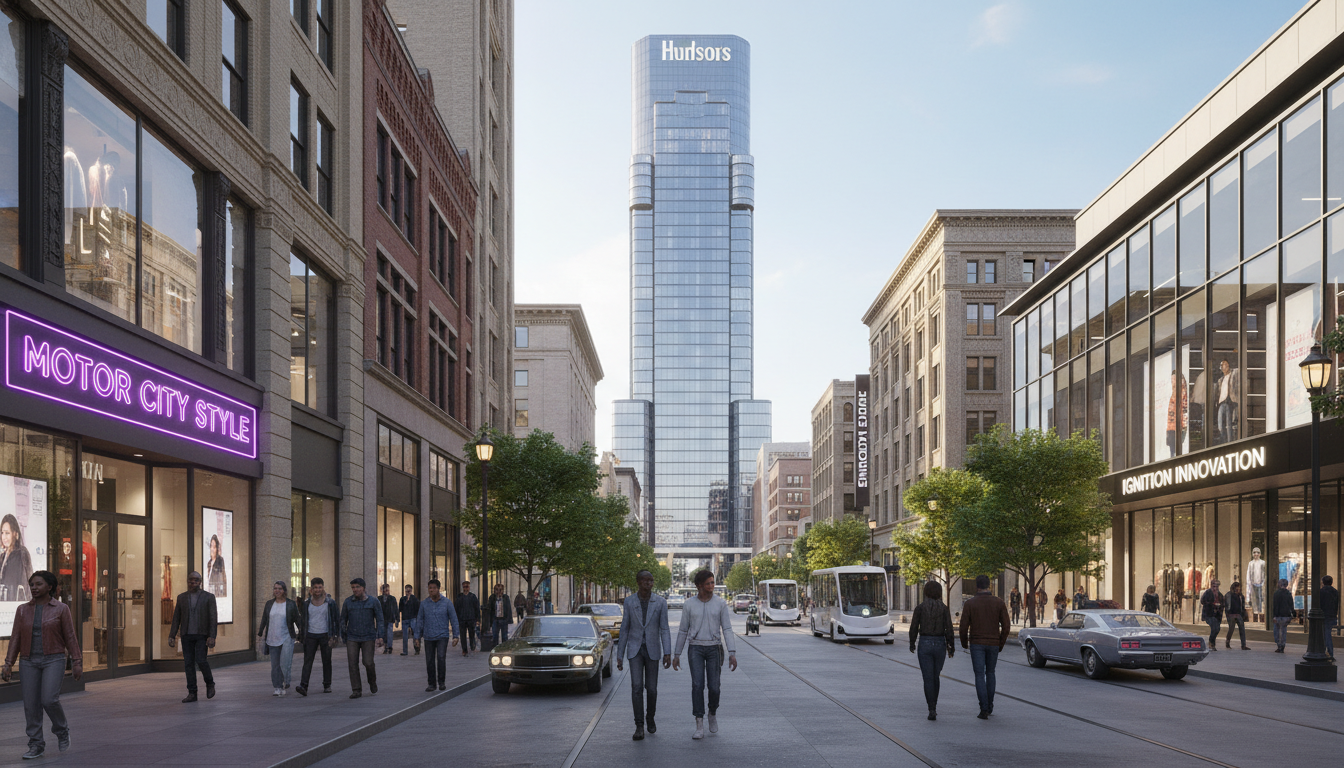
Two major anchors are driving the influx of Detroit openings in 2026. The most prominent is the redevelopment of the former Hudson’s site by Bedrock. This massive project, which has been under construction for years, is slated to become a primary hub for high-end retail and corporate offices. According to data from the Detroit Economic Growth Corporation (DEGC), the site is expected to house over 100,000 square feet of retail and dining space, providing a significant boost to the downtown corridor. Real estate analysts suggest that the completion of the Hudson’s tower will act as a catalyst for national brands that have previously hesitated to enter the Detroit market.
Simultaneously, the Michigan Central innovation district in Corktown is projected to reach its next phase of expansion by 2026. This district, centered around the restored Michigan Central Station, is already attracting tech startups Detroit is positioning as the future of the city’s economy. Ford Motor Company’s investment in the area has created a magnetic effect for mobility and clean energy firms. By 2026, several collaborative workspaces and specialized laboratories are expected to be fully operational, housing hundreds of researchers and venture-backed entrepreneurs. This tech-heavy expansion is a core component of the Detroit real estate strategy to diversify the local economy beyond traditional manufacturing.
Impact on Detroit Residents
For the residents of Detroit, the surge in commercial activity represents more than just new places to shop or dine; it signifies a robust expansion of the local tax base and job market. The City of Detroit’s Planning and Development Department has emphasized that 2026 will be a pivotal year for neighborhood-level growth. Unlike previous booms that focused almost exclusively on the downtown core, current initiatives are targeting the “20-minute neighborhood” model, ensuring that new businesses are accessible to those living in areas like Livernois-McNichols and Jefferson-Chalmers.
Local business owners said the support systems currently being put in place are essential for longevity. Programs like Motor City Match have already begun preparing entrepreneurs for 2026 openings, providing the capital and technical assistance needed to navigate the city’s regulatory environment. This grassroots support ensures that the growth of local business Detroit is seeing is not limited to outside investors, but includes long-time residents who understand the specific needs of their communities. The influx of these businesses is expected to create thousands of service-sector and professional-level jobs, many of which will be prioritized for Detroit residents through local hiring agreements.
Background & Data: Small Business and Tech Trends
Data from the Detroit Economic Growth Corporation indicates a steady 4% annual increase in new business license applications over the last three fiscal years. Projections for 2026 suggest this trend will accelerate as secondary infrastructure projects—such as the Joe Louis Greenway—near completion. The Greenway is already sparking interest from startups and small retailers looking to capitalize on increased foot traffic and bike-ability in previously underserved corridors.
Furthermore, the startup ecosystem in Detroit has seen a 25% increase in venture capital investment since 2022, according to reports from the Michigan Economic Development Corporation (MEDC). A significant portion of this funding is directed toward fintech and logistics companies that are planning to establish permanent headquarters in the city by 2026. These startups Detroit is fostering are increasingly focused on urban solutions, reflecting the city’s unique challenges and opportunities. The concentration of talent from local universities, combined with a lower cost of living compared to coastal tech hubs, continues to make the city an attractive destination for new ventures.
What Happens Next
As 2026 approaches, the city government is expected to finalize several zoning reforms intended to streamline the opening process for small businesses. These reforms are part of a broader effort to reduce the barriers to entry that have historically hindered local business Detroit growth. Observers also point toward the 2026 World Cup—while not hosted directly in Detroit, the regional tourism boost is expected to overflow into the city’s hospitality sector, prompting many new restaurants and boutique hotels to target a Q1 2026 opening date.
With major projects like the District Detroit and the Ralph C. Wilson Jr. Centennial Park also moving toward significant milestones, the narrative of the city is shifting from “comeback” to “competition.” The city is no longer just recovering; it is competing on a global stage for talent and investment. For stakeholders and residents alike, the year 2026 stands as a benchmark for whether these long-term investments can translate into a stable and inclusive urban economy. For more insights on the changing landscape, stay updated with our coverage of local business trends and community developments.