Detroit’s commercial landscape is undergoing a significant metamorphosis, with economic indicators pointing toward a surge of activity in the coming year. As the city approaches the mid-point of the decade, the pipeline for new businesses in Detroit 2026 reveals a diverse mix of retail, tech-driven startups, and hospitality ventures that aim to solidify the city’s post-pandemic recovery. This growth is not merely incidental but the result of multi-year infrastructure investments and a maturing ecosystem for local entrepreneurs.
The Corridor Expansion: From Corktown to the North End
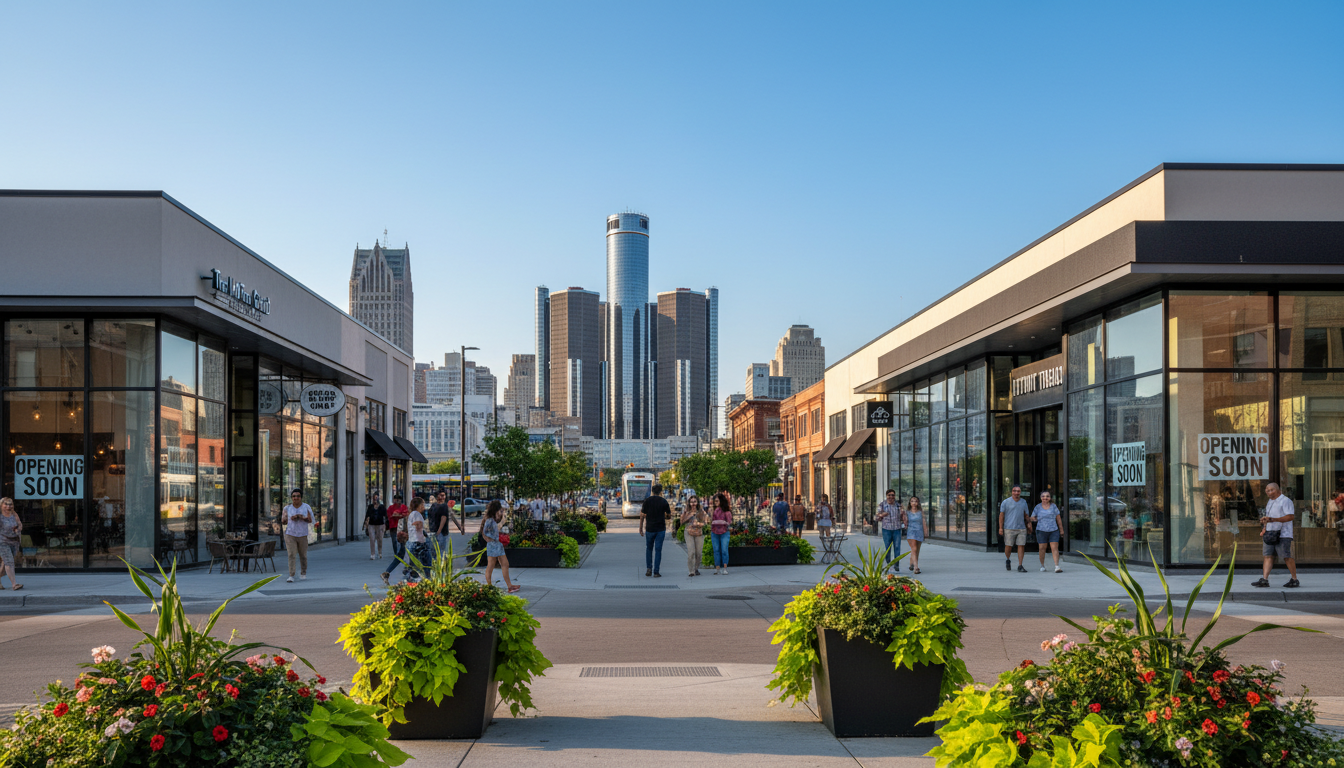
Data from the Detroit Economic Growth Corporation (DEGC) suggests that the revitalization of key commercial corridors remains a top priority for 2026. While downtown has historically seen the bulk of investment, the focus is shifting toward neighborhood density. New businesses in Detroit 2026 are increasingly targeting areas like the Livernois Avenue of Fashion and the burgeoning North End district. These locations are seeing a rise in mixed-use developments that combine residential units with ground-floor commercial spaces, creating a built-in customer base for incoming retailers.
According to reports from the Michigan Economic Development Corporation (MEDC), the state’s commitment to small business grants has incentivized local business owners to sign long-term leases. The Motor City Match program, which has already funneled millions into neighborhood businesses, is expected to reach a milestone in 2026, with dozens of grant-winning concepts scheduled to open their physical storefronts. These Detroit openings range from specialized grocery stores to boutique fitness studios, reflecting a move toward a more ’15-minute city’ model where residents can access essential services within a short walk or bike ride.
The Rise of Startups in Detroit: Mobility and Clean Tech
Beyond traditional retail, the city is positioning itself as a hub for innovation. Startups in Detroit are finding a unique home in the Michigan Central district, where the former train station has been transformed into a hub for mobility and tech. By 2026, this district is expected to reach full operational capacity, housing hundreds of researchers and entrepreneurs. These companies are focusing on electric vehicle (EV) infrastructure, autonomous logistics, and urban sustainability solutions.
The University of Michigan’s economic forecasts highlight that the proximity to major automotive headquarters provides these startups with a distinct advantage in the global market. “The integration of legacy industry with new-age technology is creating a secondary economy of service-based businesses that support these tech workers,” says a local economic analyst. This ripple effect is driving demand for new office-sharing spaces and high-end dining options surrounding the Corktown area.
Impact on Detroit Residents
For the average Detroiter, this influx of commerce translates to more than just new places to shop. The primary impact is job creation. The City of Detroit has implemented several programs to ensure that new businesses in Detroit 2026 prioritize local hiring. The ‘Detroit at Work’ initiative continues to partner with incoming startups and restaurants to provide training specifically tailored to the needs of these new employers.
Furthermore, the increase in local business Detroit options helps reduce ‘retail leakage’—a term used by urban planners to describe when residents must leave their city to spend money on goods and services. By capturing more of this local spending, the city can reinvest tax revenue into essential services like public safety and infrastructure improvements. Residents are also seeing the benefit of stabilized property values as long-vacant storefronts are finally occupied by sustainable businesses.
Background & Data: Navigating Economic Headwinds
While the outlook is generally positive, the landscape for local business Detroit is not without challenges. U.S. Census Bureau data indicates that while business applications remain high, the cost of commercial construction and labor continues to fluctuate. To mitigate these risks, the City Council has explored new tax abatements for small businesses that commit to long-term community benefits agreements. These agreements often include stipulations for maintaining affordable price points or providing community space within the business footprint.
Recent studies on Detroit housing market trends also suggest that the success of these new businesses is intrinsically linked to residential density. As more people move into the city’s core and surrounding neighborhoods, the demand for varied retail options grows. Developers are responding by incorporating more flexible commercial spaces that can accommodate smaller startups with lower overhead costs.
What Happens Next
Looking ahead, the city’s planning departments are focused on ensuring that the growth seen in 2026 is sustainable for the long term. This involves streamlining the permitting process—a common grievance among local entrepreneurs—and improving public transit access to new business hubs. According to official statements from the City of Detroit, several new transit pilot programs are expected to launch in tandem with the 2026 business openings, making it easier for employees and customers to reach these new destinations without relying solely on personal vehicles.
As 2026 approaches, the narrative of Detroit is shifting from one of recovery to one of sustained growth. The diversity of the incoming businesses—ranging from high-tech mobility firms to family-owned neighborhood cafes—signals a robust and resilient economy that is increasingly capable of weathering national economic shifts. For residents and investors alike, the coming year represents a pivotal moment in the city’s ongoing revitalization.