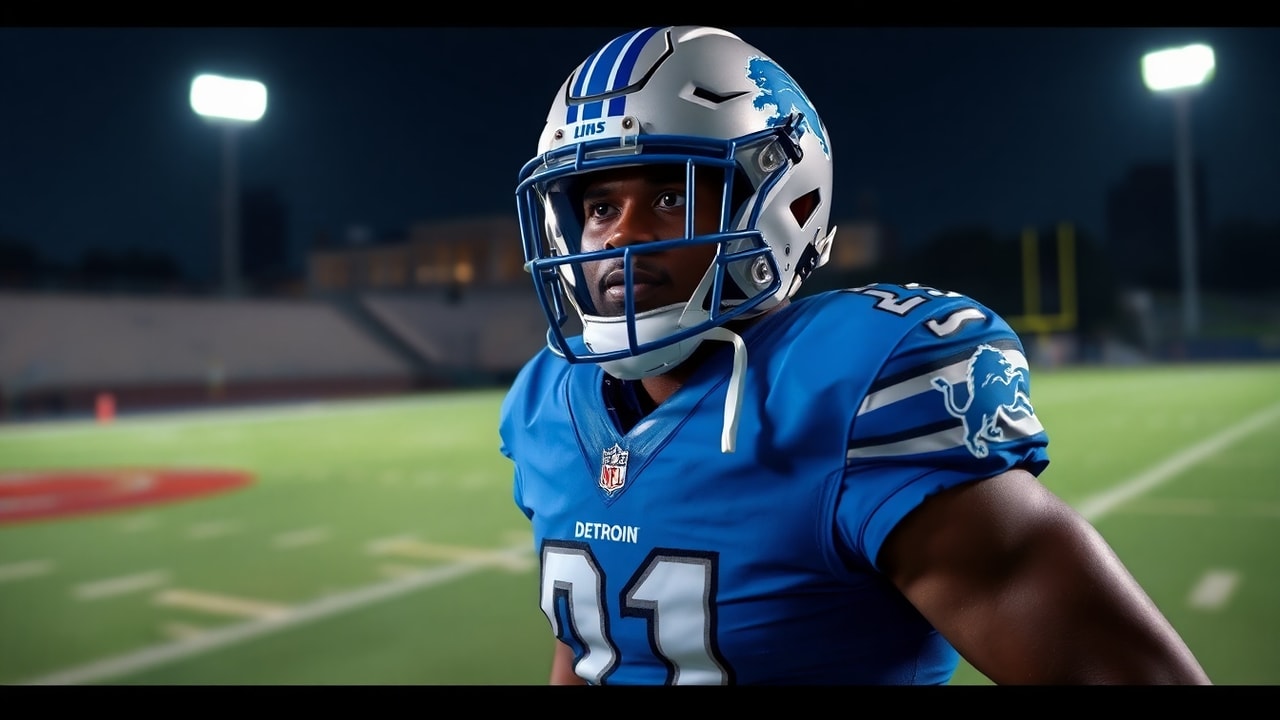
The Detroit Lions’ Terrion Arnold is facing life in prison after a new arrest and charging development, according to charging documents reported by multiple news outlets. The case, which has intensified scrutiny of NFL legal trouble claims, is now in the hands of the courts as the process moves from arrest to formal prosecution.
For Detroit residents and Lions fans, the allegations are not just a sports headline. They raise immediate questions about accountability, public safety, and how high-profile cases ripple through the city’s broader conversation about justice and the legal system.
Terrion Arnold Arrested and Terrion Arnold Charged in Court Proceedings
Arnold, a cornerback for the Detroit Lions, was reportedly arrested following an incident that led to criminal charges. Reported accounts describe the matter as serious, with prosecutors seeking severe penalties, including life in prison under the allegations.
While the specific allegations are contained in court paperwork, the legal process remains ongoing. Criminal cases typically proceed through arraignment, discovery, and motions before trial, and the outcome will depend on evidence presented in court.
According to the Michigan State Police (as summarized in publicly circulated reports), authorities investigate incidents through standard procedures that can include arrest, charging, and subsequent court filings. Those filings set out what prosecutors allege occurred and what penalties prosecutors are seeking.
At the same time, the Associated Press has previously emphasized that defendants are presumed innocent unless and until a court of law reaches a verdict. That presumption applies here as well, even as the seriousness of the allegations and the potential sentencing exposure draw attention.
What This Means for the Detroit Lions and the Team’s Immediate Response
The Detroit Lions are likely to respond within the bounds of league and workplace policies, including how a player participates during the pendency of criminal proceedings. In the NFL, teams often align internal decisions with the status of a case, including whether a player is released on bond, subject to restrictions, or facing court dates that could affect availability.
Sports governance and employment issues can become intertwined with the legal timeline. In Detroit, the Lions’ offseason and regular-season plans are not insulated from the public and reputational stakes that accompany legal trouble.
Though the team is not the deciding party in a criminal case, the Lions’ handling of the situation can influence public sentiment. The team typically balances accountability with the legal principle of presumption of innocence, while also maintaining standards expected by sponsors, fans, and the league.
Impact on Detroit Residents
For Detroit residents, the impact goes beyond the stadium. High-profile cases can shape local conversations about public safety, fairness in the justice system, and the role of community institutions when allegations involve a well-known figure.
According to the U.S. Department of Justice, the criminal justice system is designed to evaluate alleged conduct through evidence and due process, with legal outcomes determined in court. That framework is especially important in cases that include claims of extreme penalties such as life in prison, because the stakes for both the accused and potential victims are substantial.
Meanwhile, local advocates in Detroit have repeatedly urged the community to hold to process-oriented standards—supporting public safety and victims while insisting that allegations be adjudicated based on evidence. Detroit’s media ecosystem and civic organizations have long highlighted how sensational coverage can sometimes distort public understanding. With that in mind, residents are watching for what comes next in court and what facts prosecutors can substantiate.
In addition, cases like this can affect youth and community perceptions of role models. Arnold, as a professional athlete associated with the Detroit Lions, is visible far beyond the field—appearing in community outreach and serving as a symbol for aspiration. When NFL legal trouble emerges, it can complicate how young fans and families interpret accountability and consequences.
Background & Data: How Severe Charges Move Through the System
Serious criminal charges that carry the possibility of life in prison generally involve allegations that prosecutors contend meet specific statutory thresholds. Those thresholds vary by jurisdiction and the exact counts filed in court.
In Michigan, criminal prosecutions typically require prosecutors to formally charge a defendant and then prove allegations beyond a reasonable doubt at trial if the case does not resolve earlier through a plea agreement or dismissal. Even when prosecutors seek maximum exposure, the court process determines whether those exposures apply.
According to Michigan’s court rules and standard procedure described by legal information providers, defendants can request hearings, and both sides can file motions that may affect trial timing, evidence admissibility, or legal interpretations. The timeline can be affected by discovery obligations, witness availability, and pretrial motions.
Public reporting often relies on what is filed in court and what officials state. But residents should note that the presence of severe sentencing language in the charging stage does not equate to a sentence being imposed. Courts and juries, when applicable, determine guilt and sentence after the full evidentiary process.
Detroit News Watch: What Happens Next in the Terrion Arnold Case
Next steps are likely to include additional court proceedings following the Terrion Arnold arrest and the filing of formal charges. In many cases, that includes:
- Arraignment, where formal charges are read and bond or release conditions may be set or reviewed;
- Pretrial hearings, including scheduling conferences and potential motions;
- Discovery, where both sides exchange information required for trial preparation;
- Possible resolutions through plea negotiations, or the case moving toward trial.
For Detroit residents, the most reliable signals of the case’s trajectory will be updates from court filings, official statements from law enforcement, and reporting grounded in those documents—not speculation on social media.
As the case develops, fans will also track how the Detroit Lions manage roster decisions and practice availability. Even without a final legal outcome, legal circumstances can shape team planning and public engagement.
Staying Informed Without Losing the Facts
As Detroit watches this unfolding situation, it’s important to separate confirmed information from rumor. In legal matters, the record is built in court—not on headlines. Residents seeking clarity should focus on court documents, official summaries, and established reporting outlets that explicitly cite those sources.
The next official updates—particularly those detailing the charges and procedural status—will help determine what the prosecution must prove and what defenses are raised. Until then, the case remains an active legal matter tied to a high-profile figure in the Detroit Lions organization.
Note: This report reflects publicly reported information about the arrest and charging status. Final outcomes are determined through the court process.