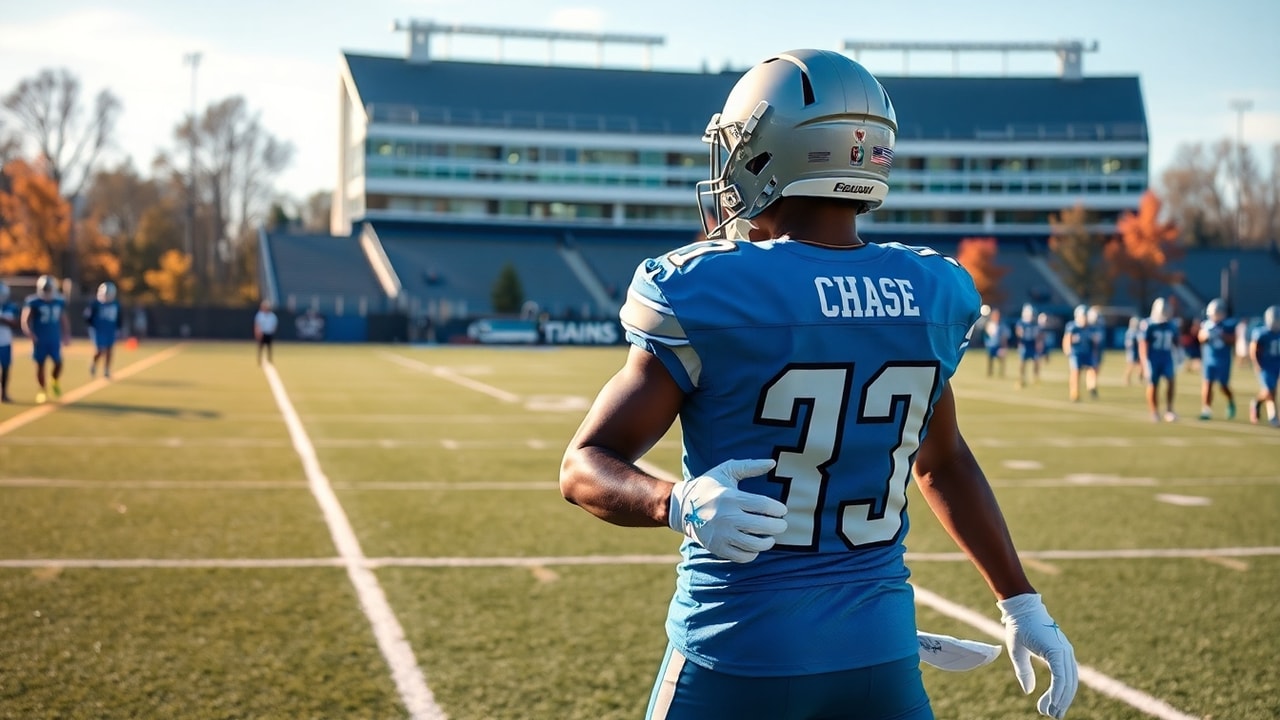
The Detroit Lions’ 2026 defensive plans will likely hinge on a single question in the secondary: who lines up opposite their No. 1 corner, “Chase,” when the regular season begins. With each offseason bringing new assignments, scheme tweaks and depth-chart battles, Lions fans are already looking past training camp headlines toward the starting cornerback opposite Chase—and what that means for Detroit’s pass defense in a division stacked with talented receivers.
Inside the organization, the answer is expected to come from a mix of veteran experience, draft development and early roster decisions designed to stabilize the Lions’ coverage matchups. But for Detroit residents who care about football as part of local life—whether it’s watching Sunday games at neighborhood bars or following roster moves that ripple through team-related spending—the cornerback depth chart is more than a personnel storyline. It’s a direct preview of how the Lions aim to defend big leads, survive shootouts and keep games competitive through December.
Detroit Lions 2026 starting cornerbacks: the matchup that defines the defense
At the center of the discussion is the projected “Chase likely match-up,” a phrase that captures how opposing offensive coordinators build game plans. According to Pro Football Focus, player usage and coverage assignments can significantly affect target distribution, route outcomes and defensive efficiency. While PFF’s coverage grades are not the same thing as “guaranteed” starting outcomes, the takeaway is clear: the corner spot paired with an elite or featured defender often becomes the fulcrum of the passing game.
For Detroit Lions 2026, the starting spot opposite Chase is expected to be the one where coaches look for reliability under pressure—particularly against teams that use motion, quick game concepts and intermediate crossers to challenge boundary coverage. The Lions’ offensive identity will not change the need for defensive clarity, and with the NFL’s emphasis on spreading the field, this role tends to demand both man coverage competence and zone reading discipline.
What teams look for opposite a top corner
Coaches generally prioritize three traits when selecting starting cornerbacks on the boundary: (1) ability to handle receivers in press and off coverage, (2) tackling and run support enough to avoid turning every tackle into a broken play, and (3) communication—especially when help is coming from the safety rotation. In Detroit, where cold-weather late-season games often compress play-calling and encourage conservative leverage, the “opposite” starter still has to be ready for split-second changes.
That combination also affects the CB depth chart. If the Lions decide they need a full-time starter who can stay on the same side of the formation assignment and limit deep completions, the position battle may narrow quickly once training camp reports begin. If, instead, the coaching staff believes in rotating matchups, the Lions could start a player who is strongest in the specific Chase likely match-up while still using specialists at other times.
Secondary outlook: why the Lions’ cornerback decision could shift midseason
Detroit’s secondary outlook in 2026 will depend not just on talent, but also on durability and how quickly players learn the Lions’ coverage language. The NFL often forces adjustments after injuries, and the Lions’ approach has historically benefited from depth that can absorb early-season volatility.
According to the NFL Game Statistics & Information System and league-wide injury reporting trends tracked by organizations like Footballdata, teams should plan for changes after the first few weeks. For fans trying to understand what “starts opposite Chase” really means, this context matters: the first official depth-chart release doesn’t always predict who closes out December.
Still, early planning can be inferred from offseason priorities. The Detroit Lions offseason typically aims to balance immediate improvement with longer-term development—especially at high-leverage positions like cornerback. If the Lions spend draft capital, sign a veteran, or promote a player from the inside out, it usually signals which traits the coaching staff believes will best stabilize the defense’s boundary assignments.
How Detroit’s schedule influences CB choices
Detroit’s divisional matchups and cross-conference opponents can shape the starting cornerback opposite Chase. If the Lions expect to face receiver groups that stress speed off the line, the team may favor a starter with better foot quickness and recovery speed. If the league opponent mix shifts toward route-combination offenses, the Lions could lean toward a corner who’s strong at reading under routes and reacting to quarterback cadence.
For local residents, that matters in practical ways. Better defensive performance tends to support higher attendance and sustained fan interest—especially in late-season stretches when Detroit neighborhoods rally around game day routines. While the Lions are not a municipal agency, the team’s success does have local spillover effects into hospitality and retail activity, an outcome frequently discussed in Detroit-area business reporting when teams contend for playoff spots.
Impact on Detroit residents: from game-day spending to neighborhood viewing
Football isn’t just sport in Metro Detroit—it’s a routine. The question of Detroit Lions 2026 starting cornerbacks will show up in conversations at bar counters from Ferndale to Dearborn and in group chats among families who treat Sundays as a scheduled event.
When the Lions’ defense plays with confidence, it changes the tone of the entire viewing experience: fewer “bend-but-don’t-break” moments, more scoring opportunities off turnovers, and a more predictable rhythm that helps keep fans engaged through four quarters. Those psychological and scheduling factors may seem intangible, but they translate into practical outcomes for businesses that depend on consistent foot traffic.
Local economic reporting has long linked major entertainment events to short-term revenue shifts. In the Detroit region, hospitality outlets—sports bars, casual dining restaurants, and even some retail locations—commonly see spikes during high-interest home games and marquee matchups. A stronger defensive identity can indirectly support that pattern by increasing the likelihood of closer finishes and late scoring drives that keep customers in their seats.
Background & data: what “starting” really means on an NFL depth chart
In the NFL, a “starter” is defined by who begins the game at a position—not necessarily who plays every snap at the same role. Coaches often use packages to keep matchups favorable, and cornerbacks may rotate according to receiver strengths, down-and-distance tendencies and safety support structure.
Data from the nflreadr community and other public analytics efforts show why analysts and fans focus so heavily on early playing time and snap counts. Once a cornerback consistently earns reps, the probability of that player maintaining a starting trajectory increases—especially if he also performs well in coverage assignments that resemble the upcoming opponent “Chase likely match-up.”
For Detroit, where the Lions’ defensive coaching staff will likely want repeatable communication and fewer blown leverage assignments, the starting cornerback opposite Chase may be the player who quickly demonstrates both technique and understanding.
So, who starts opposite Chase?
Right now, the most responsible answer is that the Lions’ starting cornerback opposite Chase will come from a competitive group that may include a veteran who can stabilize coverage early and younger talent who has shown the ability to learn the scheme quickly. The offseason decisions—whether via free agency, draft picks, or promotion from within—will determine whether the Lions pursue a “plug-and-play” solution or prioritize developmental upside.
What fans can watch to narrow down the answer: early camp usage, which corner draws the most snaps at the start of defensive series, and how the coaches distribute coverage responsibilities. If one player consistently gets boundary assignments aligned with the Chase likely match-up, that’s usually a strong signal of starting intent—even if depth-chart officialities are still fluid.
In Detroit Lions 2026, the CB depth chart won’t be settled by talent alone. It will be settled by preparation speed, communication on pre-snap checks, and the ability to keep coverage intact when games turn into high-tempo passing races.
What happens next in the Detroit Lions offseason
Over the coming months, Detroit Lions offseason moves will be watched closely for clues. A signing at cornerback typically signals a desire to reduce uncertainty at the position quickly. A draft pick at CB can indicate a belief in the team’s ability to develop a starter within a year, while an internal promotion suggests the coaching staff sees immediate readiness.
For residents keeping track from the neighborhoods to downtown, the best “early tells” will come from transparent practice reporting and how often the Lions use specific defensive packages. As training camp approaches, the CB depth chart will become less theoretical and more definitive: who starts opposite Chase will determine the secondary outlook and, ultimately, how Detroit’s defense matches up when the passing games get most intense.