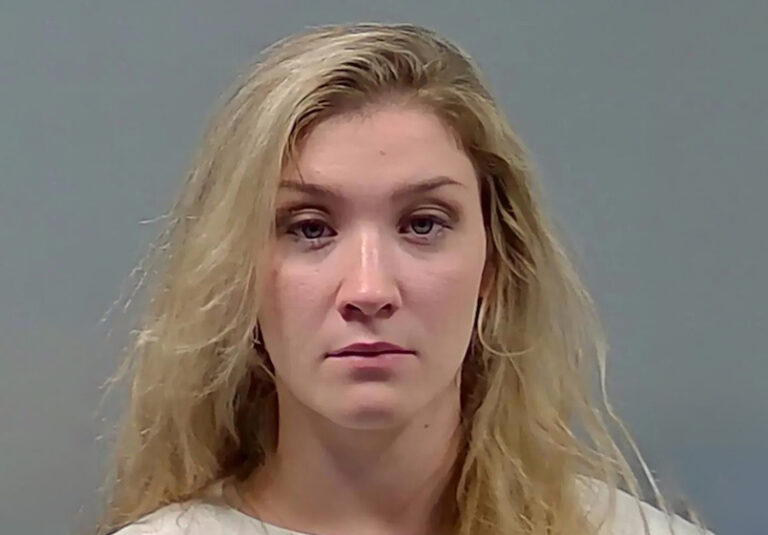
Detroit Lions cornerback Terrion Arnold has been charged in Florida with offenses including robbery and kidnapping, according to court records filed in the state and reporting from regional media outlets. The arrest and subsequent charges mark a significant development for the NFL player and for the Lions organization as the team prepares for the remainder of its season.
Arnold, who has been a key defensive contributor for the Detroit Lions, was taken into custody following the incident that investigators say occurred in Florida. While the underlying facts of the case have been contested in early filings, the charges themselves are now part of the public court process.
Florida charges detailed in court filings
Details of the allegations are laid out in Florida court documents and charging materials. According to a spokesperson for the Florida state court system (as reflected in the public docket and reporting), the case proceeds under the state’s standard criminal procedure, meaning further hearings will determine whether evidence supports continued prosecution.
More specific reporting from local news organizations has described the nature of the accusations, including claims tied to both robbery and kidnapping. Those reports note that the legal timeline could include pretrial motions, bond determinations, and additional filings.
Neither Arnold nor his attorney has publicly admitted wrongdoing in the early stage of the case, and prosecutors are still required to prove the charges in court.
NFL player arrest raises questions for Detroit fans
The Detroit news impact is immediate. For Lions supporters, Arnold’s arrest arrives at a time when defensive performance and team stability are typically major storylines. In Detroit, where pro sports news often has a strong spillover into local conversation—sports talk radio, community watch parties, and fan forums—this development is likely to shape coverage through the next court appearances.
In the short term, the Lions may face questions from fans and local media about roster planning, team discipline policies, and whether Arnold’s status could affect game-day readiness. NFL teams generally follow league and legal guidance on player availability, and the timing of any court hearings could influence whether the team expects Arnold to participate in practices or games.
What it means for the Lions’ on-field plans
From a football operations standpoint, the Lions’ defensive secondary has relied on consistent coverage assignments and communication across matchups. If Arnold were unable to participate, coaches would likely adjust defensive packages and staffing—potentially shifting responsibilities to other cornerbacks and affecting how the defense handles receiver routes.
Even without confirming any availability decision, the possibility of absence underscores how legal processes can quickly influence sports performance planning in-season.
Impact on Detroit Residents
Beyond the stadium narrative, this case intersects with broader Detroit-area conversations about accountability, public trust, and how athletes’ off-field conduct can reverberate in local communities.
According to the U.S. Bureau of Justice Statistics, public perceptions of crime and safety often change alongside widely publicized legal proceedings, particularly when the accused is a well-known public figure. While that is not a statement about guilt, it helps explain why a high-profile NFL player arrest can become a flashpoint in local discourse.
For Detroit residents, the story may also affect how local sponsors and community partners think about engagement with professional sports figures. Many organizations coordinate youth programming and civic events with teams and athletes; legal uncertainty can lead to pauses or adjustments in how those activities are planned.
At the same time, Detroit’s sports culture has a long history of holding multiple realities at once: fans often support their teams while recognizing that criminal allegations require due process.
Background & data: how major legal cases unfold
While this case is specific to Florida and the defendant in question, the general process for criminal charges is consistent across U.S. jurisdictions. After an arrest and initial charging decision, courts typically schedule hearings to address issues such as probable cause challenges, bail or bond conditions, and deadlines for discovery.
In addition, high-profile cases often develop alongside media coverage. That can increase public scrutiny but does not replace evidence presented in court. As a result, community members should focus on verified filings and official statements from prosecutors and the defense rather than unconfirmed claims.
According to the National Center for State Courts, court processes in the United States are designed to balance the rights of defendants with public safety and the interests of victims—through transparent procedures, rules of evidence, and scheduled stages leading up to potential trial.
What happens next in the case
For this matter involving Florida charges related to robbery and kidnapping, the next steps are likely to include an early court appearance and further scheduling for pretrial proceedings. Those milestones will shape whether the case proceeds quickly, whether additional charges or dismissals are considered, and what conditions—if any—are imposed during the pendency of the matter.
In Detroit, residents will also be watching for updates regarding the Lions’ approach to team activities. If the NFL player is subject to travel limits or other legal conditions, it could affect access to team facilities and practice schedules. Any league or team action, however, would be expected to align with standard policies and the evolving legal record.
Lions, Detroit fans, and the next court dates
The Detroit Lions and Detroit sports fans will likely continue following developments as the case advances. Because the allegations involve serious offenses, more detailed facts may emerge through court filings, official statements, or testimony—rather than speculation.
Until then, the most reliable information will be drawn from public court dockets, prosecutor filings, and statements from attorneys representing the defendant.
As this legal process moves forward, Detroit residents can expect continued coverage of both the courtroom proceedings in Florida and the Lions’ preparations—making this one of the most closely watched local sports stories of the season.