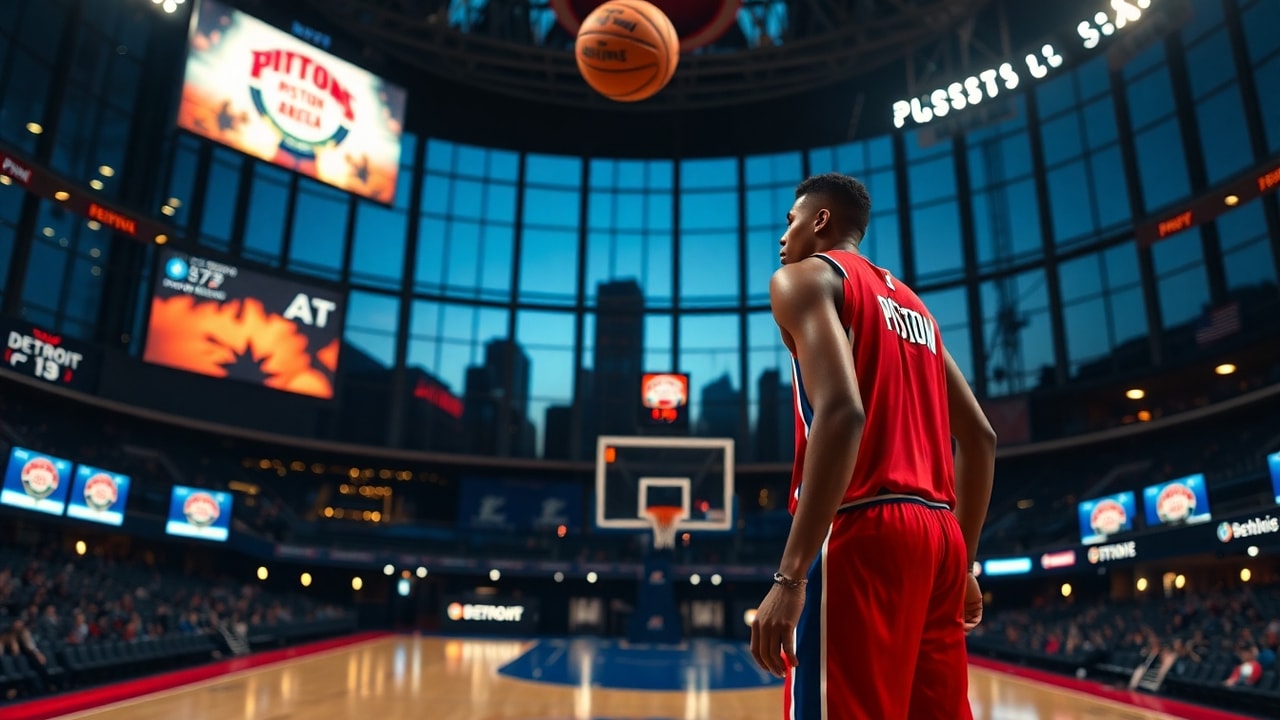
The Detroit Pistons’ latest offseason push is aimed at shoring up one of the team’s most important areas: the backcourt. According to an NBA report citing league sources, Detroit is adding shooting help at the guard position as the franchise looks to improve spacing and shot creation for a roster still searching for consistent offensive rhythm.
The move, described by multiple reports as a backcourt addition, comes as the Pistons continue rebuilding around a younger core while prioritizing players who can stretch defenses and create better looks for teammates. For fans in Detroit, it signals a familiar theme from recent seasons—using roster flexibility to find the right mix of development, fit, and in-game impact.
Detroit Pistons target shooting upgrade for backcourt depth
While exact contract details can vary across early coverage, the thrust of the report is clear: the Pistons are focused on a shooting upgrade that can influence possessions immediately. In a league where efficient offenses often rely on credible spacing, adding perimeter accuracy can change how opponents defend—especially in the final 15 feet where kick-outs and catch-and-shoot opportunities become decisive.
According to Basketball-Reference, teams with stronger three-point performance generally benefit from improved spacing and shot quality. Detroit’s reported decision aligns with that reality, suggesting the franchise believes better shooting will translate into more opportunities to score in transition and half-court sets.
Beyond raw percentages, the report frames the acquisition as a player acquisition intended to raise the floor of the guard rotation. Pistons coaching staff have repeatedly emphasized role clarity—guards who can make the right read, finish open looks, and still defend competently at game speed. A backcourt addition that checks those boxes could increase backcourt depth by giving Detroit more options late in games when matchups tighten.
Impact on Detroit Residents: what this means inside Little Caesars Arena
For Detroit fans, the immediate question is how this changes the day-to-day viewing experience at Little Caesars Arena. A shooting upgrade can be felt even before stats arrive—when opposing defenses begin to guard the perimeter more aggressively, it opens lanes for drives and raises the stakes for double teams.
That matters in a city where sports conversations are often tied to community identity. The Pistons remain one of Detroit’s most visible major-league franchises, and offseason roster changes are commonly treated as signals about the team’s short- and long-term direction.
There’s also a practical angle. Game nights ripple outward into the local economy: restaurants, parking services, and rideshare demand typically increase around tip-off. The Detroit Metro Convention & Visitors Bureau has previously highlighted how major sporting events support visitor activity and local spending, according to publicly available reporting. If a backcourt addition helps the Pistons become a more competitive product on the court, it can contribute to steadier engagement from season-ticket holders and casual fans.
Why shooting is the focus now
NBA offenses increasingly rely on spacing to generate advantages—either through catch-and-shoot sequences, relocation on drives, or creating advantages with gravity rather than solely with isolation. Detroit’s reported emphasis on shooting suggests the team is addressing a common roster-building challenge for young teams: making sure the players developing together have enough reliable scoring threats to avoid becoming predictable.
According to analysis from ESPN and other national outlets in recent seasons, three-point volume and shot quality have become closely linked to the modern style of play. For the Pistons, a shooter in the backcourt can improve how quickly the offense reaches its preferred looks, while also reducing the amount of contested midrange attempts.
Importantly, a backcourt addition doesn’t only affect offense. If the player can hold up defensively—especially in switching-heavy schemes—Detroit gains an additional matchup tool. That can influence rotations and reduce the burden on the team’s primary defenders.
Background & context for Detroit’s offseason strategy
Detroit’s offseason decisions have generally reflected a balancing act: continue development, manage roster flexibility, and build toward a sustainable competitive window. The Pistons’ approach has been shaped by the NBA’s ongoing emphasis on perimeter shooting and pace management, as well as leaguewide shifts in defensive schemes.
Local sports observers often note that the Pistons’ biggest improvements tend to come when Detroit identifies complementary pieces rather than relying on a single star to solve every scoring problem. A guard who can reliably hit open threes, maintain spacing without the ball, and create shots off defensive pressure fits that philosophy.
From a broader perspective, the city’s sports ecosystem has long shown that roster-building and economic momentum can influence each other. Data from the U.S. Bureau of Labor Statistics has repeatedly shown that local consumer spending can move with major entertainment events, though the degree varies by year and conditions. While a single roster move isn’t an economic policy lever, improved team performance can affect attendance patterns and the broader game-night business cycle.
What happens next for Detroit
The reported Detroit offseason move will be tested quickly as training camp approaches. Detroit’s staff will likely evaluate several practical questions:
1) Fit with the starters and bench: Can the shooting upgrade open lanes and keep defenders honest when rotations shift?
2) Role clarity: What offensive actions will be built around the new backcourt piece—catch-and-shoot possessions, off-the-dribble creation, or shot creation via screens?
3) Defensive assignments: Will the player match up cleanly with common guard threats, particularly in late-game situations?
4) Chemistry and timing: Even high-level shooters need synchronized reads—when to relocate, how to space, and how to respond to screens.
From a standings perspective, Detroit’s aim with a backcourt depth improvement is to reduce volatility. Teams that can keep scoring steady across lineups often have a better chance of turning close games into wins, especially against opponents that punish slow starts.
Detroit fans can look for these on-court signals
If the shooting upgrade materializes as described in the NBA report, fans should watch for a few measurable, easy-to-notice indicators:
More corner threes and kick-out attempts: These typically rise when help defenders respect perimeter threats.
Fewer forced midrange shots: A consistent shooter often reduces the number of possessions that stall late in the shot clock.
More efficient transition: Guards who can punish long closeouts can turn turnovers and rebounds into quick scoring.
Improved spacing in pick-and-roll: If the guard is effective off screens, the Pistons can attack defenses with less congestion.
Bottom line
The Detroit Pistons’ reported backcourt addition underscores the team’s priorities for this offseason: find a shooting upgrade that supports modern offensive spacing and strengthens rotation flexibility. For Detroit residents, the move is more than roster housekeeping—it’s an attempt to make the product at Little Caesars Arena more consistently watchable and, ultimately, more competitive.