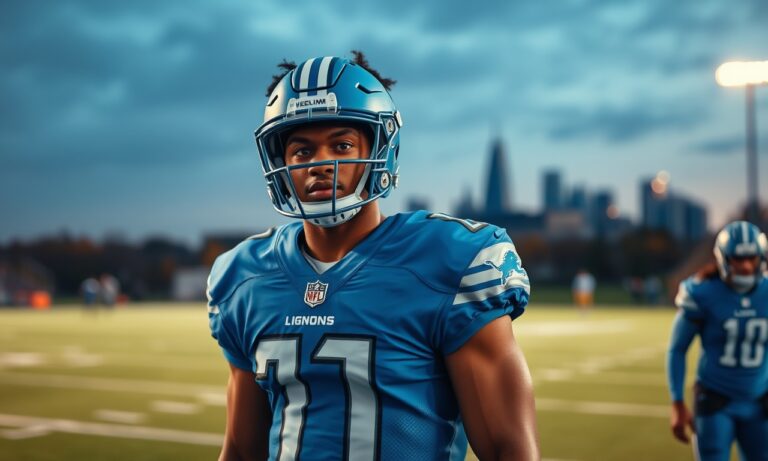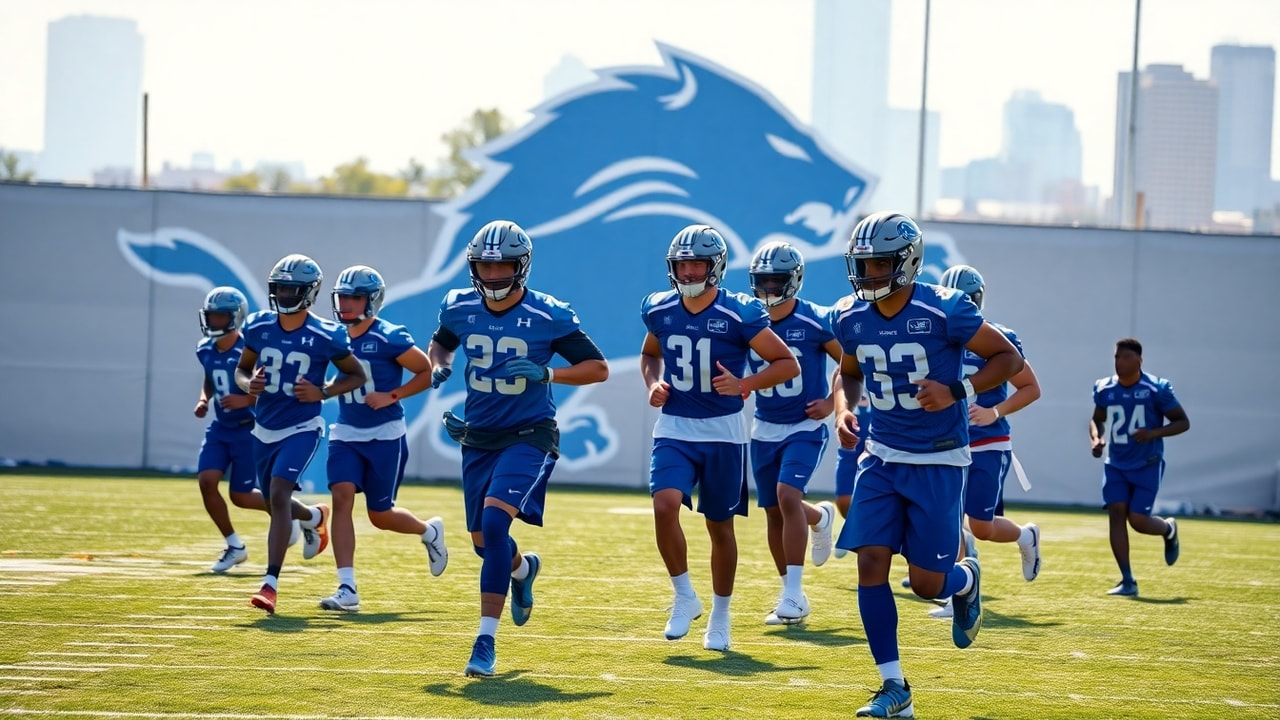
As the Detroit Lions open their NFL training camp window, Detroit’s football conversation is already shifting from last season’s roster to what’s next on the field. For one Lions rookie, the early practices carry a clear message: opportunities created by the grind of camp can become starting jobs sooner than many fans expect.
During the first days of camp, coaches typically sort players by practice reps, assignment responsibilities, and how quickly they learn the cadence of the playbook. That structure can help determine which newcomers are simply “getting acclimated” and which are positioning themselves—day by day—for a deeper role. In Detroit, where Sundays are part sport, part community routine, the idea of a rook taking a starting spot carries extra weight.
Rookie message from day one: win reps, understand the system
Lions beat reporters and team observers have pointed to the way training camp often functions as a real-time evaluation process rather than a purely ceremonial stretch. According to ESPN team reporting, NFL camps are among the few periods each year when coaches can evaluate players in live, high-tempo conditions—especially on special teams and in transitional defensive and offensive packages.
For the Detroit Lions rookie at the center of this week’s chatter, the early focus appears to be twofold: staying healthy through the first physical weeks, and accelerating the learning curve so that practice reps translate into meaningful snaps. That means mastering protections and signals on offense, or recognizing coverage rotations and gap assignments on defense, along with maintaining consistent performance in drills where mistakes show quickly.
“Camp competition is where the depth chart starts to take shape,” one team source familiar with how NFL practices are evaluated said. The source, speaking on the condition of anonymity because they are not authorized to discuss internal evaluations, emphasized that coaches often look for repeatable habits—how a player responds after a mistake, how they communicate, and whether they can learn on the fly.
How camp competition affects the Lions’ roster reality
In Detroit, the camp competition isn’t limited to rookies. It’s the entire roster recalibration that follows offseason roster moves, scheme adjustments, and the return of veterans from training programs. But rookies can stand out quickly if they earn the trust of coaches with crisp execution and dependable conditioning.
That dynamic matters for how the Lions build confidence at key positions. When a rookie forces the coaching staff to take notice, it can alter how veterans are used—either by shortening the leash of a struggling incumbent or by shifting a player’s role into a more specialized package. That kind of role evolution can become visible to fans early, even before the first preseason game.
According to the NFL’s collective bargaining framework and standard preseason roster rules, the league uses camp and preseason games as key evaluation opportunities, while regular-season roles solidify once the team is on the path to final roster decisions. While each team manages the schedule differently, the underlying goal is consistent: identify players who can execute the scheme under pressure.
Impact on Detroit Residents: more than football storylines
For many Detroit residents, Detroit football is woven into local life—sports radio mornings, game-day meals, and neighborhood conversations that start long before kickoff. A rookie’s rise can influence more than fan sentiment; it can also shift local business activity around training-camp events, media days, and early preseason coverage.
In the short term, Lions camp and its coverage drive foot traffic to establishments that serve fans on game weekends—sports bars, family-friendly restaurants, and retailers that stock team gear. Those are the kinds of steady, predictable upticks that local businesses can plan around, especially in the weeks leading into the fall schedule.
At the community level, the Lions’ offseason presence and camps also connect to youth sports and local engagement. According to the NFL’s community programming, teams frequently partner with local organizations to support youth initiatives. While specific camp-related programming varies year to year, Detroit nonprofits and school athletics programs often benefit from the attention and resources that come with a high-profile NFL season.
Still, there’s another side residents sometimes overlook: expectations. When a rookie is framed early as “starting spot” material, the pressure can intensify quickly—on the player and on fans. In a city with deep sports history, optimism can become impatience if results don’t arrive on a schedule. That’s why it’s helpful to view camp not as a final verdict, but as a fast-moving early chapter in a longer development process.
Background & data: why camp reps matter
The NFL is a timing and execution league, and camp reps are essentially the first chance to see how players process complexity in a live environment. That includes understanding what coaches are emphasizing at each stage of practice—install phases, red-zone looks, situational drills, and conditioning targets that build toward preseason game readiness.
Sports data analytics have increasingly shown that the fastest learning trajectories in football often combine mental processing with physical repeatability. Players who grasp assignments quickly tend to get fewer “wasted” reps and can spend more time honing technique. According to a report from Sports Reference on NFL player development metrics, performance tracking often reveals that players who earn consistent opportunities in the earliest evaluation windows are more likely to build a sustainable role—though each case depends on position depth and coaching decisions.
For the Detroit Lions, that development work exists alongside roster continuity and positional depth. Even when a rookie is competing for a starting spot, coaches can reserve certain roles for the veterans who have already proven they can absorb the scheme over a full offseason. The rookie’s job is to make those reservations harder to justify through performance.
What happens next: practices, preseason, and the depth chart turning
As camp continues, the key question will be whether the rookie’s reps stay consistent and whether performance carries over across practice types. Early indicators to watch include communication quality on offense and defense, assignment accuracy during live snaps, and reliability in special teams—an area where rookies often earn a foothold even before they’re ready for a full starting workload.
In the coming weeks, the Lions will also face a typical evaluation arc: early emphasis on fundamentals and installation, followed by more situational work as preseason approaches. When the team begins playing in preseason games, coaching staff can compare practice performance against real opponents—an important step for determining who truly belongs with the first group.
For Detroit residents, the story is worth tracking because it reflects how the franchise is working to create long-term stability. A rookie landing a starting spot doesn’t just change the depth chart; it can shift the team’s identity week to week as the season progresses.
Until then, the camp period remains what it has always been: a competitive environment where opportunity is real, learning is constant, and the path from “rookie” to “starter” is built through reps—one practice at a time.