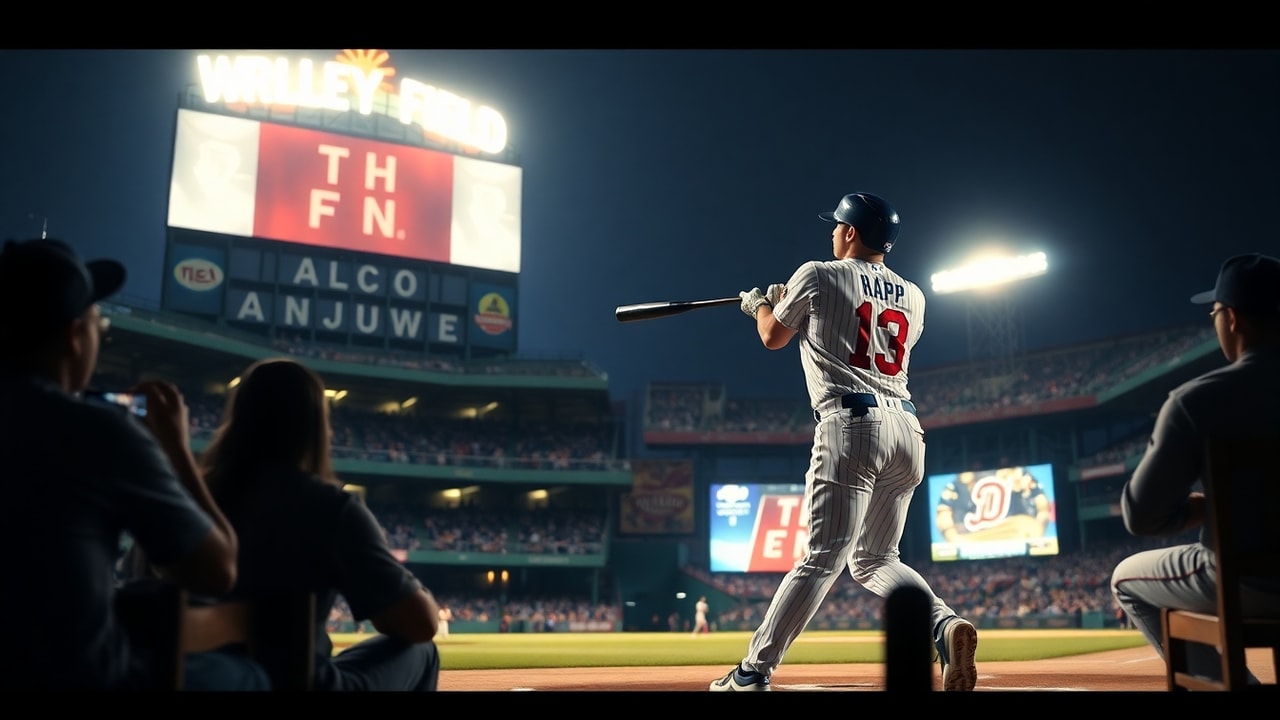
Detroit sports fans had plenty to talk about Tuesday night after Chicago’s Ian Happ delivered a momentum-shifting burst in the Cubs vs Brewers matchup, helping ignite a late-game rally and turning the outcome into a highlight-worthy MLB game recap.
For viewers watching from the Detroit area, the swing of the contest offered a familiar storyline: timely hitting, bullpen execution, and a stretch where one player’s at-bats seemed to flip the pressure. Happ’s impact—nicknamed by many fans for its “can’t-miss” timing—became the clip people shared long after first pitch.
Ian Happ’s big inning changes the tenor of Cubs vs Brewers
According to live game reports compiled by MLB.com, Happ’s performance came during a stretch when the Cubs needed to turn baserunners into runs. As Chicago worked through the lineup’s high-leverage opportunities, Happ’s production helped sustain rallies rather than let early gains disappear.
While inning-by-inning details vary by broadcaster, the common thread in the game coverage was consistent: once the Cubs got the ball out of the infield and into gaps, the Brewers had trouble controlling the pace of at-bats. Happ’s big inning didn’t just add runs—it forced Milwaukee to make strategic adjustments, including pitching changes and a tighter focus on limiting damage.
In the middle of that swing, fans across the Midwest—especially Detroit followers who track Chicago and Milwaukee matchups as part of the region’s broader baseball conversation—responded in real time. Social media posts referenced how Happ appeared to see the ball well and how Chicago’s baserunning and sequencing gave them multiple chances to push the lead.
Chicago Cubs highlights show more than one at-bat
Beyond the headline of Ian Happ big inning, the Chicago Cubs highlights from the night highlighted the Cubs’ ability to keep pressure on. Reports from MLB.com emphasized the way rallies were built: not only on hard contact, but also on discipline that extended at-bats and increased the pitch count.
Detroit fans often measure games like this against the Tigers’ style—how teams create scoring opportunities through patient hitting and timely execution. While the clubs involved were Chicago and Milwaukee, the baseball mechanics translated. Cubs hitters took advantage of mistakes, and the team’s defensive plays later in the game helped preserve momentum as the late innings tightened.
Impact on Detroit residents: a regional baseball pulse
Even though Detroit teams play in different matchups, baseball fandom in Metro Detroit is highly interconnected. Detroit’s sports audience routinely follows the broader American League and National League storylines, and weekday games like Cubs vs Brewers can influence how fans spend the evening—watching broadcasts, discussing highlights with friends, and engaging in local sports talk.
At the community level, regional sports attention also matters for local businesses. Detroit-area bars that host out-of-market games often see increased foot traffic during divisional or rivalry-style matchups. For many sports watchers, the “where were you when the big inning happened?” conversation is as much a part of the culture as the game itself.
“Fans don’t only follow their hometown team,” said one local media coordinator who works with Detroit-area sports programming, describing how Detroit’s baseball audience follows the wider Midwest for storylines that feel familiar—timely hitting, late-game bullpen decisions, and the players who become the night’s defining moments. (The coordinator requested anonymity because they were not authorized to speak on behalf of their organization.)
Why this kind of game travels well to the Motor City
Detroit’s sports culture prizes narratives built on turning points. A MLB game recap dominated by a single inning tends to spread quickly because it provides structure: a clear start (when the game shifted), the middle (where at-bats unfolded), and an ending (how the team responded under pressure). That makes these games especially shareable for audiences that may not watch every pitch of both clubs.
It also reinforces the Midwest’s shared baseball rhythm. Detroit fans—whether Cubs and Brewers supporters, or neutral viewers—tend to connect the dots between teams based on styles and roster storylines.
Background & data: what fans see in the numbers
Baseball analysis often points out that high-leverage production can come in bursts, even for players who might not lead the league in average across the full season. The way fans described Happ’s at-bats—looking for the right pitch, making adjustments after initial contact, and turning opportunities into multiple bases—matches the general understanding of how momentum operates in MLB.
To frame those shifts in a broader context, the U.S. Census Bureau reports that Detroit’s metropolitan region includes a diverse population with strong ties to many U.S. cities and fan bases (including Chicago and Milwaukee). That cross-regional connectivity helps explain why a Cubs vs Brewers game can draw real conversation even among people who primarily support Detroit clubs.
Meanwhile, MLB’s centralized stats reporting—often cited by national outlets—makes it easier for fans to quickly confirm what they saw on screen: lineup timing, plate appearances, and the sequence that leads to runs. As MLB.com noted in its game coverage, the Cubs’ offensive ability to keep rallies alive during key innings is often what separates close games from those that get out of reach.
What happens next for Chicago after Happ’s inning
After a night like this, the immediate question becomes consistency: can the Cubs replicate the situational hitting that fueled the Ian Happ big inning, or was the result heavily tied to matchup factors and timely pitch location? Milwaukee’s response—how it adjusts to the hitters who hurt it most—will likely shape the next meeting between the teams.
For Detroit-area fans, the takeaway is less about one game deciding a season and more about identifying which players can swing games under pressure. Happ’s standout stretch gives Chicago confidence in its lineup’s ability to produce in leverage situations, while Milwaukee will look to tighten the plan when the Cubs get runners on base.
In the short term, the conversation is likely to continue through the next round of MLB game recap coverage and the clip economy of highlights—because the inning’s narrative is simple and dramatic. The bigger challenge for both teams, though, is translating that same execution across different opponents, different ballparks, and different bullpen availability as the schedule moves forward.
For now, Detroit sports fans who were watching from home or local sports venues have a clear highlight to carry into the weekend: one decisive inning, one player’s timing, and a Cubs vs Brewers game that ended with a shift fans won’t forget.