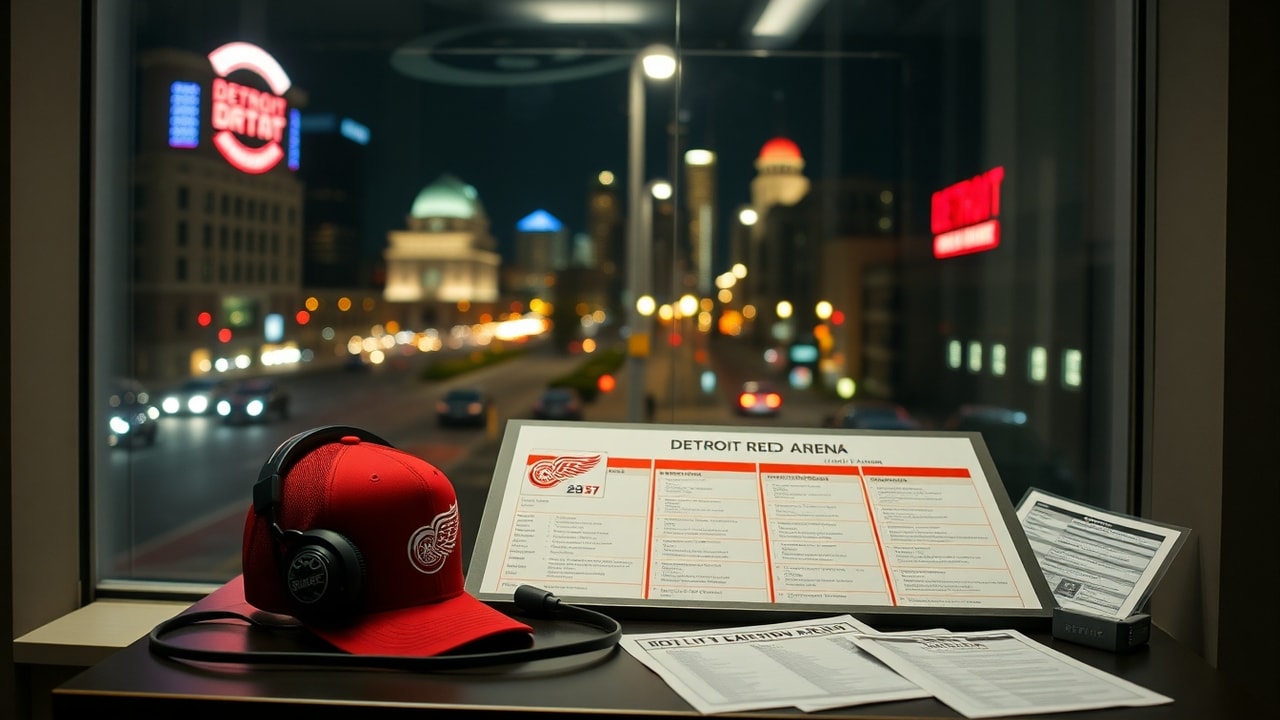
The Detroit Red Wings wrapped up their 2026 NHL Draft weekend with scouting priorities on full display—ranging from how the team evaluated emerging forwards and defensemen to the way it weighed organizational needs against the talent available on draft day. For Detroit fans, the weekend wasn’t just about names called in the early rounds; it was a glimpse at how the Detroit Red Wings are shaping their next wave of Detroit prospects after years of rebuilding through the draft and development pipeline.
While the Red Wings’ final board isn’t published publicly, Detroit-based reporting and the organization’s draft-day approach underscore a consistent theme: aligning player traits with the club’s style of play and ensuring the prospects can develop in the right environment once they join the system. According to the NHL’s official rules and draft format, teams have flexibility in selecting from a pool of eligible players based on their own evaluation models, medical reviews, and potential fit with organizational development plans.
What the 2026 Draft Weekend Looked Like for Detroit
Draft weekend is a mix of preparation and decision-making. For the Detroit Red Wings, that process centers on Red Wings scouting across North America and overseas, with an emphasis on consistency, skating quality, puck skills, and decision-making under pressure. Multiple Detroit-area hockey observers noted that this draft appeared especially focused on traits that translate quickly to pro systems—players who can handle defensive responsibilities and create offense without needing extensive structural changes.
One of the key storylines for Detroit was how the organization balanced immediate organizational depth with longer-term upside. According to Detroit Free Press coverage of the Red Wings’ development direction, the club has repeatedly stressed the importance of building a core that can be developed over time through AHL and junior pathways. That framing matters to fans because it contextualizes why Detroit may not chase a single, headline-grabbing archetype in a given year.
In practical terms, the weekend recap translates to three evaluation priorities:
- Versatility: players who can adapt to different roles and special-teams situations as they climb the system.
- Two-way responsibility: especially for forwards and mobile defensemen expected to support modern forechecking.
- Developmental fit: whether a prospect’s growth curve aligns with Detroit’s coaching resources and affiliate schedules.
Main Themes: Detroit Prospects and Organizational Needs
The Detroit Red Wings have spent recent seasons recalibrating their roster identity. That has made the 2026 NHL Draft weekend especially relevant for Detroit residents who follow how young players are brought along. A draft class’s value isn’t only in the current season impact; it’s in whether prospects can be integrated into the Red Wings’ pipeline—then turned into contributors at the NHL level.
According to Future Considerations and the NHL’s prospect coverage ecosystem, teams typically evaluate not just raw skill but “play-driving” factors that show up repeatedly at higher levels: quality of passing, defensive positioning, gap control, and the ability to make the next decision quickly. For Detroit, this approach is consistent with the franchise’s emphasis on building depth and improving transition play.
Why scouting traits matter more than hype
Prospect rankings may dominate draft conversation online, but Detroit’s scouting team appears to prioritize traits that can be coached and scaled. For example, players with strong skating—both speed and edge control—often project better into pro games where pace and spacing tighten. Likewise, defensemen who demonstrate calm gap management and clean outlet passing can become useful earlier, even if their offensive toolset grows over time.
That’s the context behind the Detroit-focused takeaway from draft weekend: it’s less about a single “star” projection and more about building a group of players whose strengths complement each other—right down to the Red Wings’ needs across forward depth, defensive stability, and power-play roles.
Impact on Detroit Residents
Even though NHL drafts are not a local business event in the traditional sense, draft weekend ripples through Detroit’s sports and community economy. Home-game atmosphere, local media coverage, and merchandise demand all react to the arrival of new prospects—and the prospect pipeline helps sustain fan interest through quieter stretches of the season.
According to the U.S. Census Bureau’s regional economic context for metropolitan areas, local sports industries contribute to broader entertainment spending, supporting jobs indirectly through hospitality, retail, and event services. While a draft itself doesn’t change employment overnight, sustaining competitive momentum helps keep Detroit’s sports ecosystem active—especially in the surrounding neighborhoods where fans gather before and after games.
There is also a cultural impact that Detroit residents recognize. The Red Wings remain a core franchise in a city where generations grew up with hockey as part of local identity. A draft class offers fresh storylines for schools, youth programs, and local youth hockey organizations as coaches discuss development pathways and what it takes to reach pro ranks.
For Detroit families tracking young players, the weekend recap provides something tangible: a clearer view of where the organization’s next wave of 2026 draft picks may land in the coming years—either in the AHL pipeline sooner than expected or continuing to develop in junior and college programs before making the leap.
Background & Data: How the 2026 NHL Draft Fits Detroit’s Plan
Detroit’s draft strategy sits within a broader league structure. The NHL draft is conducted under the league’s established eligibility rules, with teams selecting players based on scouting, interviews, and medical evaluations. According to the NHL’s published draft information, the draft order is tied to performance and lottery mechanics, while teams maintain full responsibility for roster construction decisions.
For the Detroit Red Wings, that structure matters because it shapes which player profiles become available in each slot. Over multiple drafts, teams can accumulate prospects with different skill sets and development timelines—creating flexibility later when it’s time to add NHL-ready players through internal development or trades.
In Detroit’s case, fans often evaluate progress by how quickly prospects move from junior or college to pro systems. The Red Wings’ development model typically emphasizes gradual readiness, especially for players expected to handle higher-responsibility minutes. That approach affects not only on-ice performance, but also how the organization uses minor-league affiliates and coaching staffs to standardize player development.
What Happens Next
Draft weekend is only the start of the process. After the selections, Detroit’s next steps include finalizing prospect contracts and development plans, completing post-draft evaluations, and integrating the players into the organization’s training and monitoring structure. Many prospects will continue playing in their current leagues while Detroit staff track performance, physical development, and readiness for the next competitive level.
For Detroit fans, the most immediate follow-up is how the drafted players perform in the months after selection—whether they remain in junior competition, move to professional development settings, or follow an NHL readiness timeline that evolves based on how they handle increased responsibilities.
In the broader sense, the 2026 NHL Draft weekend recap reinforces a long-running reality for the Detroit Red Wings: the organization builds its future at the intersection of scouting, player fit, and patient development. For residents watching local sports culture unfold, that work continues long after the podium moment—right through the training rinks, affiliate games, and evaluation sessions that ultimately determine which Detroit prospects become part of the next era.