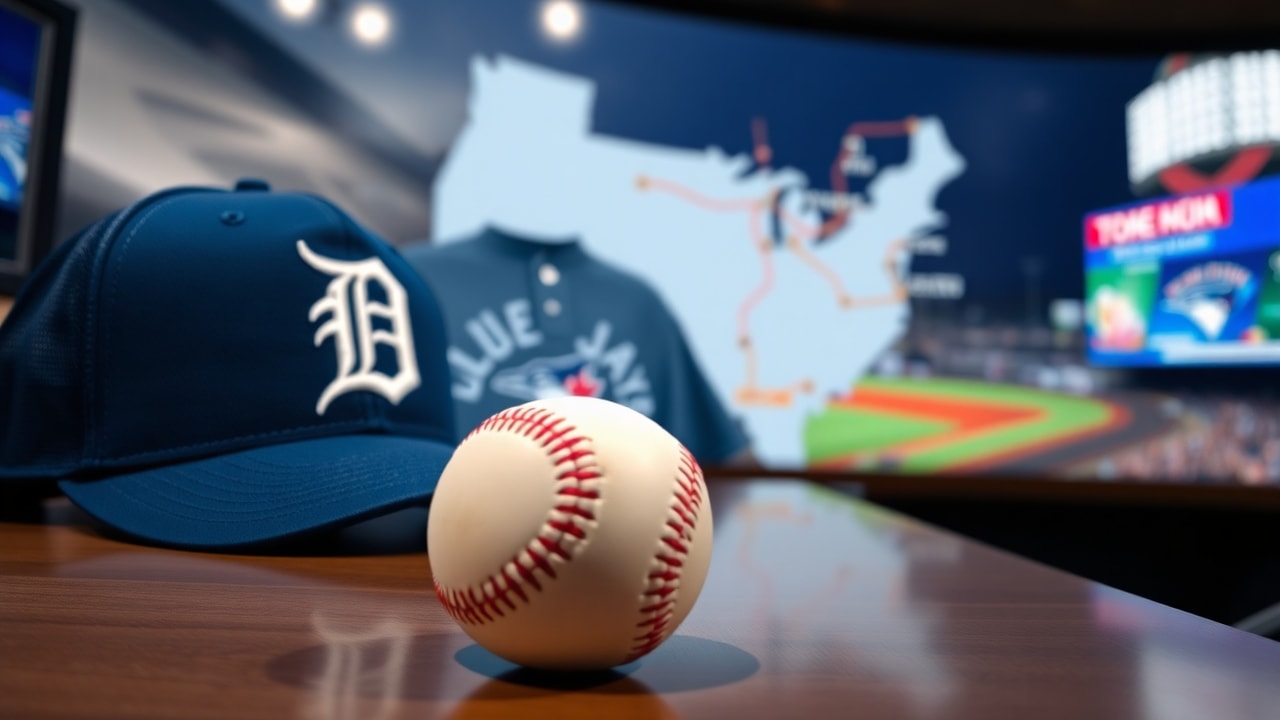
The American League trade landscape shifted Tuesday as the Toronto Blue Jays trade announced the acquisition of a catcher from the Oakland Athletics, a move that reshapes matchups and roster depth for teams competing with and against the Detroit Tigers this season.
For Detroit fans tracking how division rivals fortify their lineups, the transaction matters less for immediate standings than for what it signals: the Blue Jays are still actively building their pitching and defense profile behind the plate, while Oakland continues to move pieces as part of its broader roster strategy. The Tigers, who play the Blue Jays multiple times, will likely see the effects in how opponents manage games behind different catcher skill sets—pitch framing, game calling, and handling of the pitching staff.
According to a transaction report from MLB’s official website, the trade involved the Blue Jays acquiring a catcher from the Athletics as part of the clubs’ ongoing offseason-to-spring roster planning. Separately, MLB Trade Rumors noted that the catcher’s role is expected to include both catching duties and additional value through organization-level depth.
Toronto Blue Jays trade: what the catcher acquisition changes
A catcher is often more than a single position change. In many MLB games, the player behind the plate influences how pitchers attack hitters and how effectively the staff works through high-leverage situations. That’s why Detroit-area baseball followers pay attention to catcher acquisition news in the American League trade market: the ripple effects show up in pitch selection, runner management, and in-game adjustments.
In the Blue Jays’ case, the Toronto Blue Jays trade reflects a desire to ensure their staff has consistent receiving and defensive leadership. Catchers can affect outcomes indirectly, but consistently—controlling the running game, stabilizing the defensive alignment, and reducing the number of wasted pitches for pitchers adjusting to different arm angles and velocities.
“Catcher defense and handling of the staff are central to run prevention, especially as games get tighter,” said Jon Morosi, a baseball reporter who covers roster construction and game strategy across the American League, in recent coverage of how teams evaluate catching profiles. While specific performance forecasts vary by player, Morosi’s emphasis aligns with the broader baseball analytics focus on the catcher’s role in game management.
For the Athletics, sending a catcher as part of the American League trade picture continues the team’s pattern of prioritizing long-term roster flexibility. That means future Detroit opponents may face different personnel, which can influence how teams scout and plan at-bats.
Impact on Detroit Tigers: matchups, scouting, and the AL trade ripple
Detroit’s immediate games against Toronto are only part of the story. The bigger impact for the Detroit Tigers comes from a cascading shift in the American League’s competitive balance. When the Blue Jays upgrade or refine the position behind the plate, they can affect outcomes across the series—especially in close games where pitch sequences and baserunning decisions are magnified.
For the Tigers, who track opponent tendencies through both video and live scouting, a catcher acquisition can change the way pitchers prepare. If a new catcher calls different game plans, the hitters on opposing teams may see different pitch distributions and timing windows. That can influence league-wide scouting priorities, including which pitchers the Tigers face in certain counts and how often opponents press stolen-base opportunities.
According to data and team development research highlighted by Baseball-Reference and other major baseball analytics outlets, catcher impact is often most visible in consistent season-long contexts—such as handling pitchers and limiting opponent baserunning. While any single transaction does not automatically determine results, roster changes at catcher can alter how a team performs across repeated matchups.
Detroit-area supporters may also view the move through a competitive lens: trades rarely happen in isolation, and moves by one contender often push others to respond, even indirectly. If Toronto strengthens the defensive backbone behind its pitchers, it can raise the bar for consistency for teams like Detroit during stretches that include interdivisional play and AL road trips.
Background & data: why catcher trades attract attention
Historically, catcher trades are often quieter than blockbuster star deals, but they carry strategic weight. MLB lineups are built for daily production—hitters, bullpen arms, and defensive depth—and the catcher sits at the center of that daily operation.
In baseball systems, the catcher role blends athletic defense with communication. The player must coordinate with a pitching staff on pitch selection, adjust plans after mound visits, and manage the timing of game situations involving runners on base. That makes the catcher position difficult to replace quickly without a learning curve, particularly when a pitcher’s strengths and a catcher’s receiving style don’t fully sync immediately.
From a team-building perspective, the Oakland Athletics have generally treated transactions as opportunities to protect future flexibility. Meanwhile, the Blue Jays—situated in the American League—have incentives to maintain a competitive edge through roster balance. The transaction reported by major MLB outlets fits that logic: improving depth behind the plate can improve resilience over long stretches that include travel, doubleheaders, and bullpen usage patterns.
As MLB’s regular season approaches, these changes become more than roster news. They affect how teams manage fatigue and how managers decide whether to run frequently or play station-to-station offense. For Tigers fans looking for context, the Toronto Blue Jays trade is a reminder that roster moves can be about fine-tuning matchups as much as about headline names.
Local impact: why Detroit baseball fans follow AL trade moves
In the Detroit region, baseball is a community conversation. Tigers games are local events, and offseason and spring training trade news is a frequent topic among fans who discuss prospects, pitching matchups, and how the roster might evolve. When an American League club makes a move that can alter series outcomes, it naturally draws attention from Detroit audiences because the Tigers don’t play in a vacuum.
For local sports bars, radio programming, and online communities, MLB news Detroit often centers on what Detroit opponents are doing just beyond the city’s limits. That’s especially true for the American League, where repeated matchups create familiarity—and where even small changes can translate into measurable differences across a season.
Trade cycles also reflect how teams plan financially and competitively. For Detroit residents who follow sports as part of local culture, these moves provide a lens into broader league dynamics: how teams evaluate talent, when they choose to invest in performance, and how organizations manage the inevitable churn of roster construction.
What happens next for the Tigers and the AL race
After the Toronto Blue Jays trade lands, Detroit’s staff will likely adjust its game prep in three practical ways: scouting the new catcher’s tendencies, reevaluating pitch sequences against the receiving style, and tracking defensive patterns that influence baserunning and late-inning bullpen matchups.
In the short term, the Tigers’ relevance comes from series planning. If Detroit faces Toronto during key stretches, the catcher’s presence could influence how both teams handle high-leverage innings—particularly the sixth through ninth innings where managers emphasize bullpen matchups and baserunner control.
As for the Blue Jays and Athletics, the transaction also sets up an evaluation window. Teams typically expect some adjustment time, especially when integrating a new catcher into routine pitching communications. How quickly the player syncs with the pitching staff can determine immediate effectiveness behind the plate.
For fans, the next phase will be less about the trade announcement itself and more about the follow-through: lineups, receiving duties, defensive execution, and how the new catcher affects pitch-to-pitch decision-making in real games.
This is the kind of move that rarely makes the first page for casual fans—but it does make a difference over time. In an American League season shaped by long travel, thin margins, and repeated matchups, a catcher acquisition can be the quiet pivot that turns a few close games into a larger trend.