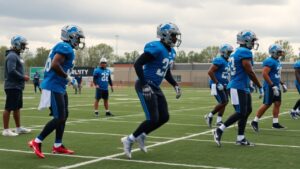
The Detroit Lions have released rookie cornerback Terrion Arnold following his arrest and subsequent kidnapping-related charges, according to team and court-related reporting. The move marks a rapid fall in a season that had previously centered on Arnold’s on-field development and Detroit’s push for a deeper playoff run.
The announcement comes as the legal process moves forward. Arnold’s status will now be determined by the court system, while the Lions and the wider NFL community are left to navigate the reputational and operational fallout tied to the allegations.
For Detroit residents watching local sports as part of the city’s cultural identity, the development raises familiar questions: how clubs handle off-field conduct, what accountability looks like in real time, and how a single case can ripple across fan trust and league policy.
Detroit Lions’ Terrion Arnold released after kidnapping charges
In a decision that the Lions framed as immediate, the team released Arnold after kidnapping charges were filed, multiple outlets reported. While the allegations have been the subject of public attention, the underlying facts will be contested in court and cannot be resolved through media accounts alone.
According to the State of Michigan courts system resources, criminal cases proceed through arraignment, pretrial motions, and hearings before any trial determination—meaning the timeline for resolution may be weeks or months. Until then, the presumption of innocence remains a core principle of the U.S. legal system.
League-wide, the NFL’s conduct and roster policies generally allow teams to take action once allegations surface, even while criminal proceedings remain pending. That approach aims to protect team operations, but it also places franchises under intense scrutiny from fans and civil rights advocates alike.
What the legal process could look like in Michigan
Detroit-area residents often follow high-profile cases through local reporting and public court calendars. In Michigan, criminal defendants typically begin the process at arraignment, where charges are read and conditions—such as bail, bond, or restrictions—may be set, depending on the case. Additional hearings follow as attorneys file motions related to evidence, procedure, or possible plea negotiations.
In this case, details released so far have focused on the fact that kidnapping charges were filed, not on a final adjudication. That distinction is central to how the story should be understood: an arrest triggers legal steps, but it does not establish guilt.
According to the Michigan courts’ general guidance, defendants and attorneys can request changes to conditions or seek dismissal in certain circumstances. The process also includes opportunities for prosecutors and defense counsel to argue about what evidence can be admitted.
Impact on Detroit Residents: roster changes and community trust
The most immediate Detroit impact is roster disruption. For Lions fans, the release changes expectations around the secondary and alters how the coaching staff will manage depth at cornerback and related coverage packages. While the on-field consequences will be evaluated through practice and upcoming games, the community impact is already visible in how residents are discussing the case.
Detroit’s sports culture is often described as a unifying force—one that brings neighbors together across different neighborhoods, ages, and backgrounds. When an NFL player is released amid legal trouble, that unity can come under strain, as some fans wrestle with anger, disappointment, or concern that the team’s values are being tested in ways that reach beyond football.
Local media coverage will likely continue to influence public sentiment. Community groups that track athlete conduct may also weigh in as additional facts emerge, especially if court documents or testimony provide new context.
Local businesses and game-day rhythms
While a single release does not automatically reshape Detroit’s economy, sports scandals can still affect local rhythms. On game days and during major story cycles, Detroit-area bars, restaurants, and retail locations often see shifts in customer behavior tied to headline intensity—sometimes increasing viewership-driven traffic, sometimes dampening enthusiasm depending on the perceived severity of allegations.
In addition, sponsors and corporate partners frequently monitor reputational risk. When controversies break quickly, marketing departments may adjust messaging around promotions or in-stadium presentations. Those steps vary by contract and timeline, but they can become an indirect part of the “Detroit news” story as well.
Background & Data: how cities process high-profile legal cases
Detroit residents are no strangers to high-profile cases—whether involving city government, public safety, or workplace disputes. In many such matters, the community learns to separate the headline from the evidentiary record.
Data from the U.S. Department of Justice indicates that the vast majority of criminal cases do not reach a final verdict quickly, and many are resolved through a combination of pretrial proceedings, plea negotiations, or trial schedules. Although federal datasets do not speak directly to this individual case, the broader pattern helps explain why residents may see prolonged uncertainty after arrests.
In practical terms, the Lions’ decision to release Arnold while the case is pending reflects how modern professional sports handle uncertainty. Teams often act to reduce risk and maintain organizational focus, even if public debate remains intense.
What happens next for the Lions and Terrion Arnold
For the Lions, the next steps are largely operational. The team will need to adjust the depth chart and may elevate other defensive backs or tweak scheme responsibilities to compensate for the sudden personnel change. Coaching staff will also manage the media environment as questions about accountability and league standards persist.
For Arnold, the next steps are legal. His case will proceed through scheduled court proceedings, where his defense may challenge the charges, negotiate possible terms, or prepare for a contested hearing or trial. Any future resolution—dismissal, reduction of charges, conviction, or acquittal—will determine what happens next in his professional career.
In the meantime, Detroit fans will continue to watch how quickly the team can refocus on the field. The Lions’ ability to maintain performance will likely be judged alongside the public’s assessment of the team’s response to alleged wrongdoing.
Bottom line: The release of Terrion Arnold after kidnapping charges has become a major Detroit news story that intersects sports, law, and community expectations. As the legal process unfolds, the decisive outcomes will belong to the courts—not headlines—and the Lions’ roster response will shape what the team looks like in the weeks ahead.