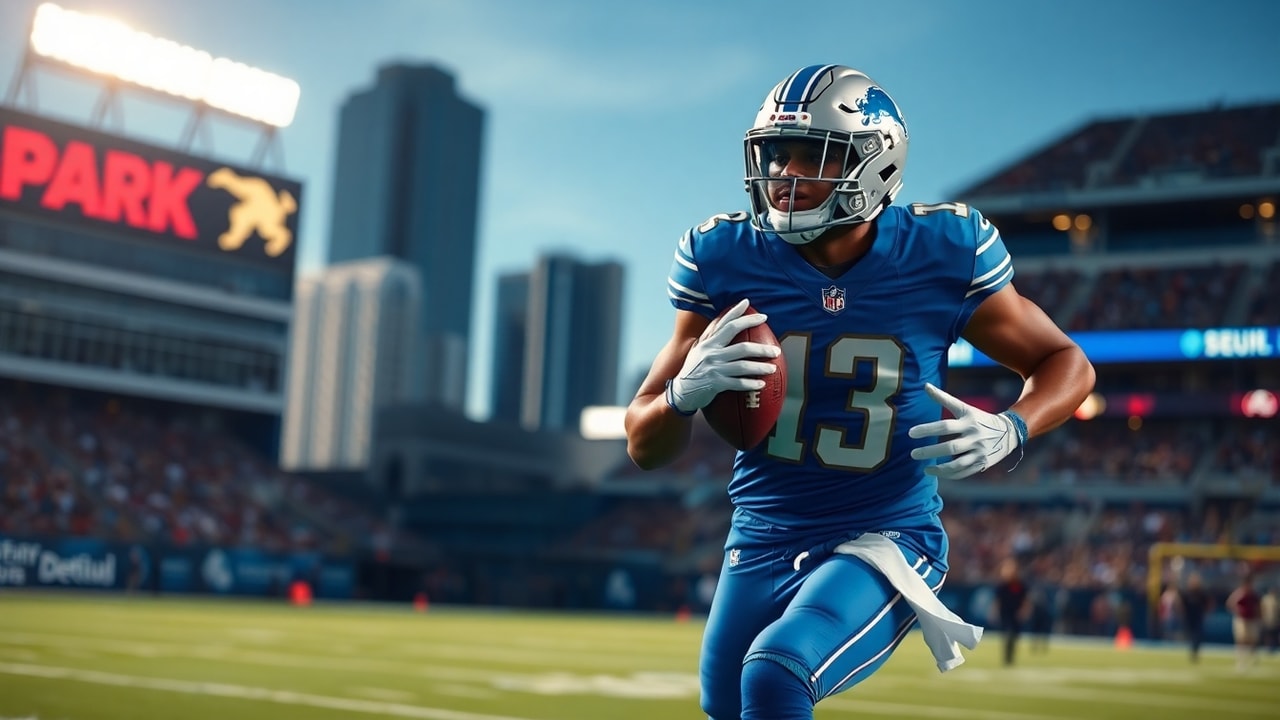
The Detroit Lions are weighing options at cornerback as they look toward the next phase of their secondary, with Terrion Arnold no longer a given on the roster. While NFL rosters can change quickly, the most realistic path to a Terrion Arnold replacement is not just free-agent shopping—teams often prefer trade for cornerbacks who can be plugged into a specific role.
For Detroit fans, that means watching upcoming NFL free agency rumors and, more importantly, the trade market around starters and high-upside reserves at the position. General managers typically target corners who can handle man coverage or transition quickly to a new scheme, especially when the schedule demands consistent coverage assignments from Week 1 onward.
Based on recent team needs and publicly discussed roster dynamics around the league, here are five cornerback trade targets the Lions could consider if they decide to pursue a faster fix than waiting for depth to develop internally.
1) Devon Witherspoon (Seattle Seahawks)
One of the more talked-about boundary corners in the NFL, Witherspoon offers the type of outside presence that fits many Lions defensive concepts, particularly if Detroit wants a true “top of the list” perimeter defender. Seattle’s roster construction and cap posture will shape whether a trade is plausible, but if the Seahawks decide they can’t keep everything they’ve invested in, a high-profile corner can become leverage.
According to Pro Football Reference and NFL game logs, Witherspoon has developed into a steady coverage option across multiple coverage looks. For Detroit, that translates into the ability to relieve pressure elsewhere in the Detroit secondary, especially when the team is rotating safeties and linebackers late in the down.
2) Jalen Ramsey (Miami Dolphins)
Ramsey remains a namesake talent even into later seasons of his career, and the Lions have shown willingness to pursue defensive players who can change how quarterbacks approach a field. If Miami’s defensive plans or roster priorities shift—whether due to cap management or broader rebuilding decisions—Ramsey is the kind of player who can be acquired via trade in the right circumstance.
Still, a move like this would come with tradeoffs. Detroit would need to assess availability, role fit, and the time horizon for the deal. But for the Lions, a Ramsey-style corner can be the clearest path to an immediate Detroit Lions secondary upgrade rather than rolling the dice on an untested starter.
3) Cameron Sutton (Pittsburgh Steelers)
Sutton has long been viewed as a reliable boundary presence, often used to cover outside receivers while the defense orchestrates support from the inside. If Pittsburgh looks to reshape its defense around younger assets, Sutton could become a trade candidate—particularly to teams seeking a veteran who can play both press and off-man responsibilities.
Coverage performance is only part of the equation; trade targets also depend on contract flexibility and how teams value positional depth. The NFL free agency rumors cycle can reveal whether a club is more likely to trade a veteran for draft capital than hold onto him through a transition.
4) Lassiter (Atlanta Falcons)
Atlanta’s corner room has fluctuated in recent seasons, but the potential for a young, scheme-compatible corner remains. If the Falcons’ long-term plans favor other defensive priorities, a second- or third-tier corner who is ready to assume starter-like responsibilities could surface as a market option.
Detroit’s defensive staff tends to emphasize fit—how quickly a player reads route combinations, matches leverage in coverage, and communicates in space. A trade for a younger corner can also preserve draft flexibility, allowing Detroit to reinforce other positions while upgrading the cornerback trade targets list.
5) Eric Murray Jr. (Tennessee Titans)
The Titans have used defensive scheming to create opportunities for corners who can perform in man coverage and provide stability against deeper routes. If Tennessee’s roster direction pivots away from a particular player group, Detroit could explore a trade for a corner with strong coverage instincts and the ability to handle isolated coverage assignments.
For a team like the Lions—building for both improvement and consistency—adding a corner through trade can reduce the margin for error in coverage execution. That’s particularly relevant when Detroit’s scheme asks defenders to transition quickly on play-action, screens, and route combinations that stretch the middle of the field.
Impact on Detroit Residents: Why the Cornerback Position Matters
For Detroit residents, changes to the Detroit Lions roster aren’t just sports chatter. A competitive team can affect local spending and community engagement—from game-day business traffic to youth sports participation. When a franchise strengthens its defense, it can also help sustain fan interest throughout the season, supporting local media, bars, and restaurants that build weekly routines around Sunday games.
Even beyond direct game attendance, NFL performance can influence broader entertainment spending. According to the U.S. Bureau of Economic Analysis, consumer spending patterns can shift with major events, including sports seasons that concentrate discretionary dollars. While that data isn’t Lions-specific, it helps explain why roster moves—particularly those tied to winning—often resonate more widely than fans may expect.
From a neighborhood perspective, Lions Sundays are a social anchor. Community groups and local organizers often coordinate watch gatherings, charity events, and youth football clinics that benefit when the team is trending upward. A credible Terrion Arnold replacement conversation signals Detroit’s intention to remain competitive, which can help keep those community touchpoints active.
Background & Data: How Trade Markets Form
It’s important to separate what fans want from what’s feasible. Trade scenarios typically depend on three factors: roster need, contract structure, and timing—especially around the league’s transaction windows.
First, teams evaluate whether they can afford to keep certain players while meeting payroll constraints. Second, they assess whether the cornerback room provides enough depth to withstand injuries and performance swings. Third, they consider what they can acquire in return—often draft picks—versus the risk of losing a player to free agency.
For context on player movement, the National Football League’s transaction rules and the broader collective bargaining framework shape how clubs approach trades. While exact outcomes vary each offseason, the league’s regular operating calendar tends to make early-season bargaining more likely for teams that want to lock in roster identity before the schedule becomes less forgiving.
Finally, any discussion of trade for cornerbacks should include scheme fit. Lions defensive play often depends on leverage decisions and communication between the boundary corner and safety rotation. That means a successful Detroit secondary upgrade usually comes from a player who can execute coverage responsibilities with minimal re-teaching.
What Happens Next for the Lions
Detroit’s front office could explore several paths: a trade to secure immediate coverage help, a short-term free agent signing to stabilize depth, or a draft-focused approach if the market doesn’t align with cost. However, if the Lions decide that a Terrion Arnold replacement should be handled quickly, the most efficient strategy is often a trade for a corner who already understands NFL-level route and timing patterns.
Watch for three signals in the coming weeks: team-level roster messaging (including public comments from club leadership), changes in reported availability during the NFL free agency rumors cycle, and how other franchises address positional needs. If multiple contenders appear to be shopping the same position group, it could also increase Detroit’s leverage.
For Lions fans, the offseason and early transaction windows will likely determine whether Detroit can upgrade the boundary position through a deal—or whether the team will instead prioritize long-term development. Either way, the cornerback room is a high-impact lever, and the Detroit Lions have the cap, draft resources, and urgency to treat it as a priority.