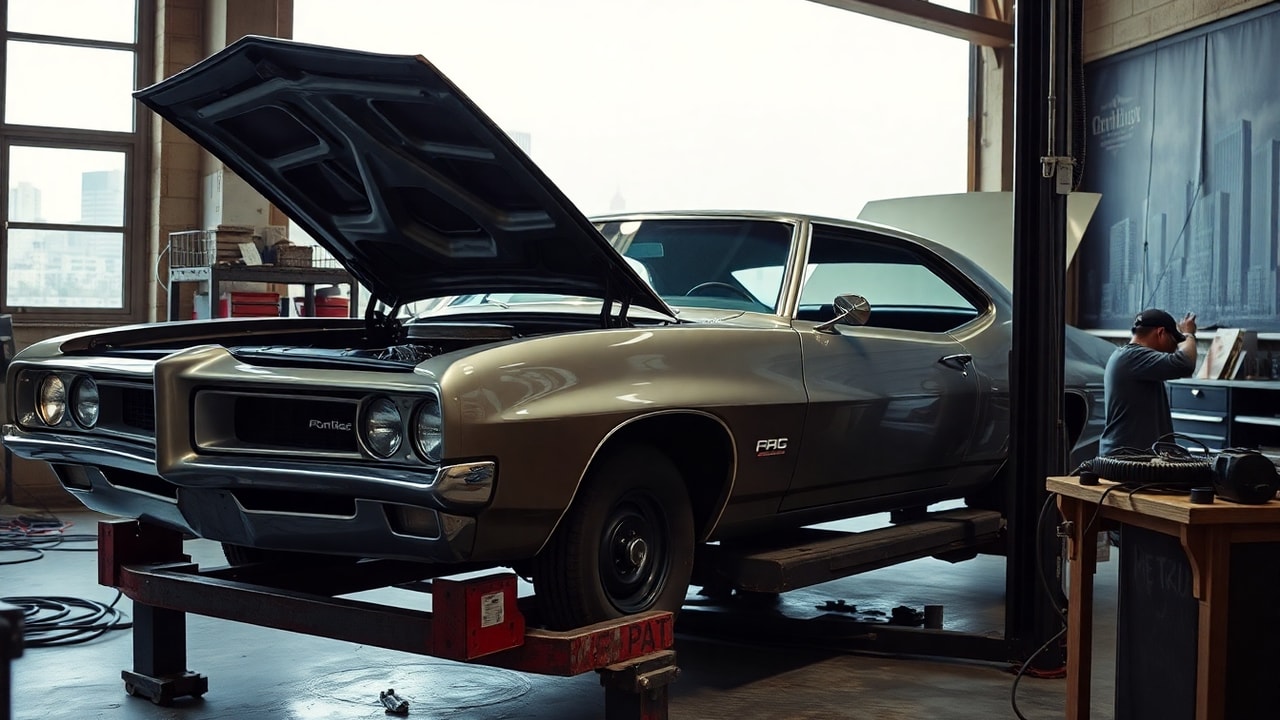
In garages across Metro Detroit, a familiar kind of wrench-work is making a comeback: rebuilding aging Pontiac performance coupés—cars that still carry the weight of Detroit automotive nostalgia and the culture of the muscle-car era. From starter engines to full driveline refreshes, owners say they’re increasingly seeking restoration shops willing to treat these vehicles less like collectibles and more like daily-drive projects rebuilt to live again.
The renewed interest is surfacing as many enthusiasts look beyond speculation and toward stewardship—parts sourcing, bodywork, and correct-era mechanical upgrades. While the market for classic cars has long been active, local shop owners and industry advocates say the current wave feels different: Pontiac-specific demand, particularly for performance-coupe configurations, is rising alongside a broader muscle car revival.
Pontiac rebuild demand grows as owners prioritize drivability
For fans of the marque, the push is not simply about restoring badges. It’s about keeping the cars on the road. “We’re seeing customers who want authenticity, but they also want reliability—cooling, fuel delivery, and electrical systems that won’t strand them,” said Tom Glover, a Detroit-area classic-car restoration shop owner who works on late-era and performance-focused Pontiacs. According to Glover, many inquiries start with original documentation, then pivot to “what it takes to rebuild it the right way for today’s traffic.”
That sentiment aligns with what local auto-services providers say they’re experiencing more broadly: a customer base that understands the limits of untouched, decades-old components and is willing to invest in rebuilding the systems that enable long-term ownership.
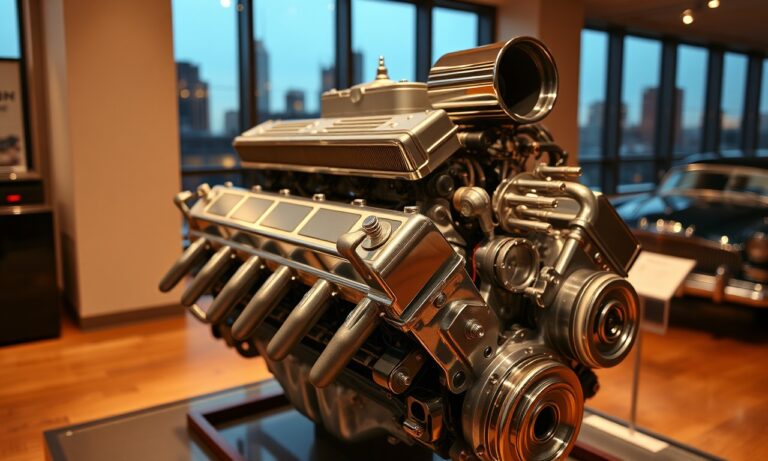
Enthusiasts describe a typical rebuild path that starts with assessing rust and structural integrity, followed by engine and transmission work. Many projects also include updated braking hardware, improved suspension geometry, and refinements to charging and ignition systems—changes that aim to preserve the look while addressing common wear points.
“There’s an emotional attachment, but there’s also a practical side,” said Kristen Miller, a Michigan-based volunteer and historian with the Wings Over Water/automotive education community (a local outreach group that supports hands-on preservation learning). Miller noted that car culture in the region isn’t only about shows; it’s about rebuilding skills and knowledge. “Detroit has always been where people came to build things. When they rebuild these cars, they’re rebuilding confidence in what can be fixed.”
Impact on Detroit residents: jobs, parts supply, and neighborhood workshops
Detroit automotive nostalgia can sometimes read like a throwback—an aesthetic rooted in tailfins and showroom shine. But in practice, the resurgence around Pontiac performance coupés is creating tangible ripple effects in the city’s business ecosystem.
Independent mechanics, body shops, upholstery specialists, and machine shops often rely on repeat customers who need more than one visit. Restorations can be multi-month projects, which tends to spread revenue across multiple trades rather than concentrating it in a single sale. That matters in neighborhoods where small businesses compete with national chains for visibility and operating stability.
Local economic conditions also shape demand. According to U.S. Census Bureau data on business patterns, Michigan includes tens of thousands of non-employer and employer establishments that support skilled services. While the Census data is not specific to classic car restoration, it reflects the broader presence of small service providers that can benefit from specialty work when consumer confidence and discretionary spending rise.
In addition to direct labor, there’s a secondary market: parts procurement and logistics. Owners may source reproduction components, factory-style upgrades, and specialty hardware through national suppliers, but Detroit-area shops frequently coordinate with local warehouses, shipping companies, and fulfillment partners. The result is a network effect—restoration demand supports jobs that often don’t appear in headline statistics but are central to day-to-day economic activity.
For Detroit residents, especially those interested in trades, the current interest in Pontiac rebuilds can also translate into apprenticeships and practical learning opportunities. Skilled work—welding, wiring, engine calibration, and paint finishing—can be taught and practiced in small shops that benefit from a steady stream of project cars.
Background & data: why “classic” is shifting toward “restorable”
Part of the momentum comes from changing ownership patterns. Classic car buyers increasingly weigh maintenance costs and long-term usability, not just rarity. That shift influences what shops can credibly offer: rebuild packages that make the car driveable today while maintaining historical integrity.
Michigan’s weather adds another incentive. Rust and corrosion aren’t hypothetical here; they’re structural realities. As a result, restorations often focus on preventing future deterioration—porch-like underbody repairs, corrosion treatment, and careful replacement of compromised structural sections.
Enthusiast groups also play a role in normalizing rebuild conversations. The Academy of Model Aeronautics / automotive preservation circles may not set policy, but they shape expectations around documentation, correct-era components, and methods. Meanwhile, the broader muscle car revival has made performance-oriented Pontiacs more visible again in local online communities and at regional events.
At the same time, affordability remains a key barrier. Rebuilding a Pontiac performance coupe can be expensive when factoring in bodywork, drivetrain parts, and labor. The market’s direction therefore tends to favor owners who can wait for projects, shop locally for specialized labor, or coordinate partial restoration plans across seasons.
Main streets for car culture: where the interest shows up
The rebuild wave isn’t confined to shop bay doors. It surfaces at weekend gatherings, swap meets, and local club meetings where owners compare notes on wiring diagrams, carburetion choices, and sourcing hard-to-find components. Several restoration professionals say the most successful projects start with a clear plan—confirming the car’s baseline condition before ordering parts.
That planning culture is increasingly Detroit-centered. Many buyers want repairs done with knowledge of local rust history and Michigan-specific driving conditions. In that context, Pontiac rebuild demand isn’t just an enthusiast niche; it’s a practical service need rooted in the region’s climate and manufacturing heritage.
What happens next for Pontiac performance coupés in Detroit
In the near term, shops expect demand to remain steady as owners continue to identify which models are worth rebuilding and which are better suited for parts-only projects. The challenge will be capacity—restoration queues can stretch, and skilled labor is not infinitely expandable. Parts availability is another variable: some components are easy to source, while others may require longer lead times or custom fabrication.
Local organizations say they plan to keep education and preservation efforts active. “The best way to keep this moving is to build knowledge, not just interest,” Miller said. She added that structured learning—from simple maintenance to more advanced restoration skills—helps new owners understand what rebuilds require before they start spending.
For Detroit’s classic car community, the rebuild trend ultimately functions as a bridge between generations. Pontiac performance coupés offer a recognizable connection to Detroit automotive nostalgia, but the rebuild process—problem-solving, planning, and mechanical work—keeps the culture anchored in real labor and real local businesses.
Whether these cars become weekend-only icons or better-integrated daily drivers, the underlying story is consistent: Detroit enthusiasts want to keep the performance tradition alive, and more of them are choosing to rebuild instead of wait.