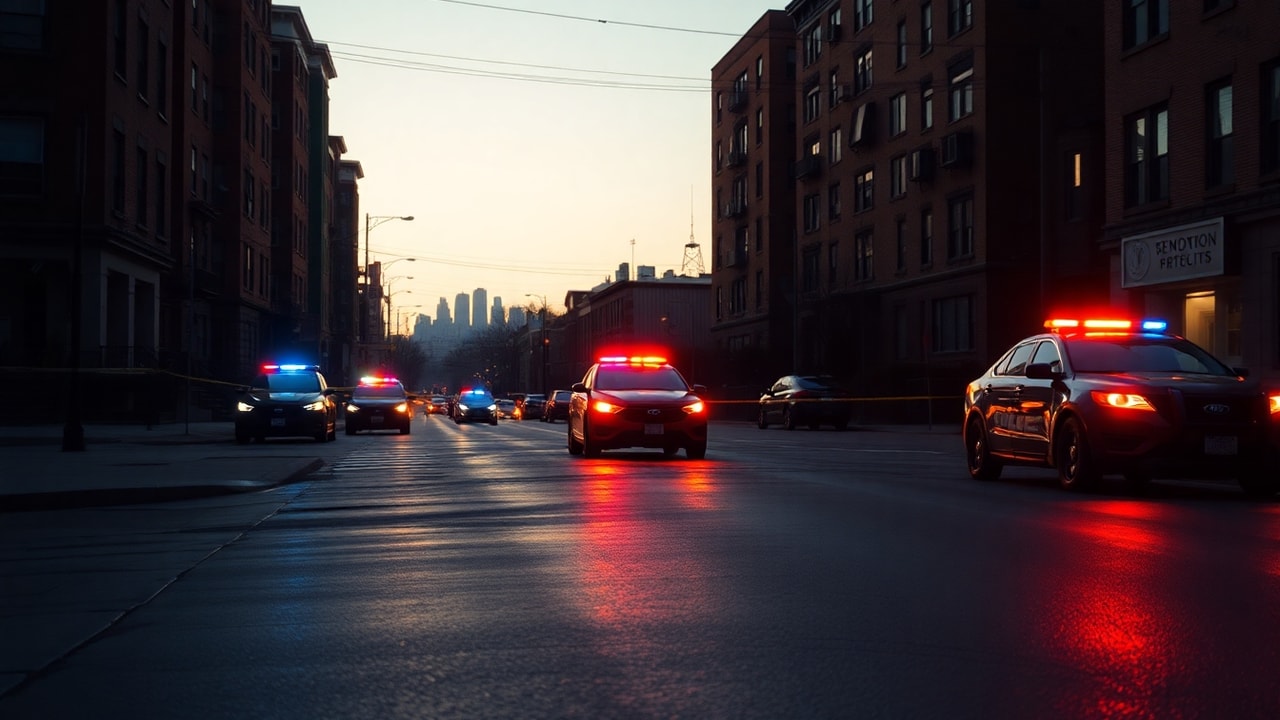
Police response intensified on Detroit’s west side Tuesday as officers worked to contain a barricaded situation reported in a residential area, according to authorities. The incident triggered an active standoff for a time while negotiators and patrol units coordinated on scene, Detroit residents near the area were asked to shelter in place or avoid the vicinity for safety.
As the situation developed, the Detroit Police Department (DPD) advised the public to keep clear of the block and to follow instructions from officers. Emergency crews staged nearby, and local traffic patterns were altered as law enforcement secured the perimeter.
Police Response as Barricaded Situation Developed
According to a statement from the Detroit Police Department, officers responded to reports of a barricaded person shortly after receiving calls about an ongoing threat in the neighborhood. The department said additional units were requested to assist, and officers established a perimeter to keep bystanders out of the area while specialized personnel and negotiators were brought in.
Local updates from Wayne County and emergency management channels echoed the department’s call for public caution. In guidance shared during the incident, officials urged residents to avoid the streets near the scene and to monitor official alerts for changes, noting that developing circumstances can create unpredictable risks for anyone nearby.
By early afternoon, DPD indicated that officers remained in active communication and continued coordinating resources on scene. The department did not immediately release details about the suspect’s identity or the nature of the initial allegation, and investigators said more information would come as the response concluded and follow-up procedures advanced.
Impact on Detroit Residents
The barricaded situation disrupted daily routines for families living and working nearby. Residents in the immediate area reported difficulty accessing driveways and side streets as the perimeter expanded and remained in place for periods while officers assessed the scene. Some residents also said they received alerts instructing them to stay inside while police conducted the active standoff response.
For Detroit commuters, the incident resulted in localized delays as traffic control measures reduced through-traffic. Businesses and neighbors along nearby corridors experienced a drop in foot traffic while police response teams kept roads clear for emergency vehicles.
Public safety guidance during Detroit incidents like this typically emphasizes three immediate actions: stay away from the scene, avoid sharing unverified information online, and follow any shelter-in-place or evacuation instructions issued by officials. Detroit residents are often reminded that emergency responders may need to adjust movement plans quickly based on evolving conditions at the scene.
Background & Data on Detroit Incidents and Community Safety
Detroit’s west side communities have long navigated competing pressures—public safety challenges, neighborhood development, and the need for reliable communication during emergencies. While each incident is unique, law enforcement response patterns can be shaped by broader trends in calls for service and the city’s approach to de-escalation and incident command.
Data from the U.S. Census Bureau shows that Detroit’s population density varies by neighborhood, affecting how quickly crowds form and how difficult it can be to keep bystanders away during fast-moving situations. Neighborhood layout can also influence perimeter decisions—especially when barricaded events involve homes close to other residences or multiple access points.
In addition, the City of Detroit has previously emphasized a public communications framework during emergencies. According to information published by the City of Detroit, official channels are designed to provide timely guidance and reduce confusion, including calls to use the correct sources for updates rather than rumors. During an active standoff, that guidance matters because misinformation can lead people to approach dangerous areas or to misinterpret officer instructions.
Local safety experts also note that outcomes in barricaded situations often depend on time and coordination: officers must secure the perimeter, establish communications, and determine the safest path forward for both residents and responders. The incident on Detroit’s west side followed that general approach as negotiators and specialized units took lead roles while patrol units handled containment.
Why “Active Standoff” Matters for Public Safety
When officials describe an active standoff, they typically mean that police response includes more than routine patrol—there are heightened risks, including unknown threats inside the residence or structure involved. That is why officials often expand the perimeter and request that residents shelter in place or avoid travel near the scene.
Residents can also be affected in practical ways beyond physical safety. Cell service and power can become unpredictable near incidents, and road closures can alter transit routes. For those with medical needs, city advisories in similar Detroit incidents often recommend preparing for possible delays by keeping emergency contacts accessible and monitoring official updates.
What Happens Next
Officials said follow-up actions would continue after the barricaded situation resolves. Typically, investigations into the events that led to the active standoff include interviews, evidence collection, and a review of police body-worn camera and communications logs. In some cases, the department also coordinates with other agencies depending on whether a crime is confirmed, whether there are injuries, and whether there are related calls for service in the area.
For Detroit residents trying to understand the aftermath, the key sources of verified information are official DPD releases, City of Detroit emergency communications, and follow-up statements from prosecutors or investigators as cases are assessed. Until those updates are available, officials often caution the public against assumptions about motive or identity.
The incident underscores how quickly police response can change on Detroit’s west side when circumstances require an expanded perimeter and negotiator-led approaches. As authorities continue to investigate, residents are encouraged to remain alert to future safety alerts Detroit officials may issue and to avoid the temptation to approach scenes for photos or firsthand accounts.
This article will be updated as more information becomes available from the Detroit Police Department and other official sources.