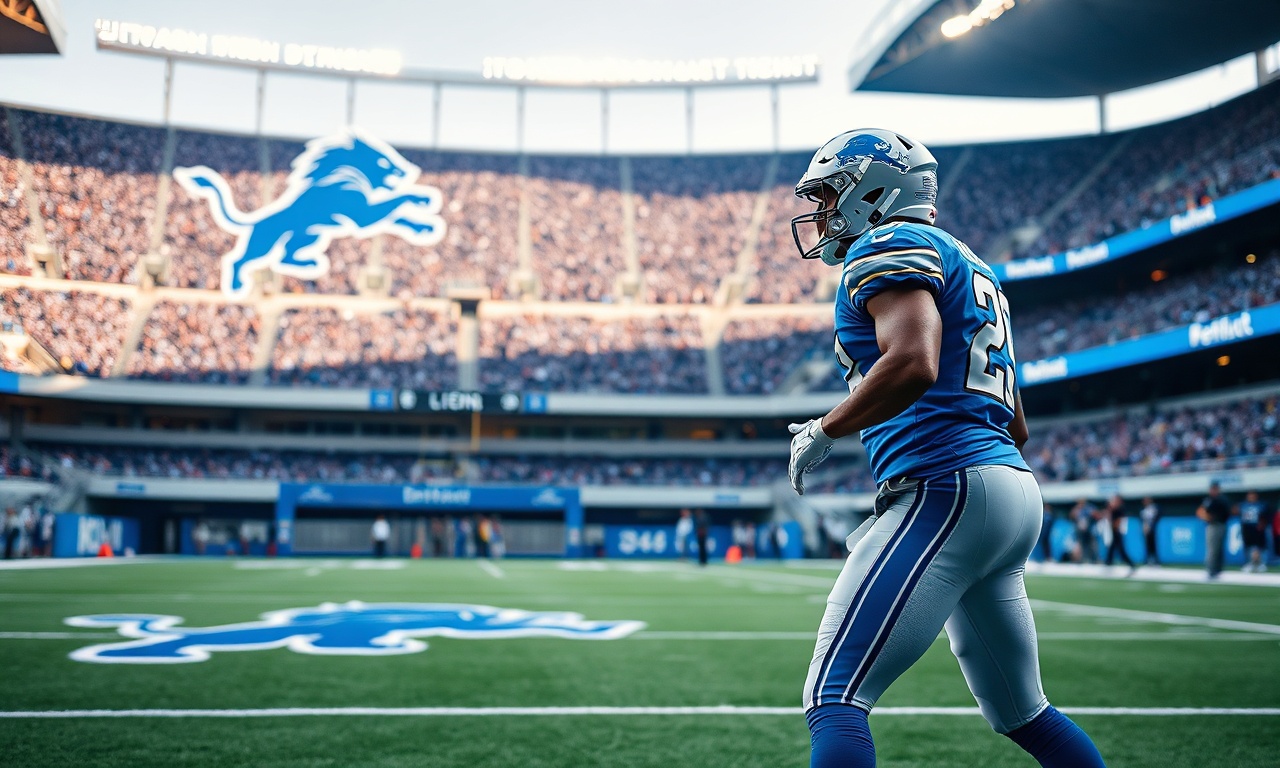
The Detroit Lions’ offseason roster decisions are already drawing attention from fans watching every move toward the secondary. One name that has surfaced in Detroit NFL rumors is cornerback Zyon McCollum, with speculation swirling around what a Detroit Lions trade for the player could mean for the team’s coverage plans, depth, and overall flexibility on defense.
While the Lions have not publicly confirmed any steps toward a deal, the possibility of acquiring a cornerback like McCollum reflects a common offseason priority for NFL teams: closing gaps in the defensive backfield—either by upgrading starters, adding reliable depth, or creating more pressure to perform week to week.
What a Zyon McCollum trade could change for the Lions
A cornerback acquisition can be evaluated in two broad ways: how it affects the Lions’ starting lineup, and how it influences the drop-off when injuries or matchups require rotation. In a league where passing efficiency is a weekly headline, even small changes in coverage roles can ripple into third-down outcomes and big-play prevention.
McCollum’s potential value, based on what NFL observers typically look for in cornerback prospects and role players—man and zone coverage instincts, competitiveness at the catch point, and the ability to stay disciplined in the Lions’ defensive scheme—would likely be assessed through training camp practices and preseason matchups. If Detroit NFL rumors are pointing toward a trade rather than waiting on the draft, it suggests the team may be trying to address a more immediate need.
Pros: Why Lions fans could like the idea
First, adding a cornerback can strengthen secondary depth—a practical advantage over a full season. The Lions have, like most teams, faced stretches where injuries and performance dips require defensive backs to play outside their usual comfort zones. A traded-in defensive back can reduce the reliance on inexperienced replacements and better preserve game plans.
Second, a cornerback McCollum trade could improve matchup flexibility. Modern defensive strategies often shift between coverages, and a roster that includes a player who can handle multiple looks may help Detroit avoid predictable patterns. When opponents know a defense’s personnel limitations, they can tailor routes around them. By contrast, more options can keep offensive coordinators guessing.
Third, making a move for a specific position can be about timing. According to the U.S. Bureau of Labor Statistics, the average U.S. workweek has been volatile in recent years due to operational needs across industries (including sports-like scheduling demands). While that statistic isn’t about the NFL, it underscores a broader management reality: teams often act when the window is open rather than waiting indefinitely for the “right” moment. In NFL roster terms, that means weighing trade value now against the uncertainty of offseason development.
Finally, from a fan perspective in Detroit, a meaningful secondary move can raise expectations for late-season execution—especially when games tighten and defensive stops become more decisive. A cornerback addition that helps the Lions limit explosive passes can directly affect the competitiveness of every Sunday afternoon and the team’s ability to keep postseason hopes alive.
Cons: What could go wrong with a Detroit Lions trade
Despite the appeal of improving coverage, trading for a player is rarely a simple upgrade. The first risk is cost. Any Detroit Lions trade—even a one-year or role-oriented acquisition—requires giving up assets such as draft capital or salary cap room. If the Lions surrender too much for a depth piece, that can limit future options for other positions, including up-front defensive line depth or offensive line depth.
The second risk is fit. Cornerbacks are not interchangeable. A player may look promising on film but still need time to adjust to scheme terminology, communication responsibilities, and how the Lions deploy their safeties. If McCollum is acquired primarily as a “best available” solution, the Lions must ensure he aligns with their cover rules and in-game adjustments.
Third, there is always performance variance. NFL players can arrive on teams with strong reputations but experience uneven results due to injuries, confidence, or differences in coaching emphasis. For teams managing multiple roster decisions at once, a misstep can be harder to correct midseason.
Fourth, trades can unintentionally disrupt team chemistry and depth chart clarity. Even when an acquisition is intended to help, it can create uncertainty—especially among existing defensive backs who were counting on a defined role. In-season cohesion is subtle, and corners must communicate quickly, particularly on snap-to-snap adjustments.
Impact on Detroit Residents: More than football on Sundays
Detroit sports matter economically and socially, and roster changes can affect everything from local sports media cycles to fan engagement. The Lions operate as a major city entertainment draw, and coverage of Detroit NFL rumors tends to intensify during offseason windows when fans are eager for signal from the front office.
Local sports businesses—from watch venues to merchandise retailers—often see increased activity when fans believe the team is making meaningful moves. Even outside of game days, roster chatter can increase foot traffic to downtown and suburban areas hosting fan gatherings and broadcasts.
There is also an indirect community angle. According to the National Recreation and Park Association (NRPA), organized sports and youth athletic opportunities are closely tied to community investment and participation. When professional teams inspire greater engagement, local youth programs can benefit from heightened interest in football participation and coaching resources. A perceived defensive upgrade could, in turn, sustain that momentum.
Still, it’s important to keep perspective. A trade for McCollum, if it happens, is not a policy lever for Detroit communities. The impact is mostly cultural and economic—short to medium term—manifesting through media, local commerce, and fan energy.
Background & Data: Why secondary decisions are scrutinized
Evaluating a cornerback acquisition requires looking beyond the player’s highlights. For front offices, the most pressing question is how the move affects defensive outcomes across different passing situations: early downs, third downs, and coverage versus hurry-up offenses. Analytics-heavy teams also consider how a player performs in structured coverage versus improvisational reads.
While this article does not assume a trade is certain, it’s useful to understand why Detroit NFL rumors gain traction. Cornerback is a position that can swing both game results and postseason outcomes, and teams frequently explore acquisitions when they believe they can improve coverage without fully rebuilding.
In the larger Detroit context, the Lions’ roster management is taking place alongside other major league dynamics in the region. Detroit’s sports ecosystem is competitive for attention, and football roster news tends to be one of the most consistent sources of offseason headlines. That’s part of why a cornerback McCollum rumor—whether it ends in a trade or fades away—still resonates with local audiences.
According to Overthecap, teams must actively manage salary cap implications each offseason to maintain flexibility while still fielding competitive units. This is a practical constraint that shapes every transaction: even if a team identifies a player it likes, the deal has to fit within overall roster math.
What happens next for the Lions
If the Lions are truly exploring a Zyon McCollum trade, the next steps will likely show up in a few places. Fans should watch for changes in veteran cornerback usage during organized team activities, plus any sudden shifts in how the staff discusses defensive back responsibilities. In practice settings, the team’s willingness to experiment with coverage packages can signal whether a new cornerback is intended as a long-term fit or a short-term depth solution.
Detroit also has to balance the trade market with internal player development. If the Lions believe an existing cornerback can step into a larger role, that may reduce the urgency to part with assets. Conversely, if training camp reveals coverage communication issues or matchup weaknesses, that could increase the likelihood of a move.
For now, the speculation remains exactly that: speculation. But Detroit NFL rumors around secondary depth will continue until the Lions close the gap between what they want on the field and what the current roster provides. Whether the team ultimately targets McCollum or pursues another option, the underlying priority is clear—Detroit wants a secondary that can handle both the week-to-week grind and the high-stakes moments that decide seasons.