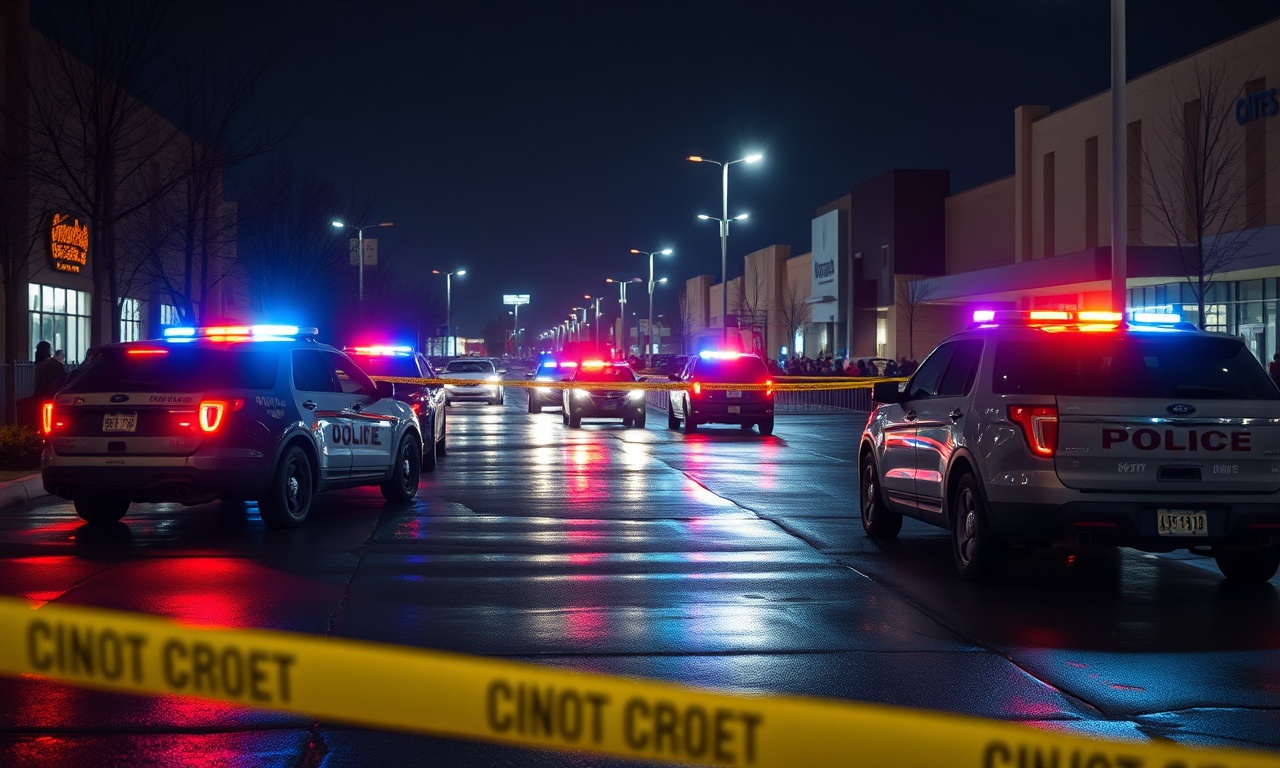
Shots were reported during an active-shooter incident at a mall in Dearborn, prompting an immediate police response near Detroit, according to initial public alerts. Viral video circulated online showed gunfire and emergency lights in the area, while authorities urged people to shelter in place or avoid the vicinity.
As of the latest updates, Detroit-area law enforcement agencies were coordinating on scene. Officials have not released full details about the number of victims or suspects, and reporters cautioned that early information online can be incomplete or inaccurate.
Dearborn mall shooting report prompts rapid police response
Police response Dearborn began within minutes of calls reporting gunfire, according to a statement from local law enforcement messaging shared through official channels. Officers moved to secure the scene and establish a perimeter, while emergency medical personnel prepared to treat possible casualties.
In addition to Dearborn police, nearby agencies in the Detroit metro area responded to assist with traffic control and public safety, reflecting standard coordination for incidents with potential mass-casualty risk.
According to Ready.gov guidance on active shooter situations, authorities often advise the public to follow instructions from emergency responders and to move away from the danger area if they can do so safely. That advice aligns with what residents typically experience during fast-moving incidents: clear, consistent direction is critical when information changes rapidly.
What witnesses and viral video show
Several videos shared on social media captured chaotic scenes near the mall, including flashes consistent with gunfire and people running away from the sound. Such footage, while useful in confirming that an incident occurred, should not be treated as a source for definitive facts about who fired, how many shots were fired, or what happened to victims.
News organizations generally wait for confirmation from police before drawing conclusions, because early clips can be misdated, lack context, or show different moments stitched together.
Impact on Detroit residents
Even though the incident occurred in Dearborn, it has immediate spillover effects for Detroit residents. The Detroit metro area is tightly connected by commuting routes and shared transit corridors, meaning road closures, diverted traffic, and large police presences can impact travel to and from nearby neighborhoods.
Local businesses in the wider area may also feel short-term disruption as officials maintain perimeters and instruct residents to avoid the scene. In past incidents in the region, nearby establishments experienced changes to hours, reduced foot traffic, and heightened demand for safety information.
For residents, the practical concern is twofold: staying safe and staying informed. Authorities often recommend sheltering in place when travel would put people closer to danger, while encouraging those who are already nearby to follow evacuation instructions. Detroit-area residents with family or work ties to the mall or surrounding streets are also likely to experience delays in reaching loved ones until communications stabilize.
Public safety guidance for the Detroit metro area
During active-shooter events, preparedness resources emphasize three widely repeated actions: run if you can do so safely, hide if you cannot, and prepare by making quick decisions based on the best available information. According to FBI active shooter guidance, individuals should also be ready to communicate their location to authorities when it is safe to do so.
Those steps can be especially important in a mall environment where entrances, escalators, and crowded corridors limit movement. In many cases, emergency responders work to clear areas room by room while maintaining situational control.
Background & data: why early reports are hard to verify
Detroit residents have seen how quickly information spreads during public emergencies—sometimes faster than officials can confirm it. When shots are reported, callers may describe details that later change: the direction of movement, whether more than one shooter is involved, and whether the shots are still ongoing.
Public-safety organizations note that the “fog of war” can include misidentification of weapons, incorrect counts of victims, and unclear timelines. The FBI and other agencies have stressed that verification typically follows as officers secure the scene, account for individuals, and conduct preliminary interviews.
In Michigan, rapid interagency coordination is especially important in urban and suburban corridors around Detroit. The region includes multiple overlapping jurisdictions, and active incidents often require synchronization among local police, emergency medical services, and supporting units for communications and traffic management.
What happens next
Police response efforts in Dearborn are expected to transition through multiple phases as the scene becomes stable. The immediate priority is locating and stopping any threat, followed by securing the building, accounting for people who were inside, and beginning investigation procedures.
Residents in the area should watch for official updates from local law enforcement and emergency management partners, and they should avoid relying on viral video alone. If authorities issue shelter-in-place or avoidance directions, those instructions should be followed closely.
Over the following hours and days, reporters generally expect additional details to emerge through official briefings—such as the status of any injuries, confirmation of what was seen and heard on scene, and whether charges are expected to follow. Investigators may also provide guidance for witnesses who may have captured photos or video from safe distances.
For anyone trying to locate a relative or friend, officials often advise contacting the person directly only if they are safe and able. In many cases, emergency responders prioritize communication routes that reduce congestion and support the public-information process.
Local context: Dearborn’s ties to Detroit
Dearborn is closely connected to Detroit through daily commuting, shared cultural institutions, and economic activity spanning the metro area. In addition to being a destination for shopping and dining, the mall area sits within a broader network of neighborhoods where residents commute for work, school, and services.
That interconnection means the effects of an active shooter report can be felt widely—through transit delays, disrupted routines, and increased attention to security across retail spaces. Detroit-area leaders and public-safety partners will likely monitor the situation closely for updates that could influence local safety planning and community guidance.
This is a developing story. The Detroit newsroom will continue to report verified updates as authorities release more information.