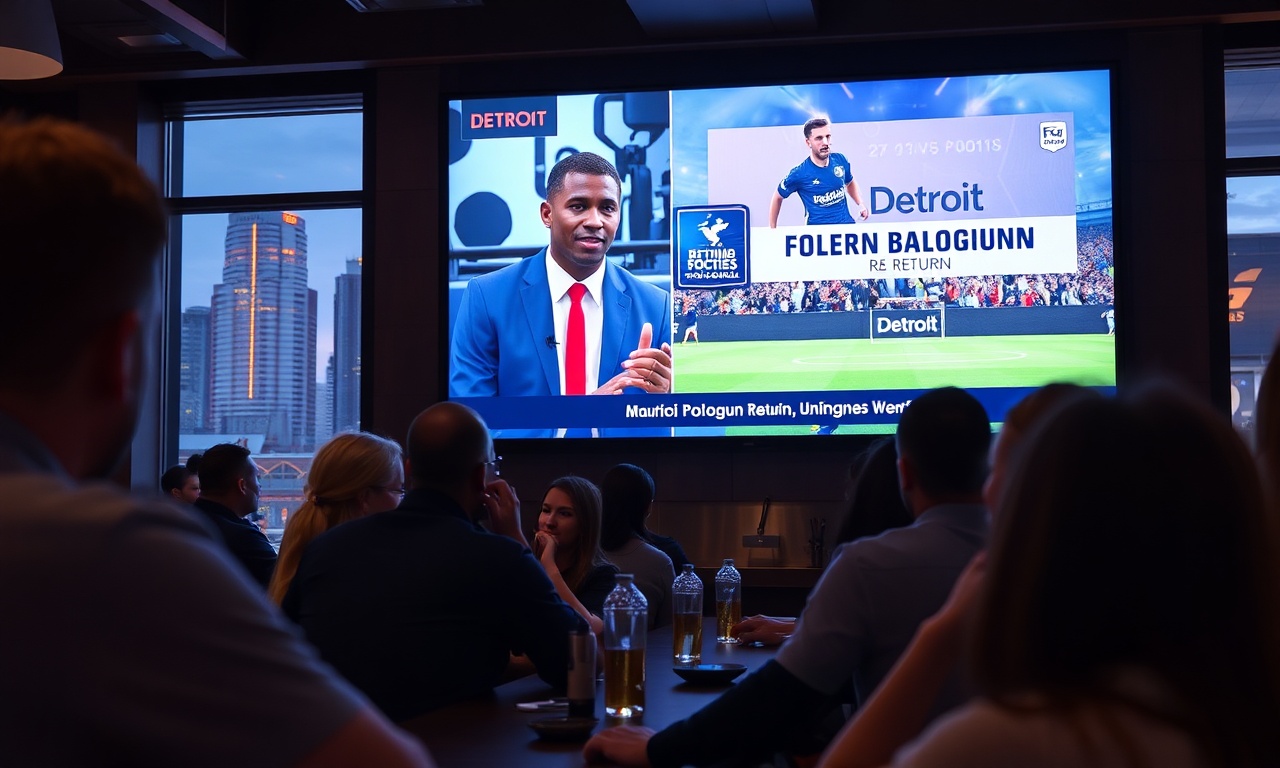
Detroit soccer fans are closely watching Mauricio Pochettino’s remarks about the latest status update for Folarin Balogun, with the USMNT striker’s return a storyline that’s quickly spread from international circles to MLS Detroit conversations. In comments carried by major outlets after Pochettino’s latest appearance, the coach framed the situation around criticism and controversy as something that should not distract from performance, while also signaling that Balogun’s role remains part of the team’s immediate planning.
The phrase “Not the bad guys,” attributed to Pochettino in the broader context of a tense football narrative, landed with particular impact in Detroit—where supporters are already tuned into the rhythm of U.S. men’s national team call-ups, transfer talk, and how those developments can shape the form and visibility of American players in top leagues.
What Mauricio Pochettino said about Balogun’s return
Mauricio Pochettino addressed the tone surrounding recent football debate while discussing the return path for Folarin Balogun, according to reporting that circulated following his appearance. While the specifics of any medical or disciplinary timeline depend on the club’s official communications, Pochettino’s message was clear: the conversation should not be reduced to blame, and the focus should remain on execution when players are available.
Detroit’s soccer community has learned to read these moments carefully. For fans following the USMNT striker, comments from coaches often foreshadow whether a player’s return is intended to be gradual—minutes managed, roles clarified—or whether the team expects him to contribute immediately.
Pochettino suspension return adds another layer to Detroit soccer news
Just as the Folarin Balogun return became a focal point, Detroit supporters also noted separate reporting around a Pochettino suspension return. When coaching staff face eligibility issues—whether due to league discipline, touchline sanctions, or other regulations—the impact can be felt quickly in matchday preparation and substitutions. For teams, a suspension return can also shift how the bench communicates tactical decisions and how quickly new or recovering players are integrated.
In Detroit, where soccer attendance has grown in recent years across MLS Detroit watch parties and local supporter groups, these details matter. They can influence the immediate interpretation of a lineup and, by extension, the likelihood that a USMNT update might translate into visible on-field moments that fans can track in real time.
Why the USMNT striker’s timeline matters to Detroit fans
Folarin Balogun’s status is not just a storyline for international followers. As the USMNT striker continues to be a barometer for forward depth and finishing options for U.S. selections, Detroit residents who follow national-team implications see each club announcement as a potential signal. When a player moves closer to match fitness, the chances increase for productive involvement in national-team windows—often when fans in Michigan are already planning travel, streaming schedules, and local viewing events.
Local soccer media and community organizers have increasingly highlighted the way American players’ minutes abroad can shape the U.S. program’s rhythm at key times. According to U.S. Soccer communications, roster and preparation decisions are tied to player availability, recent match exposure, and health—factors that typically align with what club coaches discuss publicly.
Impact on Detroit Residents
Detroit’s soccer ecosystem—supporter culture, youth programs, and matchday viewing—often pivots on star narratives from outside MLS Detroit. For residents, a potential Balogun return can boost engagement in several ways:
Watch parties and streaming demand: When a USMNT striker approaches a return, local groups often see higher turnout for televised matches and international fixtures that occur outside standard Detroit sports viewing hours.
Youth inspiration and development stories: Michigan’s soccer clubs frequently use national-team and professional pathways to motivate young players. A high-profile return tied to coaching comments can provide fresh talking points for training sessions and campus camps.
Economic ripple effects: While the football event itself is global, Detroit’s venues that host match screenings—sports bars and community halls—can see increased foot traffic around anticipated first appearances or substitute returns.
Detroit local business owners also note that sports programming can become a predictable driver of customer interest. The City of Detroit has previously emphasized the broader role of neighborhood activity in strengthening commercial corridors, and matchday crowds are one small example of that dynamic in action.
Background & Data: Connecting club minutes to national-team planning
Detroit fans tracking Mauricio Pochettino’s remarks about Folarin Balogun return are ultimately watching a familiar mechanism: club form and fitness often determine who is available for the USMNT. While clubs handle disciplinary or training specifics internally, U.S. Soccer’s public approach emphasizes preparation and match readiness.
In addition, global football reporting and analytics outlets frequently explain that forward roles are especially sensitive to timing—spacing, pressing triggers, and finishing rhythm develop in tandem with team chemistry. That’s why the distinction between “available soon,” “in training,” and “ready for matchday minutes” can be as consequential as the headline itself.
For Detroit residents following MLS Detroit, the translation can be indirect but real: American players returning from major leagues and national-team cycles can influence scouting attention, youth recruitment stories, and how fans evaluate domestic MLS development trajectories. Detroit’s soccer growth has been tied to more than one league—supporters increasingly connect the dots from U.S. national teams to international stages.
What happens next
Detroit’s best source of clarity on the Folarin Balogun return will be official club updates closer to matchday, including injury reports and training availability confirmations. Until then, Mauricio Pochettino’s comments provide tone and direction: he’s signaling that the narrative around blame should not eclipse focus on returns and performance.
For fans also monitoring a Pochettino suspension return, the next matches will be a practical test. If the coach is back on the touchline and team decision-making stabilizes, it can help indicate whether Balogun is nearing a more prominent role—or whether his involvement will be managed through substitutions and controlled minutes.
In Detroit, the takeaway is simple: keep an eye on matchday lineups, watch for training availability language, and treat early appearances—if they arrive—as part of a longer fitness and tactical process. For soccer residents, that’s how global storylines become local conversation: the sport travels, and the fan base in Michigan follows.