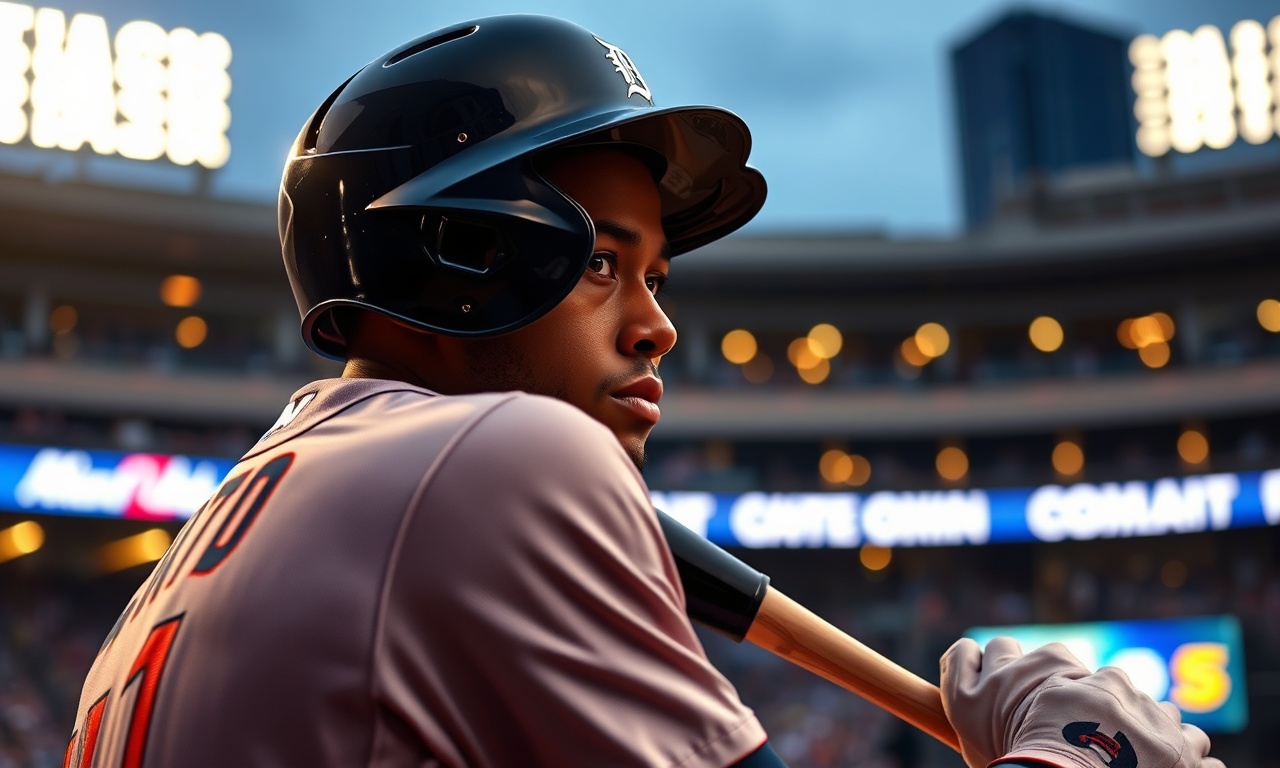
In a season defined by roles shifting on the fly, the Detroit Tigers are leaning into player evolution. That theme has surfaced in recent weeks through Montero, who has been talking openly about a mindset built around no limitations—a philosophy that matters not only for his own development, but also for how Detroit’s Tigers lineup and day-to-day strategy are taking shape.
After the Tigers made adjustments across the roster, the question in Detroit isn’t simply whether prospects can make an impact. It’s how they will be used: where they fit, what responsibilities they take on, and how quickly they can translate potential into consistent performance. Montero’s message, teammates and observers say, is that he’s ready to handle more than one kind of game.
Montero’s ‘no limitations’ approach meets a changing Tigers lineup
During recent interviews, Montero has framed his role with a clear goal: to accept the reality of Major League Baseball while refusing to pre-label what he can and can’t do. In practice, that means maintaining readiness regardless of where he starts in the batting order, what the pitching plan looks like from night to night, and how often his at-bats are shaped by the opposition’s matchups.
Managerial language around “versatility” and “sequencing” can sound abstract, but Detroit’s day-to-day decisions make it concrete. When a player buys into no limitations, coaches can trust him to prepare as if his opportunities could come in multiple forms—pinch-hitting, starting against specific left/right splits, or serving as a steady presence during lineup shifts.
That flexibility becomes especially relevant in a sport where scouting reports update daily and pitchers routinely alter their approach mid-game. A hitter’s development isn’t only about raw tools; it’s about response—how quickly someone can read a plan and adjust at the plate.
A pitching-weapon mindset with the Tigers, too
Detroit’s broader clubhouse discussions often revolve around creating dependable leverage: moments when the team needs to turn a close inning into separation. In that context, Montero’s comments land as something more than personal motivation. They align with how the Tigers have been trying to build a roster that can generate advantage, inning by inning, whether the path is through contact, extra-base power, or the ability to work deep into counts.
Major League baseball has also been increasingly data-driven, and Detroit’s front office has operated within that reality—balancing traditional scouting with performance indicators. According to a regular analysis published by Baseball-Reference, changes in offensive strategy over time have made it more important for players to contribute across multiple hitting profiles rather than relying on a single style. While those trends don’t map perfectly onto any one player, they help explain why Detroit would emphasize a “fit-for-the-moment” approach.
For fans, the distinction is meaningful: the Tigers are not just looking for Montero to have good days. They are aiming for player evolution that shows up consistently, especially in how he handles the game’s most detailed adjustments—pitch selection, timing, and the discipline to stay in the at-bat when the opponent tries to disrupt it.
Impact on Detroit Residents: why it matters beyond the ballpark
Baseball can feel like a local constant in Detroit, a sport woven into weekends, workplaces, and family routines. When the Tigers talk about lineup flexibility and player growth, that’s not only an athletic story—it’s a community one.
Detroit’s economic footprint for major league sports is widely discussed, and local experts point to the way team performance can influence attendance and regional spending. According to the U.S. Bureau of Labor Statistics, jobs tied to sports and recreation are part of the broader leisure sector, and activity levels can affect demand for event-related employment and services. While a single lineup change won’t move the macro numbers, it can influence the in-stadium experience and the rhythm of local business around games.
For Detroit residents, the most visible impact is the game-day atmosphere. When Montero’s role expands—whether through different batting order spots or higher-leverage moments—it increases the chances of early momentum, and that tends to affect how fans engage with the team throughout the season. Detroit sports culture is built on belief and daily conversation, and player evolution is a key driver of that narrative.
There’s also a practical reason Detroit fans pay attention to the Tigers’ internal development. For a city where generations track careers and milestones, seeing younger players embrace new responsibilities reinforces the idea that growth is possible here—on the field and in the community.
Background & Data: building in MLB’s adjustment era
Major League Baseball has entered a phase where adjustments can be as important as talent. Pitchers experiment with pitch shapes and sequencing; hitters face constant variability in how they’re attacked. Montero’s “no limitations” framing fits that reality because it prepares him for a world where a player’s role is not static.
From Detroit’s perspective, the Tigers lineup is an ecosystem. In recent years, as the sport has leaned more heavily on analytics and bullpen management, teams have tried to create lineups that can sustain pressure even when conditions change—starter vs. reliever matchups, defensive shifts, and late-inning strategy.
Data from the Federal Reserve Economic Data (FRED) and other macro resources often get cited in broader sports-economics discussions, but the on-the-ground truth in Detroit is simpler: fans notice when a lineup is coherent. When players like Montero believe they can handle multiple looks, it makes it easier for coaches to design plan A, plan B, and plan C without forcing drastic lineup gymnastics.
Montero’s focus on readiness also reflects a wider trend in player development. According to MLB coaching frameworks and player development commentary commonly reported by major outlets like MLB.com, the best prospects learn how to practice for variability—different pitching styles, different roles, and different game contexts. Montero’s public embrace of no limitations signals that the Tigers see his mindset as part of the skill set.
What happens next for the Tigers and Montero
Montero’s next steps will be measured the way MLB measures everything: performance over time, the ability to make adjustments, and staying effective as scouting and game plans evolve. If Detroit continues to expand his comfort zone, the Tigers could benefit from a player who doesn’t just take opportunities—he anticipates them.
In the coming weeks, expect the Tigers coaching staff to keep testing lineup combinations. If Montero handles those opportunities with the confidence he’s described—maintaining discipline at the plate, staying competitive deep in counts, and adapting when opponents change their approach—Detroit may solidify a role that’s bigger than a single spot in the order.
For fans watching from Detroit neighborhoods and suburbs alike, the message is clear: the Tigers lineup is still under construction, and Montero’s growth is one of the key stories to monitor. In a sport where momentum can pivot quickly, “no limitations” could become more than a quote—it could become a measurable identity for a young player and a team building its next phase.