A tornado touched down near Detroit Lakes during a period of severe weather that swept across parts of northwestern Minnesota, prompting warnings from the National Weather Service and raising concerns about potential damage to homes, businesses, and outdoor structures.
Although the storm system was centered near the Lake Region community, Detroit-area residents were among those monitoring alerts as meteorologists tracked the same larger weather pattern influencing multiple parts of Minnesota, including areas reachable by road for weekend travel or seasonal work. The National Weather Service urged people in affected areas to take shelter immediately when warnings were issued.
What the NWS reported as the storm developed
According to the National Weather Service, a tornado was confirmed near Detroit Lakes after the storm produced conditions capable of producing rotating thunderstorms. The agency issued a tornado warning for the region, advising residents to move to a basement or an interior room on the lowest floor away from windows.
The NWS warning process is designed to quickly translate real-time radar and storm reports into clear instructions, a point emphasized by meteorologists during prior Minnesota severe-weather events. In this case, the warning was intended to reduce exposure time as the storm moved through.
Detroit Lakes severe weather: reports of damage and disruptions
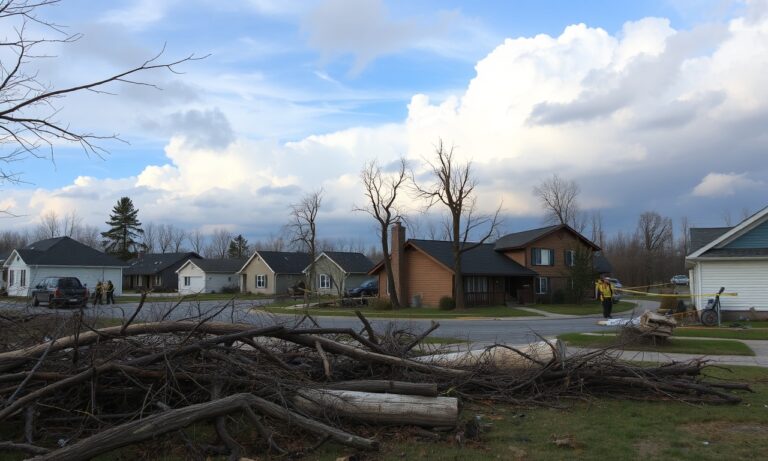
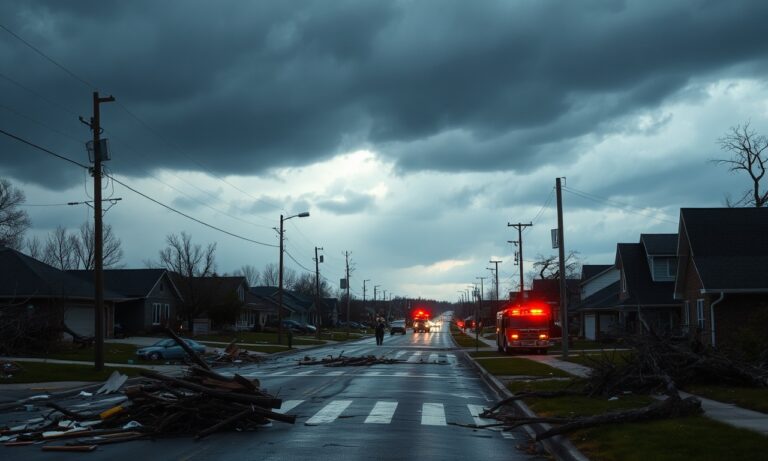
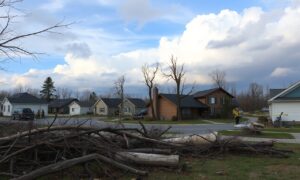
Local authorities in the Detroit Lakes area have been assessing damage following the confirmed tornado touchdown, including potential impacts to structures and power lines. In communities across Minnesota, the first hours after a tornado are often marked by downed trees, disrupted utilities, and blocked roads—conditions that can complicate emergency response and slow commercial activity.
According to a statement from local emergency management officials in the Lake Region, response crews focused on public safety priorities such as clearing debris from roadways, checking for hazards, and coordinating with utility providers. Residents were also advised to avoid damaged buildings and to treat downed lines as energized unless confirmed otherwise by trained crews.
For nearby travelers and seasonal residents, those disruptions can extend beyond the immediate damage area. Even when the tornado’s path is narrow, severe thunderstorms can affect broader regions through straight-line winds, hail, and lightning—factors that can lead to a wider set of claims for property damage and vehicle repairs.
Impact on Detroit Residents: why a Lake Region tornado matters locally
While the touchdown was near Detroit Lakes rather than in the Detroit metro area, Detroit residents still have practical reasons to pay attention to Minnesota tornado alerts. Many households maintain family and vacation ties in the Upper Midwest, and travel between regions can be impacted by weather-related changes to road conditions, flight schedules, and gas stations’ operating hours during major storm responses.
Additionally, Detroit’s housing and auto sectors—both tied to broader insurance markets and supply chains—can indirectly feel the effects of large weather events. When tornadoes and severe storms occur across multiple Midwest states, insurers and adjusters may see increased demand for repair services and building materials, which can affect timelines and costs for consumers. Even if the damage is geographically distant, the labor and parts pressures can be felt nationwide.
Finally, the Detroit community often tracks national weather patterns because the same large-scale atmospheric setup that fuels Minnesota severe weather can influence storm risks elsewhere. Public guidance from the NWS—especially the advice to act immediately when warned—remains consistent across regions.
Background & data: understanding tornado risk around the region
Tornadoes form when warm, moist air near the surface meets cooler air aloft and wind shear helps thunderstorms rotate. In the Upper Midwest, severe weather seasons can produce outbreaks where a single weather system generates multiple hazards, including hail and damaging winds.
According to data from the National Oceanic and Atmospheric Administration (NOAA), the Upper Midwest historically experiences a significant share of the nation’s tornado activity, with individual events varying widely in intensity and path. NOAA’s general climate information underscores how important it is to rely on timely warnings rather than assumptions based on prior storms.
In practical terms for Minnesota residents—and for people across the Great Lakes who follow alerts—this means that even if a tornado appears brief or localized, the surrounding storm may still bring dangerous winds, falling branches, and hazardous flooding. Weather officials typically emphasize that tornado warnings are issued for immediate threat, not for potential risk.
What happens next for Detroit Lakes storm recovery
After a confirmed tornado, the immediate next steps usually include damage assessments, utility inspections, debris removal, and updates to road access. Officials commonly ask residents to document damage for insurance purposes once it is safe to do so, and to report hazards such as unstable structures, downed power lines, and gas leaks.
Residents also may see changes to public services as shelters or emergency response operations wind down. Utility companies frequently prioritize restoring power to critical facilities such as medical centers and water systems, followed by neighborhood restoration.
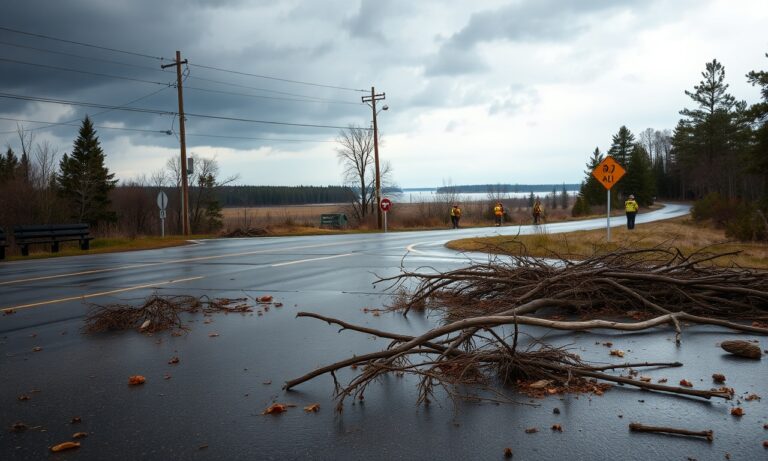
For those traveling through the region in the days after, local authorities often recommend checking road conditions before heading out—especially on rural routes where tree debris can be harder to spot from a distance.
How to stay weather-ready while alerts are active
In Minnesota, the National Weather Service continues to stress a simple rule: if a tornado warning is issued, take shelter immediately. The NWS also encourages people to have multiple ways to receive alerts—such as Wireless Emergency Alerts, NOAA Weather Radio, and reliable smartphone notifications.
For Detroit-area households that might be visiting relatives or spending time in Minnesota’s Lake Region, the guidance is similar: know where shelter options are located, plan for fast movement indoors, and avoid relying on “wait and see” when warnings are active.
As officials continue to assess the storm’s impact near Detroit Lakes, updates from the National Weather Service and local emergency management will help clarify whether additional warnings are expected, as well as the extent of damage and the timelines for recovery.