






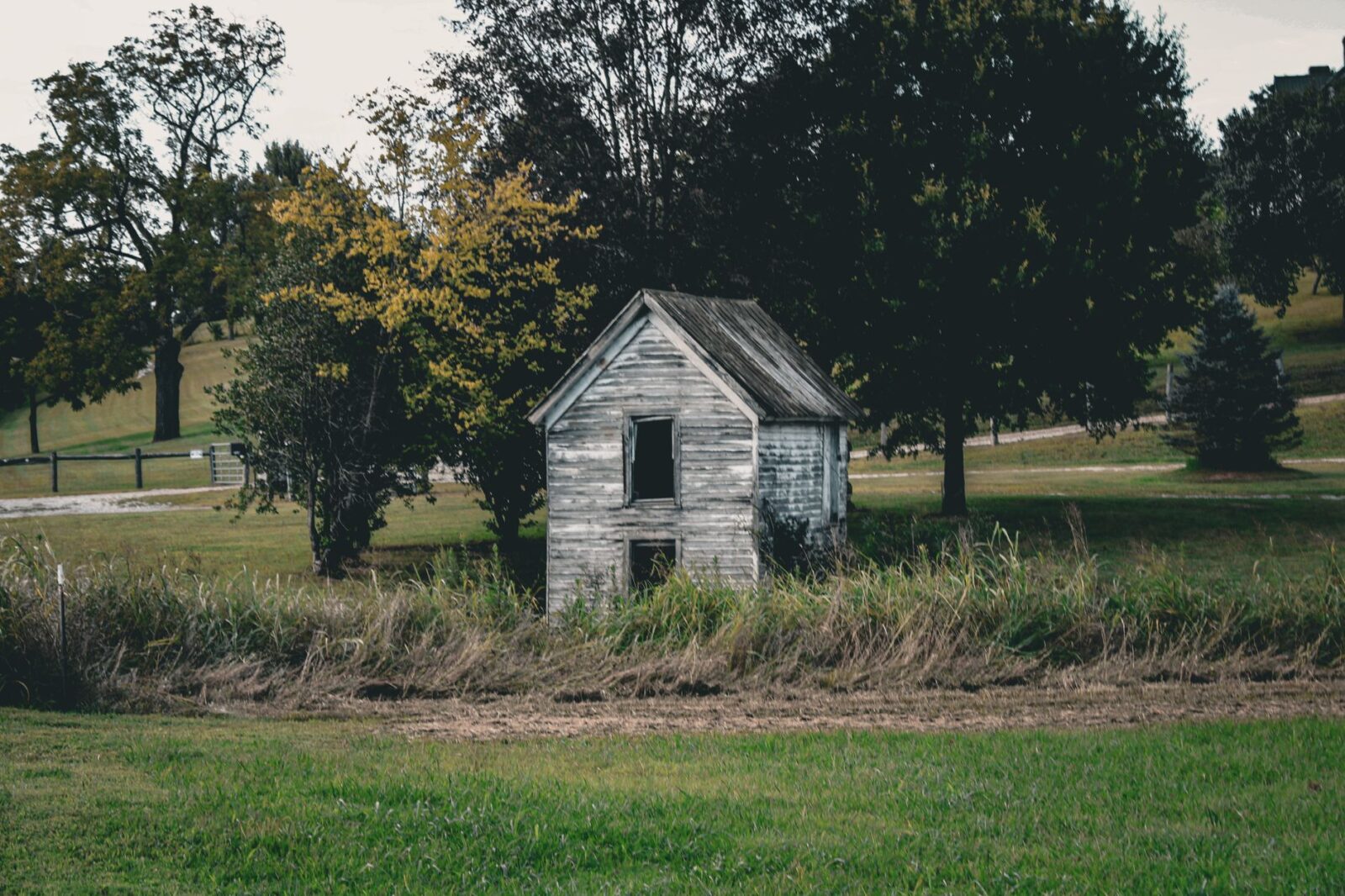
Detroit vacant housing has fallen sharply from its 2014 peak, but the city still has the highest level of vacancy among the nation’s largest cities, according to a Detroit Future City analysis discussed by Michigan Public. The report, covered in a Nov. 23 interview with research director Edward Lynch, traces a decline of nearly 40% since 2014.
The American Community Survey counted about 114,000 vacant units in 2014. By 2025, the count was about 70,000, a snapshot representing roughly 44,000 units that are now occupied, renovated or demolished. The Detroit vacant housing decline reflects both blight removal and slow population growth, Lynch said.
Detroit Vacant Housing Still Tops Large U.S. Cities
Even after the decline, Detroit had the highest vacancy level among the 50 most populous U.S. cities, Lynch told Michigan Public. He distinguished units outside the housing market from those actively for sale or rent, which he said are in line with national figures.
Renovation Pipeline Counts About 9,000 Units
The 2021 expansion of American Community Survey categories gives a more detailed picture. About 9,000 units were being renovated and 2,900 were being prepared for sale or rent, according to the interview. The Detroit vacant housing pipeline describes work in progress, not completed occupancy. The emphasis on returning units to use connects to broader interest in neighborhood-scale housing redesign, including the Life Remodeled plan.
Demolition and Population Growth Explain Part of the Drop
Lynch attributed the decline to blight removal and demolition over roughly 15 years, along with slow population growth. Michigan Public reported that Detroit has added several thousand residents annually over the past three years. The report does not establish a causal share for each factor.
For readers tracking Detroit vacant housing, the key distinction is between units outside the market and those already in the renovation pipeline. This account relies on Michigan Public’s interview and the Detroit Future City figures it described; no second source was available to cross-check the numbers.