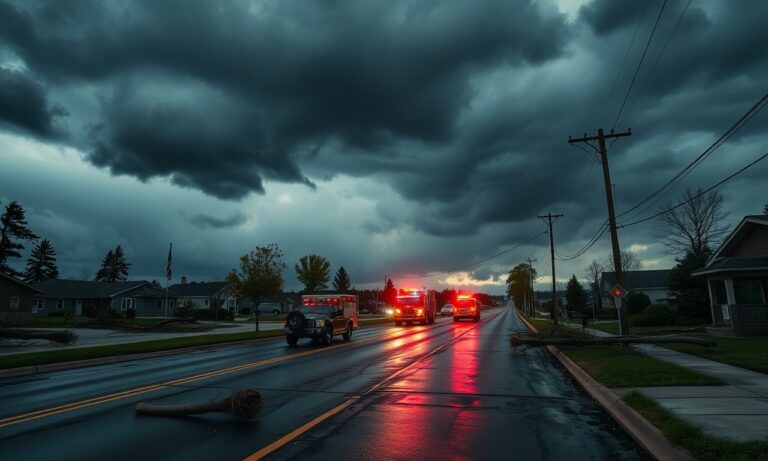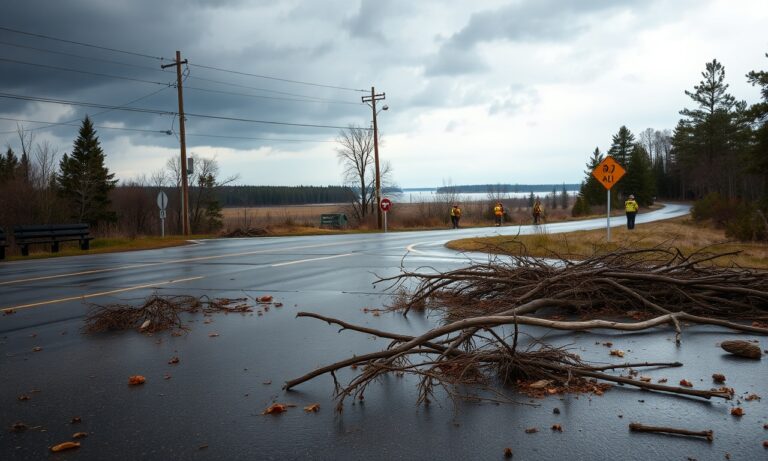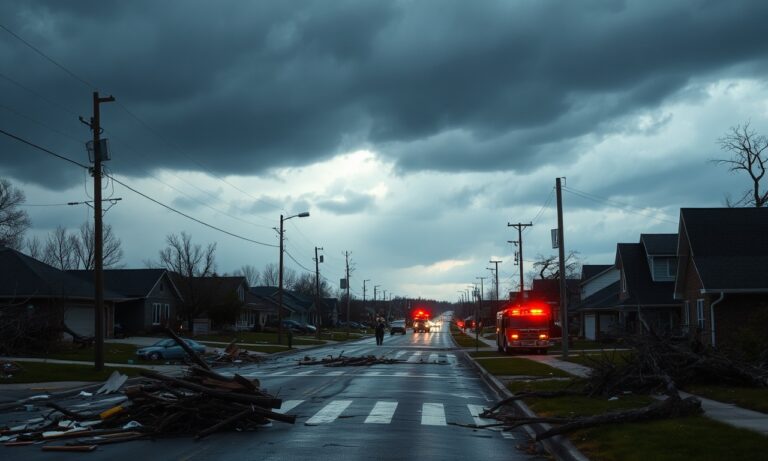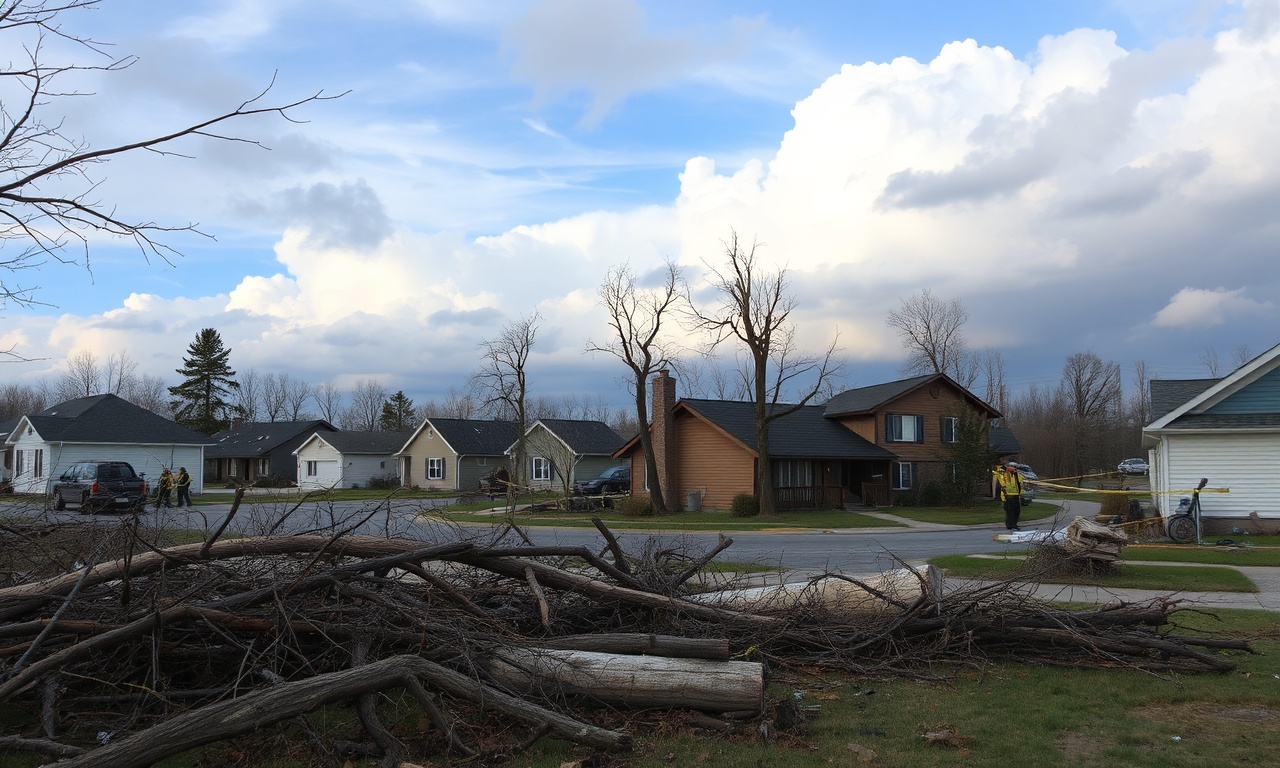
A suspected tornado touched down north of Detroit Lakes, Minn., injuring two people and damaging homes and other structures, according to initial reports from local emergency agencies. The storm prompted warnings across the region and led crews to assess damage in and around the Floyd Lake area.
While officials cautioned that the tornado remains under review, the impacts were visible quickly: residential structures sustained damage, debris was reported in several areas, and residents in the affected path described sudden, severe weather that arrived with little time to prepare. The incident is the latest reminder for communities across northern Minnesota and the broader Upper Midwest, where spring storm systems can rapidly intensify.
Suspected tornado reported near the Floyd Lake area
Multiple agencies responded after reports of a tornado or strong rotation near the Floyd Lake area, located north of Detroit Lakes. The Minnesota Department of Public Safety’s Division of Homeland Security and Emergency Management (HSEM) said local officials coordinate first response and damage assessments, while meteorologists and state partners evaluate storm surveys to determine the most accurate characterization of the event.
According to the City of Detroit Lakes and Becker County emergency communications, crews from local fire departments and law enforcement units assisted injured residents and helped restrict access to damaged properties. “Our priority is to ensure the safety of residents and responders,” a city spokesperson said in a statement reported by local officials. The city also encouraged residents to follow official alerts and to avoid downed lines and unstable debris.
Authorities said two people were taken to medical care for tornado-related injuries. While the severity of injuries was not fully detailed in the initial releases, officials indicated conditions were being monitored and that further information would be released as assessments continued.
Impact on Detroit Residents
Detroit Lakes is not Detroit, but the event still lands in the news cycle for Detroit-area audiences because Detroit residents frequently follow Upper Midwest weather coverage—especially for travel, family connections, and seasonal plans. More practically, Detroit’s regional water and insurance industries can be indirectly affected when major weather events change the flow of claims and reinsurance risk nationwide.
For people in the Detroit Lakes area, the immediate impacts were concentrated around household damage and disruption to daily routines. Homes can require structural checks for roof and exterior damage, and residents often face delays for utilities such as power restoration, water access, and communications as crews prioritize the most hazardous conditions.
North of Detroit Lakes, damage can also complicate road access. Emergency vehicles may need detours, and residents may experience temporary closures while crews clear debris and confirm whether trees or power lines pose ongoing hazards. In many tornado events, community members also rely on mutual aid—neighboring departments and neighboring counties contribute equipment and personnel during the first 24 to 72 hours.
Insurance representatives typically remind affected residents to document damage and keep records of repairs, but local officials often advise residents to wait for safety inspections before salvaging materials. Federal and state assistance guidelines, when applicable, depend on the findings of damage assessments and official storm confirmation.
Background & data on suspected tornadoes in Minnesota
Officials emphasized that the tornado is suspected while post-storm verification is underway. Tornado classification can change after additional evidence is gathered—such as debris patterns, damage widths and lengths, and storm-track analysis from weather experts.
The National Weather Service (NWS) monitors severe weather across Minnesota and coordinates warning and watch systems with local partners. According to the NWS, tornado warnings are issued when radar and eyewitness reports suggest a tornado may be forming or already on the ground. However, confirming a tornado’s occurrence and intensity often requires follow-up surveys after the storm passes.
For residents near Detroit Lakes and other communities across northern Minnesota, the key takeaway is the importance of acting on warnings even if a tornado is not confirmed in real time. Rapidly rotating storms can create short-lived but dangerous conditions, including sudden debris impacts and localized flooding from heavy rain bands that accompany some severe systems.
While Detroit-area readers may not experience the storm firsthand, the broader lesson is national: tornado risk is seasonal and can be severe, and preparedness steps—having a safe shelter plan, staying weather-alerted, and knowing how to receive wireless emergency alerts—can reduce harm during fast-moving events.
Why “suspected” matters
“Suspected tornado Minnesota” scenarios occur when evidence suggests tornadic rotation but confirmation depends on additional investigation. Investigators typically use a combination of meteorological data, eyewitness accounts, and on-the-ground surveys. That process can take time, especially when damage is spread across multiple locations or when weather, daylight, or access limitations affect how quickly crews can conduct field checks.
What happens next for affected homes
After a suspected tornado, local governments and emergency management teams focus on safety assessments, debris clearance coordination, and damage documentation. In the Detroit Lakes region, officials are expected to continue evaluating the extent of structural impacts and to identify any urgent public safety needs—such as compromised foundations, unstable roofs, or broken utility infrastructure.
Residents can expect additional guidance from local authorities about temporary housing resources, cleanup timelines, and how to report damage for insurance and potential aid. County emergency management agencies may also coordinate with state partners if they determine that broader assistance programs could apply.
For travelers and residents north of Detroit Lakes, road conditions can remain unpredictable until crews complete clearing and repair work. Authorities commonly advise drivers to avoid damaged areas and to follow posted detour signs, particularly near downed lines, weakened structures, and debris fields.
Local and state coordination
The response to Detroit Lakes severe weather involves a chain of coordination among local fire departments, law enforcement, emergency communications, and state emergency management resources. According to Minnesota HSEM, the state supports local operations during major incidents by coordinating information, facilitating resources, and helping manage statewide situational awareness.
That coordination becomes critical in tornado aftermaths because of simultaneous needs: medical response for injuries, hazard mitigation, and documentation for storm assessment. It also affects how quickly officials can provide accurate updates to the public and neighboring communities.
Looking at the bigger picture for Detroit-area audiences
Even for readers in Detroit, storms in Minnesota can intersect with everyday planning. Many families have relatives in northern states; others travel for fishing, lake vacations, or spring events. Weather disruptions can affect flight schedules, road trips, and seasonal rental planning.
As the investigation continues, Detroit-area residents following national weather coverage should watch for updates from the National Weather Service and Minnesota emergency management partners regarding whether the event meets criteria for a confirmed tornado and, if so, its estimated strength and track.
In the meantime, the Detroit Lakes community’s focus remains on recovery and safety—helping injured residents, supporting neighbors with damaged properties, and rebuilding with guidance from inspectors and emergency managers.