By Sarah Jenkins
Published: October 24, 2023
Location: Detroit, Michigan
Detroit’s New Era: How Mobility Innovation is Reshaping the Motor City
Detroit, long known globally as the Motor City, is currently undergoing one of its most significant industrial transformations in a century. As the automotive industry pivots toward electrification and autonomous driving, Detroit mobility innovation is rapidly becoming the driving force behind the city’s economic revitalization.
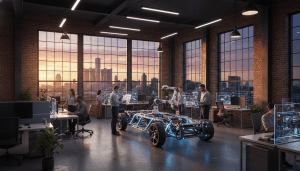
The landscape of automotive production is shifting from purely mechanical engineering to a blend of software development, artificial intelligence, and sustainable energy solutions. This transition is not just happening in boardrooms; it is physically reshaping neighborhoods like Corktown and reshaping the local job market.
The Hub of High-Tech Auto Development
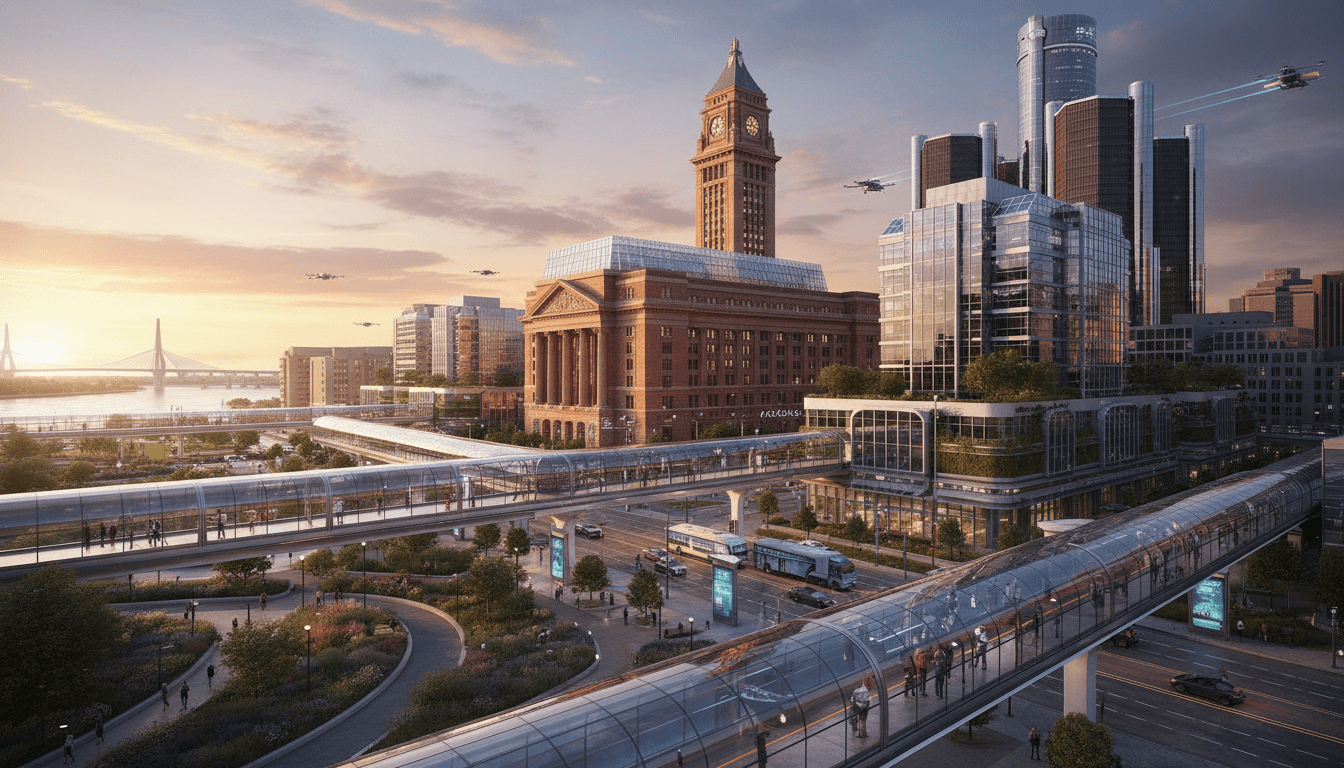
At the center of this transformation is the newly restored Michigan Central Station. Once a symbol of the city’s decline, the massive structure has been reimagined by Ford Motor Company as a roughly 30-acre innovation district. According to officials from Michigan Central, the district is designed to bring together startups, established tech giants, and community leaders to solve real-world transportation challenges.
“We are no longer just building cars; we are building the future of movement,” stated a representative from the Michigan Economic Development Corporation (MEDC) during a recent press briefing. The focus has broadened to include aerial mobility, drone technology, and smart city infrastructure that communicates directly with vehicles.
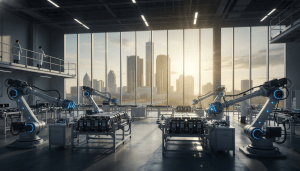
Major investments are fueling this shift. General Motors continues to ramp up its Factory ZERO plant, dedicated entirely to electric vehicle production, while smaller startups focused on battery technology and sensor development are setting up shop in the city proper, drawn by the density of engineering talent.
Impact on Detroit Residents
For locals, the rise of Detroit mobility innovation offers both opportunities and challenges. The immediate impact is visible in the job market. There is a surging demand for workers skilled in robotics, coding, and electrical engineering. To address this, several local organizations are partnering with tech companies to offer workforce training programs.
According to the City of Detroit’s workforce development initiatives, new training centers are prioritizing Detroit residents for these emerging roles. This ensures that the economic benefits of the tech boom stay within the community rather than strictly benefiting out-of-state commuters.
Furthermore, residents are beginning to see changes on the streets. Smart traffic signals that prioritize emergency vehicles and public transit are being tested in select corridors, promising to reduce congestion and improve safety for pedestrians and drivers alike.
For more on how these changes affect local employment, read our report on Detroit job market trends.
Background & Data
The push for technological supremacy in the auto sector is backed by significant data and funding. Data from the Michigan Economic Development Corporation indicates that the state has attracted over $14 billion in electric vehicle and battery manufacturing investments since 2019. Detroit remains the epicenter of this capital influx.
Historically, Detroit relied heavily on the internal combustion engine. Today, the shift is undeniable. A recent report by the Detroit Regional Chamber highlighted that mobility-focused startups in the region have grown by over 20% in the last five years, outpacing growth in traditional manufacturing sectors.
You can see how this investment is changing the physical landscape in our coverage of Corktown’s real estate boom.
What Happens Next
The trajectory for Detroit mobility innovation points toward a more connected city. Future projects include the expansion of the inductive charging road systems—where electric vehicles can charge while driving—and further integration of autonomous shuttles for public transit.
As automakers race to meet federal targets for zero-emission vehicles, Detroit is positioning itself not just as a place where cars are made, but where the technology that powers them is invented. The success of these initiatives will determine whether the city can reclaim its title as the global capital of transportation in the 21st century.