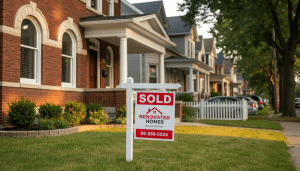
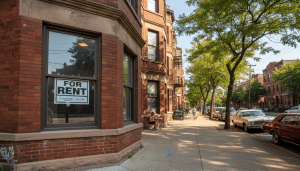
The landscape for apartments for rent in Detroit is undergoing a significant transformation as 2024 progresses. After years of rapid price increases driven by scarce inventory and a surge in downtown revitalization, recent data suggests a stabilizing market offering new opportunities—and challenges—for prospective tenants. From the riverfront to the historic neighborhoods, the dynamics of renting in the Motor City are changing.
For years, the narrative surrounding Detroit real estate focused heavily on the comeback of Downtown and Midtown. While those areas remain hotbeds for luxury development, a broader look at the city reveals a complex picture of rising inventory, fluctuating rental rates, and an ongoing conversation regarding housing affordability.
Current Trends in the Detroit Rental Market
According to recent market reports, the surge in new construction projects over the last three years is finally beginning to alleviate some of the pressure on the rental supply. Developers have brought thousands of new units online, ranging from high-end high-rises to renovated historic lofts.
Data from rental aggregation platforms indicates that while the median price for apartments for rent in Detroit remains higher than pre-pandemic levels, the rate of growth has slowed significantly compared to the national average. This cooling effect is largely attributed to the influx of new units entering the market, giving renters more leverage than they have had in recent years.
“We are seeing a normalization,” explains local real estate analyst Sarah Jenkins. “Two years ago, units in Corktown or Brush Park would receive multiple applications within hours. Now, tenants have slightly more breathing room to compare amenities and prices, although competition remains fierce for affordable units.”
For more on local economic shifts, see our coverage on the changing landscape of the Detroit economy.
Neighborhood Specifics: Where to Look
The search for apartments varies drastically depending on the zip code. The rental market is essentially operating at two different speeds: the rapid-growth corridors and the stabilizing residential neighborhoods.
Downtown and Midtown
In the city’s core, luxury remains the standard. New developments near the Little Caesars Arena and the Hudson’s site are driving prices that rival competitive mid-sized cities. However, landlords in these areas are increasingly offering concessions, such as a month of free rent or waived parking fees, to attract tenants to these premium apartments for rent in Detroit.
The Neighborhoods
Outside the 7.2-square-mile greater downtown area, neighborhoods like Bagley, University District, and West Village are seeing increased interest. Renters priced out of the core are finding more square footage and community-focused living in these historic districts.
Reports from the City of Detroit Housing and Revitalization Department highlight efforts to rehabilitate smaller multi-family buildings in these areas. These projects aim to preserve the architectural character of the city while providing updated, safe housing options for long-term residents.
Impact on Detroit Residents and Affordability
While the increase in inventory is good news for middle-to-high income earners, the affordability gap remains a critical issue for many long-time Detroiters. The definition of “affordable” is often pegged to the Area Median Income (AMI), which includes affluent suburbs, sometimes skewing the data for inner-city residents.
Housing advocates argue that the influx of market-rate apartments for rent in Detroit must be balanced with strict requirements for affordable units. Under current city ordinances, developers receiving tax incentives are often required to set aside 20% of units for residents earning 80% of the AMI. However, many activists argue that the threshold should be lower to truly serve the existing population.
“The rent is stabilizing, but it is stabilizing at a number that is still a stretch for many local families,” says Marcus Thorne, a community organizer with the Detroit Tenant Alliance. “We need to ensure that the revitalization of our housing stock doesn’t displace the people who stuck with this city through the hard times.”
To understand how infrastructure changes affect living costs, read our report on Detroit transportation and infrastructure updates.
Background & Data: By the Numbers
Recent census data and industry reports paint a clear picture of the demographic shift:
- Vacancy Rates: The vacancy rate in Class A (luxury) buildings has ticked up slightly to around 6%, indicating supply is catching up to demand.
- Median Rent: The median rent for a one-bedroom apartment in Detroit hovers around $1,100 to $1,300 depending on the data source, still significantly lower than Chicago or coastal cities, but a sharp rise from a decade ago.
- New Units: The city is on track to see over 2,500 new units completed by the end of the fiscal year, a pace not seen since the mid-20th century.
What Happens Next?
Looking ahead, the market for apartments for rent in Detroit is expected to remain active but stable. The aggressive development pipeline suggests that rent prices for luxury units may plateau, forcing landlords to compete on amenities and service.
Furthermore, the city’s “Land Value Tax” proposal, if fully implemented and realized, could discourage land speculation and encourage the development of empty lots into productive residential housing. This could potentially lower the cost of entry for smaller developers and increase the supply of “missing middle” housing—duplexes and fourplexes that offer affordable rents without government subsidies.
For now, prospective tenants are advised to watch the market closely. The era of blind bidding on rentals may be fading, replaced by a market where negotiation is possible, provided one knows where to look.